
Tolerance, Dependence, and Addiction: Three Drug Concepts That Are Often Confused

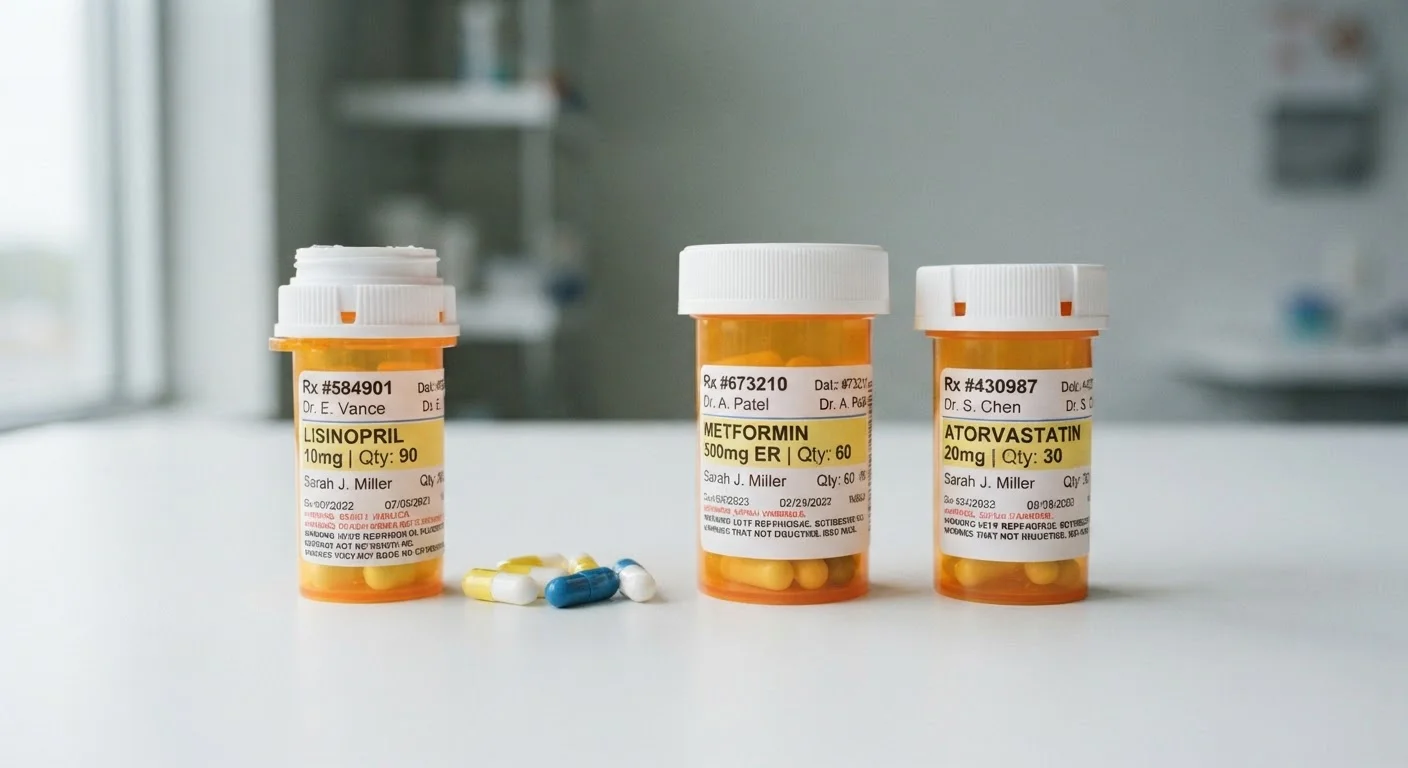
Photo: HerbHealWellness.com | Modern Guide To Wellness editorial
Why the Confusion Exists
The words tolerance, dependence, and addiction appear together so often — in news coverage, medication warnings, and everyday conversation — that many people treat them as synonyms. They are not. Each describes a different biological or behavioural process, and mixing them up has real consequences: it can cause unnecessary fear of legitimate medications, contribute to stigma around addiction, or lead someone to miss warning signs that deserve professional attention.
This article explains what each term actually means, how they relate to one another, and why the distinctions matter for anyone taking a prescription drug or caring for someone who does. For a broader foundation in how drugs behave in the body, see our beginner's guide to pharmacokinetics.
| Are tolerance and dependence the same? | No — tolerance is about reduced drug effect; dependence is about withdrawal risk. |
| Can dependence occur without addiction? | Yes — patients on long-term prescribed medications often become dependent without addictive behavior. (American Society of Addiction Medicine (ASAM)) |
| Primary feature of addiction | Compulsive use despite harmful consequences, not just physical need. |
| Common drug classes causing tolerance | Opioids, benzodiazepines, stimulants, nitrates, and some antihypertensives. |
| Is addiction purely a moral failing? | No — recognized as a chronic brain disorder by major medical organizations. (National Institute on Drug Abuse (NIDA)) |
| Can withdrawal be medically managed? | Yes — supervised tapering or medication-assisted treatment can reduce withdrawal risks. |
Tolerance: When More Is Needed for the Same Effect
Tolerance is a physiological phenomenon — meaning it happens in the body's cells and tissues, not as a conscious choice. When you take certain drugs repeatedly, the body adapts by reducing its sensitivity to the drug. Receptors may decrease in number (called down-regulation), or the cell may become less efficient at responding to the drug's signal.
The practical result: the original dose produces a weaker effect than it once did. A classic example is caffeine — regular coffee drinkers often notice they need more cups to feel the same alertness they got from one cup initially. The same process occurs, more clinically significantly, with opioids, benzodiazepines, and certain blood pressure medications.
Tolerance is not inherently dangerous, but it does complicate dosing and is one reason why medication adjustments should always be made with a healthcare provider. Understanding how individual biology shapes these responses is also important — our article on why the same dose affects people differently explores this in depth.
Tolerance
A physiological state in which the body gradually reduces its response to a drug after repeated exposure. A person with tolerance needs a higher dose to achieve the same effect they originally experienced at a lower dose.
Physical dependence
A state in which the body has adapted to the presence of a drug and produces withdrawal symptoms when the drug is reduced or stopped. Dependence can occur without addiction and is a predictable response to many medications.
Addiction
A chronic, relapsing brain disorder characterized by compulsive drug seeking and use despite harmful consequences. Addiction involves changes in brain circuitry related to reward, motivation, and impulse control.
Withdrawal
A set of physical and psychological symptoms that emerge when a drug on which the body has become dependent is abruptly reduced or discontinued. Symptoms vary widely depending on the drug class.
Cross-tolerance
A phenomenon in which tolerance developed to one drug reduces the response to a different drug in the same class. For example, tolerance to one opioid may carry over to another opioid.
Neuroadaptation
The brain's process of adjusting its structure or chemistry in response to chronic drug exposure. Neuroadaptation underlies both tolerance and dependence and does not by itself indicate addiction.
Dependence: A Body That Has Adapted
Physical dependence means the body has restructured its normal functioning around the presence of a drug. When the drug is removed quickly, the body's now-unbalanced chemistry produces withdrawal symptoms — which can range from mild discomfort to medically serious conditions depending on the drug and the duration of use.
Critically, dependence is a predictable biological outcome of taking many medications as prescribed. A patient who has taken a beta-blocker for heart disease for years is physically dependent on it — their cardiovascular system has adapted. Stopping abruptly could be dangerous. That is not addiction; it is physiology.
This distinction matters enormously for patients managing chronic pain, anxiety disorders, or epilepsy, who may require long-term medications. The presence of dependence does not mean a patient is misusing their medication.
These Terms Have Clinical Meaning
Addiction: Beyond the Body
Addiction — formally called substance use disorder in clinical settings — involves the brain's reward and motivation systems in a way that tolerance and dependence alone do not. People with addiction experience compulsive urges to use a substance, continue use despite clear harm to their health, relationships, or responsibilities, and often find it difficult to control or stop use even when they genuinely want to.
This is driven by lasting changes to brain circuits involved in reward, decision-making, and impulse control. It is recognized as a chronic medical condition, not a character flaw or lack of willpower, by organizations including the American Society of Addiction Medicine (ASAM) and the National Institute on Drug Abuse (NIDA).
~29M
Americans with a substance use disorder
According to the 2023 National Survey on Drug Use and Health published by SAMHSA.
Distinct
Biological processes behind each term
Tolerance, dependence, and addiction each involve different brain and body mechanisms, per NIDA definitions.
Someone can be physically dependent on a medication without any element of addiction. Conversely, addiction can exist with substances that produce relatively little physical dependence. Understanding this separation is essential — both for reducing stigma and for ensuring people get appropriate care.
For clarity on other commonly confused drug-related terms, our plain-English glossary of drug label language is a useful reference.
This article is for general informational and educational purposes only and does not constitute medical advice. If you have concerns about a medication you are taking, potential dependence, or substance use, please consult a qualified healthcare professional.
The content on this site is for informational purposes only and is not a substitute for professional advice. Always consult a qualified professional for guidance specific to your situation.