
Why the Same Medicine Can Cost Very Different Amounts

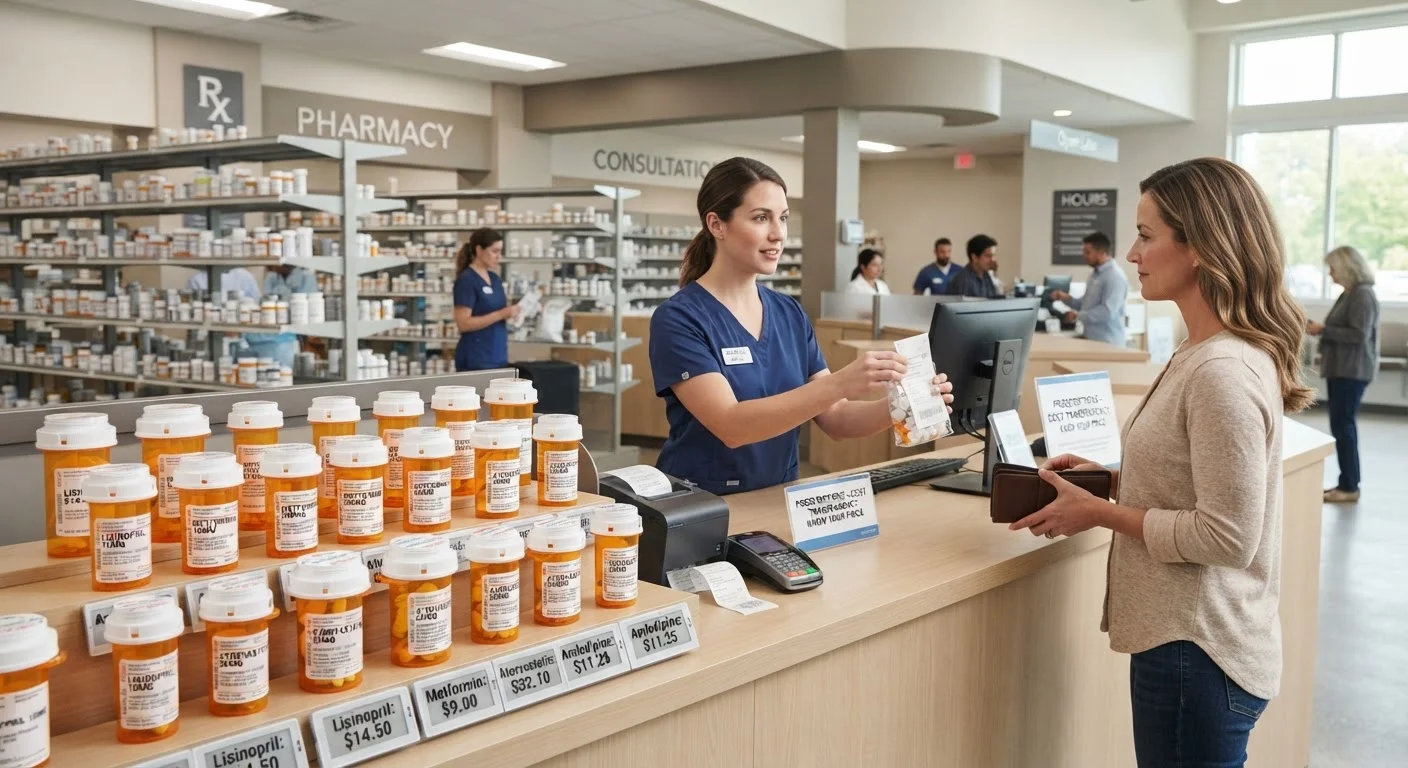
Photo: HerbHealWellness.com | Modern Guide To Wellness editorial
Key Takeaways
- Multiple parties — manufacturers, insurers, PBMs, and pharmacies — each influence the final price you pay.
- The same drug can legally carry very different prices at different pharmacies and under different insurance plans.
- Generic drugs typically cost far less than brand-name versions because manufacturers skip clinical trial costs.
- Insurance formularies, or drug tier lists, determine how much of a drug's cost your plan will cover.
- Legitimate assistance programs — including manufacturer coupons and patient assistance programs — can meaningfully reduce costs.
- Asking your pharmacist about pricing alternatives is always a reasonable first step before paying the listed price.
The Invisible Chain Behind Your Pharmacy Receipt
When you hand over your prescription at the pharmacy counter, the price printed on the bag isn't set by any single source. It emerges from a layered system involving at least four different players: the drug manufacturer, your insurance company, a pharmacy benefit manager (PBM), and the pharmacy itself.
Drug manufacturers set a list price — often called the wholesale acquisition cost — which can be very high, particularly for newer or specialty medications. PBMs then negotiate rebates with manufacturers on behalf of insurers. These rebates lower the cost for the insurance plan but don't always reduce what you pay at the counter. Insurers use formularies — tiered lists of covered drugs — to determine your copay or coinsurance. Finally, pharmacies apply their own pricing structure based on their purchasing agreements and overhead costs.
The result is that the same 30-day supply of a medication can cost $12 at one pharmacy and $180 at another, or $8 cash and $45 through your insurance plan.
80–85%
Typical cost savings with a generic drug
The FDA reports that generic drugs on average cost 80–85% less than their brand-name counterparts.
~90%
Prescriptions filled as generics in the US
According to the FDA, approximately 90% of prescriptions dispensed in the United States are filled with generic drugs.
3–4
Typical formulary tiers in most insurance plans
Most commercial insurance plans use three to five pricing tiers to determine patient cost-sharing for prescription drugs.
Brand-Name vs. Generic: The Biggest Price Driver
One of the clearest explanations for price differences is whether a drug is brand-name or generic. A brand-name drug is brought to market by the company that developed it, after years of clinical trials and regulatory review — costs that are ultimately priced into the product.
Once the patent protecting that drug expires, other manufacturers can produce chemically equivalent versions — called generics — without repeating the original research. The FDA requires generics to meet strict bioequivalence standards, meaning they deliver the same active ingredient in the same amount to the bloodstream. This is why generics are considered therapeutically equivalent to brand-name versions in most situations.
The savings can be dramatic. Generics often cost 80–85% less than their brand-name counterparts. For a deeper look at what bioequivalence guarantees — and where real differences can exist — see our guide to generic and brand-name bioequivalence.
Insurance Tiers, Formularies, and What They Mean for You
If you have prescription drug coverage, your plan's formulary determines how much cost-sharing you're responsible for. Most plans use a tiered system:
- Tier 1: Low-cost generics — usually the smallest copay
- Tier 2: Preferred brand-name drugs — moderate cost
- Tier 3: Non-preferred brands — higher cost
- Tier 4–5: Specialty drugs — very high cost-sharing, sometimes requiring prior authorization
If your prescribed drug falls into a higher tier, you may be able to ask your insurer for an exception — a formal process where your provider documents that a lower-tier alternative is not appropriate for your condition. Formularies can also change annually, so a drug that was affordable last year may cost more this year under the same plan.
Formularies Can Change Each Plan Year
Legitimate Ways to Reduce What You Pay
There are several well-established, legitimate avenues for reducing medication costs — no gray areas required.
Ask about generics. If a generic is available and clinically appropriate, this is often the most straightforward way to reduce cost. Your pharmacist or provider can confirm whether one exists for your medication. Our overview of generic drugs explains what the science says.
Compare pharmacy prices. Independent drug pricing platforms allow you to compare cash prices at pharmacies near you before filling a prescription. In some cases, a discount card price at a retail pharmacy beats your insurance copay.
Explore manufacturer programs. Many pharmaceutical companies offer patient assistance programs (PAPs) or copay cards for brand-name drugs. Eligibility criteria vary — typically based on income and insurance status — and these programs are accessed directly through the manufacturer or your provider's office.
Speak with your pharmacist. Pharmacists are often the most accessible member of your care team and are specifically trained to help with questions about cost, generics, and available assistance. Never hesitate to ask — it's a core part of their role.
Always Ask Before You Pay
This article is for general informational purposes only and does not constitute medical or financial advice. Always consult a qualified healthcare professional before making changes to your medications or treatment plan.
Frequently Asked Questions
The content on this site is for informational purposes only and is not a substitute for professional advice. Always consult a qualified professional for guidance specific to your situation.