
Generic vs. Brand-Name Drugs: Are They Really the Same Thing?

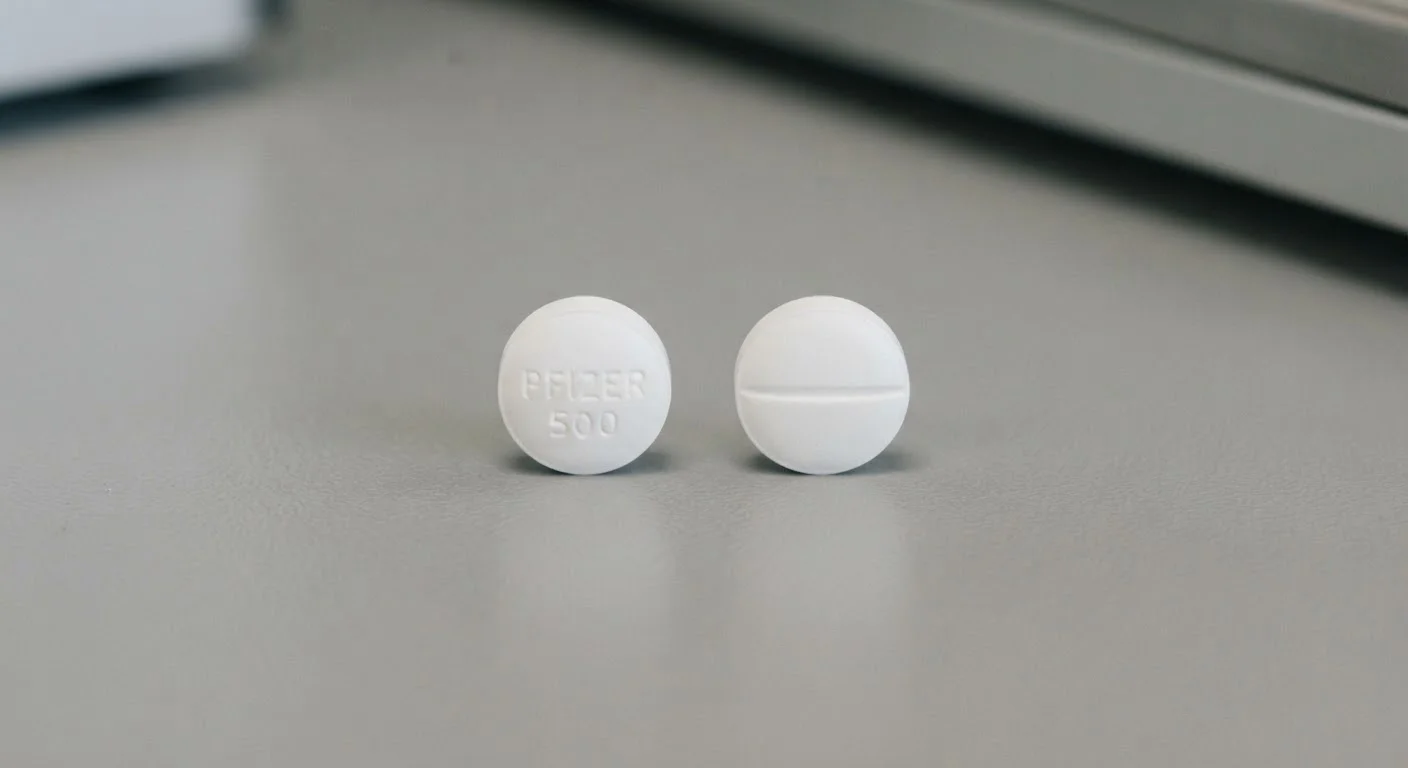
Photo: HerbHealWellness.com | Modern Guide To Wellness editorial
Key Takeaways
- Generic drugs contain the same active ingredient, strength, and dosage form as their brand-name counterparts.
- The FDA requires generics to be bioequivalent, meaning they deliver a similar amount of active drug into the bloodstream.
- Inactive ingredients (fillers, dyes, coatings) can differ and may matter for people with allergies or sensitivities.
- For most medications, generics are a clinically sound and significantly more affordable option.
- Narrow therapeutic index drugs — such as certain thyroid or seizure medications — may warrant extra monitoring when switching formulations.
- Always consult your pharmacist or prescriber before switching between a brand-name and generic drug.
What Makes a Drug 'Generic'?
When a pharmaceutical company develops a new drug, it holds a patent granting exclusive rights to manufacture and sell it — typically for around 20 years from the original filing date, though the effective market exclusivity varies. Once that patent expires, other manufacturers can apply to the FDA to produce a chemically equivalent version: the generic.
To gain FDA approval, a generic must contain the same active ingredient, at the same strength, in the same dosage form (tablet, capsule, liquid, etc.), and via the same route of administration as the original brand. It also must meet identical standards for purity, potency, and stability. What generic makers are not required to replicate are inactive ingredients — the fillers, binders, dyes, and coatings that hold the pill together and affect its appearance.
This distinction between active and inactive ingredients is where most of the genuine nuance in this debate lives. For a deeper look at how the FDA's bioequivalence standard works in practice, see our explainer on what bioequivalence actually guarantees.
The Science of Bioequivalence
Bioequivalence is the cornerstone of the FDA's generic drug approval process. A generic is considered bioequivalent to a brand-name drug if it delivers between 80% and 125% of the active ingredient into the bloodstream at a comparable rate — a range that may sound wide but is statistically designed so the average generic performs very close to 100% of the reference drug.
90%
Share of US prescriptions filled as generics
According to the FDA, generics account for approximately 90% of prescriptions dispensed in the United States.
80–125%
Bioequivalence range required by FDA
The FDA's bioequivalence standard requires generics to fall within this range of the brand drug's absorption profile in pharmacokinetic studies.
~20 years
Typical pharmaceutical patent term
US patents generally last 20 years from filing, though effective market exclusivity for brand drugs varies based on when the patent was filed relative to approval.
In practical terms, this means a bioequivalent generic should produce the same therapeutic effect for the vast majority of patients. However, bioequivalence is measured at a population level in clinical studies. Individual responses can vary — just as they can between two batches of the same brand. For more on why individual variation matters, see why the same dose affects people differently.
Where Real Differences Can Emerge
For most medications, the active-ingredient equivalence is all that matters clinically. But two specific situations are worth understanding:
- Narrow therapeutic index (NTI) drugs: These are medications where a small change in blood concentration can tip from ineffective to toxic. Warfarin (a blood thinner), levothyroxine (a thyroid hormone), and certain antiepileptic drugs fall into this category. Switching between formulations — even between two FDA-approved generics from different manufacturers — may warrant closer monitoring. This is a conversation to have with your prescriber, not a reason to avoid generics categorically.
- Inactive ingredients: While inert in most people, excipients like lactose, gluten-derived starches, artificial dyes, or certain preservatives can cause reactions in sensitive individuals. Your pharmacist can review the inactive ingredient list for any formulation and help you find a suitable option.
| Criterion | Brand-Name Drugs | Generic Drugs |
|---|---|---|
| Active ingredient | Original formulation | Identical by FDA requirement |
| Inactive ingredients | Proprietary excipients | May differ by manufacturer |
| FDA approval standard | Full clinical trials required | Bioequivalence studies required |
| Typical cost | Significantly higher | Often 80–85% lower |
| Appearance | Consistent, branded | Varies by manufacturer |
| NTI drug considerations | Consistent single source | Monitor if switching formulations |
It's also worth noting that different generic manufacturers can supply the same pharmacy at different times, meaning the generic pill you receive this month may look different from last month's — even though both are FDA-approved. This surprises many patients but is normal within the regulated system. If this concerns you, understanding the full picture of generic vs. brand differences is a useful next step.
Cost, Access, and Making the Right Choice
Generics are often dramatically less expensive than their brand-name equivalents. This cost difference reflects the lower development investment — generic makers don't fund the original research or clinical trials — not a difference in quality. For patients paying out of pocket, the savings can be substantial. To understand what drives those price gaps, see our explanation of why the same medicine can cost very different amounts.
A Note on Switching Formulations
The bottom line: for the overwhelming majority of medications and patients, generics are a clinically appropriate and economically sensible choice. The exceptions are real but narrow — and they're best navigated in conversation with a pharmacist or prescriber, not by defaulting to brand-name drugs across the board.
This article is for general informational purposes only and does not constitute medical advice. Always consult a qualified healthcare professional before making any changes to your medications or treatment plan.
The content on this site is for informational purposes only and is not a substitute for professional advice. Always consult a qualified professional for guidance specific to your situation.