
Blood Pressure, Cholesterol, and Blood Sugar: Decoding the Numbers Men Are Tested For

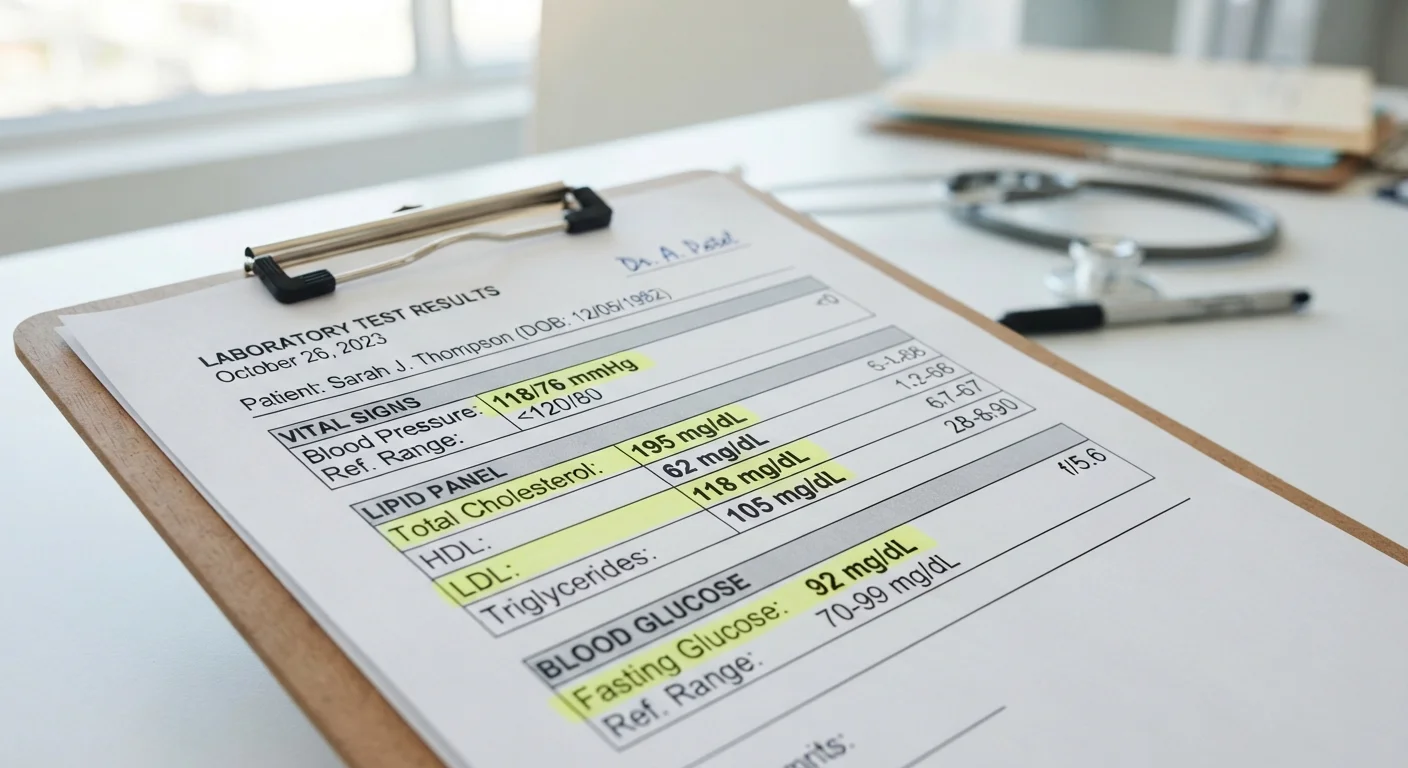
Photo: HerbHealWellness.com | Modern Guide To Wellness editorial
Why These Three Numbers Matter Most
When a doctor orders routine bloodwork or takes a quick reading during an annual visit, three measurements almost always come up: blood pressure, cholesterol, and blood sugar. Together, they form the backbone of preventive cardiovascular and metabolic screening for men. Each one is largely silent — most men feel no symptoms when any of these values drifts out of range — which is precisely why getting tested matters.
For a broader look at what routine screenings cover and when they're recommended, see men's preventive health screenings explained. This article focuses specifically on decoding the numbers themselves.
| Normal blood pressure | Below 120/80 mmHg (American Heart Association guidelines) |
| Optimal LDL cholesterol | Below 100 mg/dL (American College of Cardiology/AHA) |
| Normal fasting blood sugar | Below 100 mg/dL (American Diabetes Association) |
| Normal HbA1c | Below 5.7% (American Diabetes Association) |
| HDL risk threshold (men) | Below 40 mg/dL is a risk factor (National Cholesterol Education Program) |
| Hypertensive crisis threshold | Above 180/120 mmHg (American Heart Association) |
Blood Pressure: The Two Numbers in Every Reading
Blood pressure is expressed as two values — systolic over diastolic — measured in millimeters of mercury (mmHg). Systolic pressure (the top number) reflects the force in your arteries when your heart beats. Diastolic (the bottom number) reflects pressure between beats.
- Normal: Below 120/80 mmHg
- Elevated: Systolic 120–129 and diastolic below 80
- Stage 1 hypertension: 130–139 / 80–89 mmHg
- Stage 2 hypertension: 140/90 mmHg or higher
- Hypertensive crisis: Above 180/120 mmHg — seek immediate care
A single elevated reading doesn't confirm hypertension; consistent readings over time matter. For a deeper explanation of how monitors produce these readings, see blood pressure monitor numbers explained.
Systolic pressure
The top number in a blood pressure reading. It measures the force your heart exerts on artery walls each time it beats.
Diastolic pressure
The bottom number in a blood pressure reading. It reflects arterial pressure between heartbeats, when the heart is at rest.
LDL cholesterol
Low-density lipoprotein, often called 'bad' cholesterol. High levels can contribute to fatty deposits in arteries, raising cardiovascular risk.
HDL cholesterol
High-density lipoprotein, often called 'good' cholesterol. It helps carry LDL away from arteries toward the liver for removal.
HbA1c
Glycated hemoglobin. A blood test that reflects average blood sugar levels over approximately two to three months, used to diagnose and monitor diabetes.
Prediabetes
A condition where blood sugar levels are higher than normal but not yet high enough to be classified as type 2 diabetes. It is a key point for lifestyle intervention.
Cholesterol: Breaking Down the Lipid Panel
A standard lipid panel measures four values, each telling a different part of the story.
- Total cholesterol
- Desirable: below 200 mg/dL. Borderline high: 200–239 mg/dL. High: 240 mg/dL or above.
- LDL (low-density lipoprotein)
- Often called "bad" cholesterol because high levels contribute to plaque buildup in arteries. Optimal: below 100 mg/dL for most adults; lower targets apply for those with cardiovascular disease or diabetes.
- HDL (high-density lipoprotein)
- Called "good" cholesterol because it helps transport LDL away from arteries. Higher is better — below 40 mg/dL in men is considered a risk factor.
- Triglycerides
- A type of fat in the blood. Normal: below 150 mg/dL. High triglycerides combined with low HDL increase cardiovascular risk.
Your doctor interprets these values together — not in isolation — alongside factors like age, smoking status, and family history.
116 million
U.S. adults with high blood pressure
According to the American Heart Association, nearly half of all American adults have hypertension, many unaware of their diagnosis.
38%
U.S. adults with prediabetes
The CDC estimates more than one in three American adults has prediabetes, and the majority do not know it.
86 million
Americans with high LDL or on cholesterol medication
The CDC reports that high cholesterol remains one of the most prevalent and undertreated cardiovascular risk factors in the U.S.
Blood Sugar: Fasting Glucose and HbA1c
Blood sugar screening typically involves one or both of two tests.
Fasting plasma glucose (FPG) measures glucose after at least eight hours without eating:
- Normal: Below 100 mg/dL
- Prediabetes: 100–125 mg/dL
- Diabetes: 126 mg/dL or higher on two separate occasions
HbA1c (glycated hemoglobin) reflects average blood sugar over roughly two to three months — a more stable snapshot than a single fasting test:
- Normal: Below 5.7%
- Prediabetes: 5.7%–6.4%
- Diabetes: 6.5% or higher
Prediabetes is a significant finding — not a harmless label. It signals an opportunity to intervene before type 2 diabetes develops. For guidance on how often men should be screened for these values at different life stages, see screening ages and intervals every man should know.
Test Results Don't Exist in Isolation
What to Do With Your Results
Getting the numbers is only step one. Understanding the context — your personal risk profile, medications, lifestyle factors, and family history — is what allows a clinician to put a result in proper perspective. A value that triggers treatment in one man may call only for monitoring in another.
If any of your readings fall outside normal ranges, schedule a follow-up conversation with your doctor rather than waiting for your next annual visit. Come prepared with questions: What does this mean for my specific risk? What changes are most likely to move this number? When should I retest?
Men who want to track readings between appointments can explore what men can monitor at home vs. what needs a doctor for a realistic look at home monitoring tools.
This article provides general health information for educational purposes only and is not a substitute for professional medical advice, diagnosis, or treatment. Always consult a qualified healthcare provider with questions about your individual test results or health conditions.
The content on this site is for informational purposes only and is not a substitute for professional advice. Always consult a qualified professional for guidance specific to your situation.