
Blood Pressure Monitors: Understanding the Numbers Behind the Reading

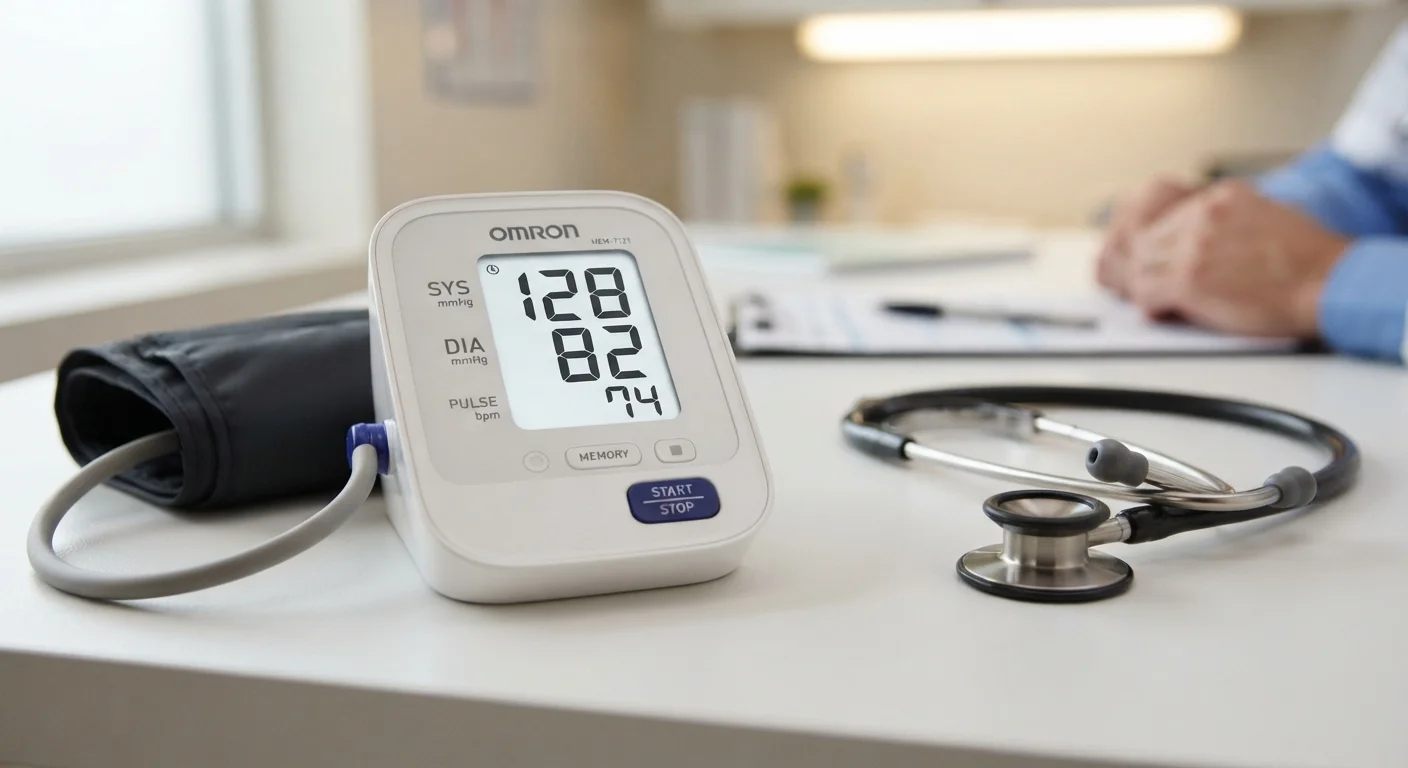
Photo: HerbHealWellness.com | Modern Guide To Wellness editorial
Key Takeaways
- A blood pressure reading has two numbers: systolic (top) and diastolic (bottom), both measured in mmHg.
- Normal blood pressure is generally considered below 120/80 mmHg according to major U.S. guidelines.
- Readings can vary throughout the day based on activity, stress, posture, and time of day.
- A single elevated reading is not a diagnosis — patterns over time matter more than any one number.
- Always discuss persistent or significantly elevated readings with a qualified healthcare professional.
The Two Numbers: Systolic and Diastolic Explained
Every blood pressure reading you see on a monitor displays two values separated by a slash — for example, 118/76 mmHg. The first, larger number is the systolic pressure: the peak force your heart generates each time it contracts and pushes blood through your arteries. The second, smaller number is the diastolic pressure: the residual pressure maintained in your arteries while your heart relaxes between beats.
Neither number tells the full story in isolation. Clinicians evaluate both together, along with a patient's overall health profile. For context on how blood pressure monitoring fits alongside other home health tools, see our field guide to home health monitoring devices.
“Home blood pressure monitoring plays an important role in confirming a diagnosis of hypertension and in assessing the response to treatment — readings taken in familiar surroundings often reflect a person's true pressure more accurately than a single clinic measurement.”
— American Heart Association, Leading U.S. cardiovascular health organization
Understanding the Ranges: What the Numbers Signal
The American Heart Association categorizes adult blood pressure into the following ranges:
| Category | Systolic (mmHg) | Diastolic (mmHg) |
|---|---|---|
| Normal | Less than 120 | Less than 80 |
| Elevated | 120–129 | Less than 80 |
| Hypertension Stage 1 | 130–139 | 80–89 |
| Hypertension Stage 2 | 140 or higher | 90 or higher |
| Hypertensive Crisis | Higher than 180 | Higher than 120 |
Low blood pressure (hypotension), typically below 90/60 mmHg, can also be clinically significant, particularly if it causes symptoms like dizziness or fainting. These ranges are general educational references — your healthcare provider applies them within the full context of your health history.
47%
U.S. adults with hypertension
According to the Centers for Disease Control and Prevention (CDC), nearly half of U.S. adults have high blood pressure, but only about 1 in 4 have it under control.
180/120 mmHg
Hypertensive crisis threshold
The American Heart Association defines a hypertensive crisis at readings above 180/120 mmHg, which may require immediate medical evaluation.
Below 120/80
Normal blood pressure target
Major U.S. clinical guidelines, including those from the American Heart Association, identify readings below 120/80 mmHg as the normal range for most adults.
Pulse Pressure: The Hidden Third Number
Subtracting the diastolic from the systolic gives you the pulse pressure. In the example 118/76 mmHg, the pulse pressure is 42 mmHg. This figure can offer additional insight: a consistently wide pulse pressure (generally above 60 mmHg) may reflect reduced arterial elasticity, which has been associated with cardiovascular risk in research literature — though its significance depends on the broader clinical picture.
Pulse pressure is rarely displayed on consumer monitors, but understanding it helps readers appreciate that blood pressure data contains more layers of information than two numbers might suggest. For a broader look at the key numbers tracked in men's health screening, our article on blood pressure, cholesterol, and blood sugar puts these readings in perspective.
Why Readings Vary — and What That Means for Monitoring
Blood pressure is not a fixed value. It responds dynamically to dozens of variables: physical exertion, emotional stress, caffeine, full bladder, posture, and even conversation can all produce temporary spikes. The phenomenon known as white coat hypertension — where readings rise in clinical settings due to anxiety — is one reason home monitoring has grown in clinical importance.
This variability is precisely why a single reading carries limited diagnostic weight. Most clinical guidelines recommend tracking multiple readings over time, taken at consistent intervals and under similar conditions. If you use an upper-arm or wrist device, the type of monitor also influences accuracy; our comparison of wrist vs. upper-arm blood pressure monitors explains the practical differences.
Take Readings at the Same Time Each Day
This article is for general informational and educational purposes only and does not constitute medical advice. Always consult a qualified healthcare professional for guidance specific to your health situation.
Frequently Asked Questions
The content on this site is for informational purposes only and is not a substitute for professional advice. Always consult a qualified professional for guidance specific to your situation.