
Common Misconceptions About Cavities That Lead to Worse Oral Health

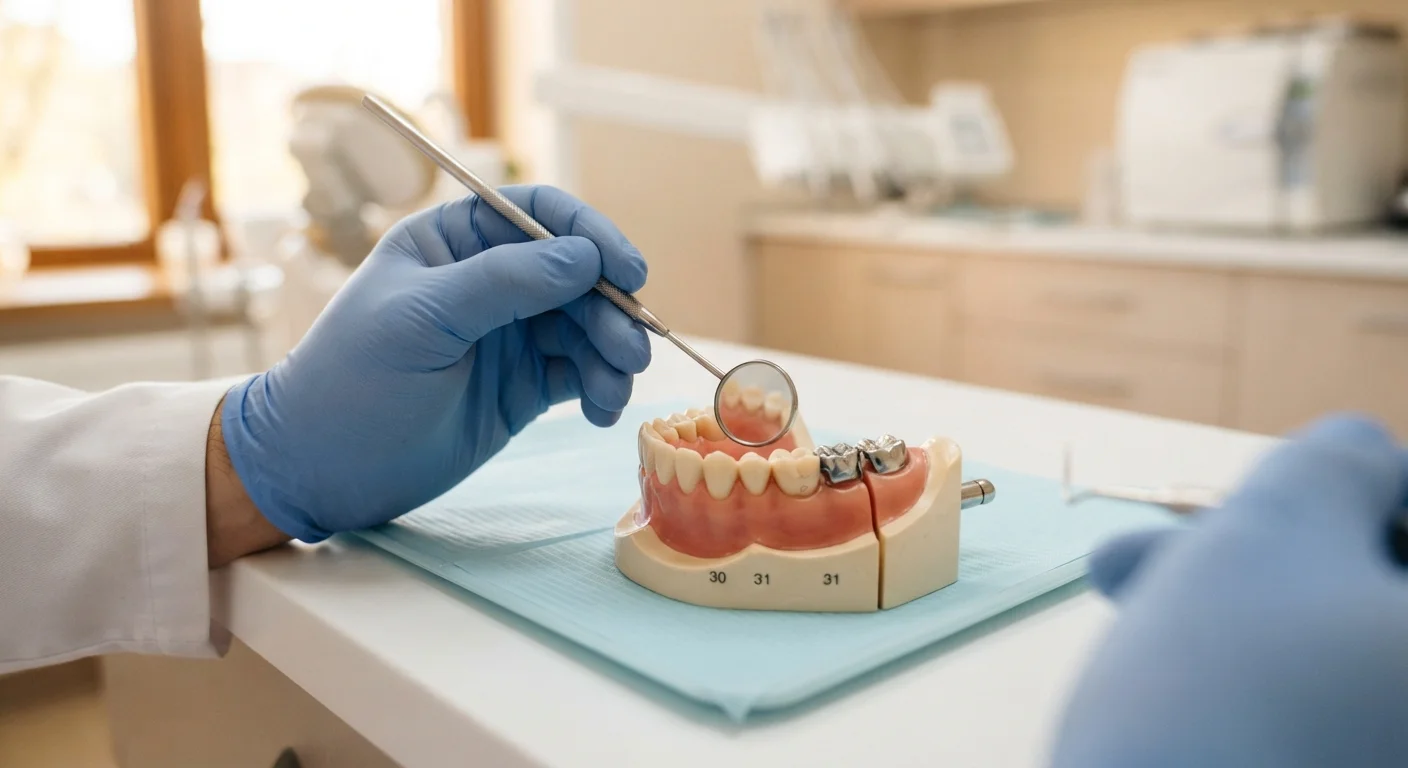
Photo: HerbHealWellness.com | Modern Guide To Wellness editorial
Key Takeaways
- Cavities are caused by acid-producing bacteria, not sugar alone — frequency of exposure matters more than quantity.
- Baby teeth are not expendable; decay in primary teeth can affect the development of permanent ones.
- Pain is a late symptom of tooth decay — many cavities cause no discomfort until they are advanced.
- Brushing alone is insufficient; flossing removes plaque from surfaces a toothbrush cannot reach.
- Cavities cannot heal on their own once a physical hole forms — early-stage lesions may remineralize, but not established decay.
Why Cavity Myths Are More Harmful Than They Seem
Tooth decay is one of the most prevalent chronic conditions worldwide, yet widespread misunderstandings about how it develops and progresses cause many people to delay care, adopt ineffective habits, or dismiss early warning signs. Unlike many health myths that are simply harmless inaccuracies, cavity misconceptions carry real clinical consequences — from avoidable tooth loss to untreated infections that can affect systemic health.
Understanding how decay actually progresses inside a tooth makes it easier to see why these myths steer people in the wrong direction. The myth-and-fact pairs below address the most clinically significant misconceptions that dental professionals encounter.
Myth
Only eating a lot of sugar causes cavities.
Fact
Frequency of sugar and carbohydrate exposure matters more than total quantity. How often your teeth are bathed in fermentable carbohydrates drives acid production more than any single dose.
Cavities result from acid produced when bacteria in dental plaque metabolize fermentable carbohydrates — which include not just table sugar but also starchy foods, refined grains, and even some fruits. Sipping sweetened beverages throughout the day, for instance, creates near-continuous acid exposure that accelerates enamel demineralization. Someone who consumes a large sugary dessert at one sitting may cause less cumulative acid damage than someone who sips a sugary drink over several hours. Reducing snacking frequency and rinsing with water after eating are among the practical strategies dentists recommend alongside dietary changes. Carbohydrate type and timing both matter — a nuance explored in the broader research on dietary carbohydrates and health.
Myth
If a tooth doesn't hurt, there's no cavity.
Fact
Pain is typically a late-stage symptom of tooth decay. Most cavities progress through early and moderate stages without causing any discomfort.
Dental enamel contains no nerve endings. It is only when decay penetrates deeply enough to reach dentin — or eventually the dental pulp — that sensitivity or pain becomes noticeable. By the time a cavity causes spontaneous pain, it may already require more extensive treatment such as a root canal rather than a simple filling. This is why routine dental examinations and X-rays are essential for detecting decay at stages when treatment is simpler and less invasive. Waiting for pain as a cue to seek care is one of the most clinically costly misconceptions in dentistry.
Myth
Baby teeth don't really matter because they fall out anyway.
Fact
Primary (baby) teeth serve critical functions in speech development, nutrition, and holding space for permanent teeth. Untreated decay in primary teeth can have lasting consequences.
Primary teeth act as natural space maintainers for the developing permanent dentition. When a baby tooth is lost prematurely due to severe decay, neighboring teeth can drift into that space, potentially causing crowding or misalignment of permanent teeth. Untreated dental infections in children can also cause pain that disrupts eating and sleep, and in rare cases, oral infections can spread beyond the mouth. Pediatric dental guidelines consistently recommend addressing decay in primary teeth and establishing preventive care early in childhood. Parents of young children should consult a pediatric dentist for appropriate guidance, especially since recommendations for special populations — including young children — require professional input.
Myth
Brushing twice a day is enough to prevent cavities.
Fact
Brushing is essential but insufficient on its own. Flossing or using interdental cleaners is necessary to remove plaque from the contact points between teeth, where many cavities form.
Approximately 40% of a tooth's surface lies between teeth — areas a toothbrush bristle cannot reliably reach. Interproximal cavities (those that form between teeth) are among the most common types dentists detect on routine X-rays. Interdental cleaning removes the plaque biofilm that, if left undisturbed, acidifies and demineralizes enamel at those contact points. The method of interdental cleaning — traditional floss, floss picks, or water flossers — matters less than consistent daily use. Technique also plays a role; certain brushing habits can inadvertently cause damage even while appearing thorough.
Myth
Once you have a cavity, it will keep getting worse no matter what.
Fact
Very early-stage enamel lesions — sometimes called incipient caries — can remineralize with fluoride, improved oral hygiene, and dietary changes, stopping progression before a physical hole forms.
The decay process is not always a one-way progression. At its earliest stage, demineralization creates a white spot lesion on enamel that has not yet broken down structurally. At this point, the balance between demineralization and remineralization can be tipped back in favor of repair. Fluoride from toothpaste, fluoridated water, and professional fluoride treatments supports this remineralization process. However, once a physical cavity — a structural hole or breakdown in the enamel surface — has formed, it cannot self-repair. Enamel does not regenerate once lost, which is why catching decay at its earliest detectable stage is clinically significant.
Myth
Cavities only happen to people who don't brush properly.
Fact
Oral hygiene is one factor among many. Genetics, saliva composition, medication use, diet, and access to fluoride all influence individual cavity risk independently of brushing habits.
Some individuals are more susceptible to decay due to factors largely outside their control: inherited enamel characteristics, the specific bacterial composition of their oral microbiome, low salivary flow, or the acidic nature of their saliva. Medications that cause dry mouth — a side effect of hundreds of commonly prescribed drugs — reduce saliva's protective buffering capacity and meaningfully elevate decay risk. Systemic conditions, including some that are explored in the context of oral and systemic health connections, can also affect oral tissues. Attributing cavities solely to inadequate brushing can lead to shame-based avoidance of dental care rather than productive problem-solving with a clinician.
What Evidence-Based Dentistry Actually Shows
Several of these misconceptions share a common thread: they focus on a single cause or visible symptom, while cavity development is actually a multi-factor process. Bacteria, diet, saliva, enamel strength, oral hygiene habits, and even medications all interact. For example, dry mouth caused by certain medications substantially raises cavity risk because saliva plays a protective role in neutralizing acids and clearing food particles.
90%+
Adults with at least one cavity in their lifetime
According to the National Institute of Dental and Craniofacial Research, tooth decay is one of the most common chronic diseases across all age groups in the United States.
~40%
Tooth surface unreachable by a toothbrush
Dental anatomy means the contact surfaces between teeth — where many interproximal cavities form — cannot be adequately cleaned by brushing alone, regardless of technique.
Similarly, certain brushing habits that seem harmless — including brushing immediately after consuming acidic foods — can accelerate enamel wear rather than prevent it. Addressing cavity myths is therefore not just about correcting false beliefs; it is about replacing them with a more complete and accurate mental model of oral health.
This article is for general informational purposes only and does not constitute medical or dental advice. Consult a licensed dental professional for personalized guidance on your oral health.
The content on this site is for informational purposes only and is not a substitute for professional advice. Always consult a qualified professional for guidance specific to your situation.