
Dry Mouth, Medications, and Systemic Health: An Underappreciated Connection

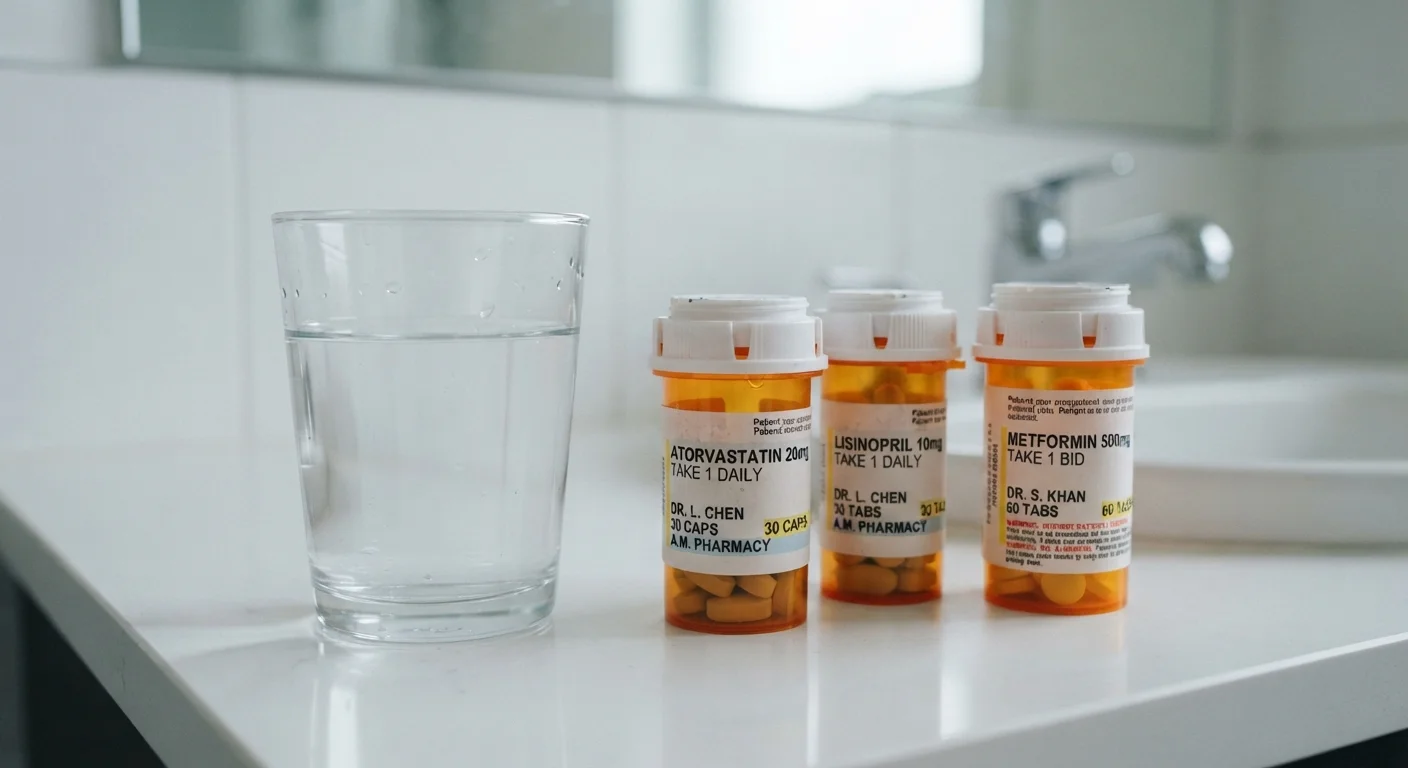
Photo: HerbHealWellness.com | Modern Guide To Wellness editorial
Key Takeaways
- More than 500 prescription and over-the-counter medications are known to cause dry mouth as a side effect.
- Saliva plays an essential protective role — its absence significantly raises the risk of cavities, gum disease, and oral infections.
- Older adults are disproportionately affected because they often take multiple medications simultaneously.
- Dry mouth from medication is often under-reported to healthcare providers, leaving it unmanaged.
- Simple strategies — staying hydrated, using sugar-free gum, and maintaining rigorous oral hygiene — can reduce risk.
- Always consult both your dentist and prescribing physician before making any changes to medication in response to dry mouth.
Why Saliva Matters More Than Most People Realize
Many people think of saliva mainly as a digestive fluid, but its role in oral health is far more fundamental. Saliva continuously bathes the teeth and gum tissue, performing three critical protective functions: it neutralizes the acids produced by plaque bacteria, it physically rinses food particles and microorganisms away from tooth surfaces, and it delivers calcium and phosphate ions that help repair microscopic enamel damage throughout the day.
When saliva flow decreases — even modestly — each of these protective mechanisms weakens in parallel. Acid stays in contact with enamel longer. Bacterial populations shift toward more harmful, decay-promoting species. The mouth's natural repair cycle slows. The result is an oral environment that is significantly more prone to cavities, gum disease, and fungal infections such as oral candidiasis (thrush).
Understanding this protective role is the foundation for understanding why dry mouth carries real clinical risk, not merely discomfort.
The Scale of the Problem: How Many Medications Are Involved?
Research consistently identifies more than 500 medications across dozens of drug classes as capable of reducing salivary flow or altering saliva composition. This list spans both prescription treatments and common over-the-counter products. Some of the most widely used categories include:
- Antihistamines — including first-generation allergy medications with strong anticholinergic properties
- Antidepressants — particularly tricyclic antidepressants and some SSRIs
- Antihypertensives — including calcium channel blockers, diuretics, and beta-blockers
- Antipsychotics — which often carry significant anticholinergic burden
- Bladder control medications — specifically those targeting muscarinic receptors
- Opioid analgesics and certain muscle relaxants
500+
Medications known to reduce saliva flow
Research and clinical pharmacology references consistently identify more than 500 drugs across multiple classes as xerostomic (saliva-reducing).
~30%
Adults reporting chronic dry mouth symptoms
Population studies suggest roughly one in four to one in three adults experiences chronic dry mouth, with medication use identified as a leading cause.
40%+
Of adults over 65 take 5 or more medications
CDC data and geriatric health surveys indicate polypharmacy is widespread among older Americans, significantly compounding xerostomia risk.
The risk compounds with polypharmacy — the simultaneous use of multiple medications. Because older adults often manage several chronic conditions at once, they face a disproportionately high burden. When multiple xerostomic drugs are combined, the reduction in salivary flow can be more severe than the sum of individual effects.
The Systemic Connection: Why This Reaches Beyond Your Mouth
The consequences of medication-induced dry mouth extend well beyond tooth sensitivity or difficulty chewing. Chronic oral dryness alters the oral microbiome — the community of bacteria, fungi, and other microorganisms that live in the mouth. When saliva's antimicrobial proteins are reduced, opportunistic pathogens gain a foothold.
This matters for whole-body health. Oral bacteria linked to gum disease have been detected in arterial plaques and studied in connection with cardiovascular outcomes. Oral candidiasis, common in people with prolonged dry mouth, can become systemic in immunocompromised individuals. And in people managing diabetes, oral infections and uncontrolled gum disease can make blood sugar regulation more difficult — creating a bidirectional relationship between the mouth and metabolic health.
For a broader look at how oral conditions relate to systemic disease, see The Mouth-Body Connection. It is also worth noting that medications are only one route by which systemic health affects the mouth — as described in how systemic health conditions can show up in your mouth first.
Tell Every Provider About Every Medication
Practical Steps for People Affected
If you suspect a medication is causing dry mouth, the most important first step is to mention it explicitly — to both your prescribing physician and your dentist. Never adjust or discontinue a medication on your own. Physicians can sometimes modify dosing schedules, substitute an alternative with a lower anticholinergic burden, or recommend saliva-stimulating approaches under clinical guidance.
From a dental hygiene standpoint, people managing dry mouth benefit from more frequent professional cleanings and close monitoring for early cavity development. Fluoride applications, professionally recommended remineralizing agents, and rigorous daily oral hygiene habits become especially important.
Supportive measures that are generally safe and widely recommended include:
- Sipping water consistently throughout the day
- Chewing sugar-free gum or using sugar-free hard candies to stimulate saliva mechanically
- Avoiding alcohol-containing mouthwashes, which can worsen dryness
- Limiting caffeine and alcohol intake, which have mild diuretic effects
- Using a humidifier at night if mouth breathing worsens symptoms
Tooth decay patterns in people with dry mouth also tend to occur in atypical locations — such as along the gum line and on the smooth surfaces of teeth — which can catch people off guard. Understanding common misconceptions about cavities helps ensure that these less expected decay sites are not overlooked.
Special Consideration for Older Adults
This article provides general health information and education only. It is not a substitute for advice from a qualified dental or medical professional. Always consult your dentist and physician regarding symptoms, medication management, and treatment decisions specific to your situation.
Frequently Asked Questions
The content on this site is for informational purposes only and is not a substitute for professional advice. Always consult a qualified professional for guidance specific to your situation.