
How Systemic Health Conditions Can Show Up in Your Mouth First

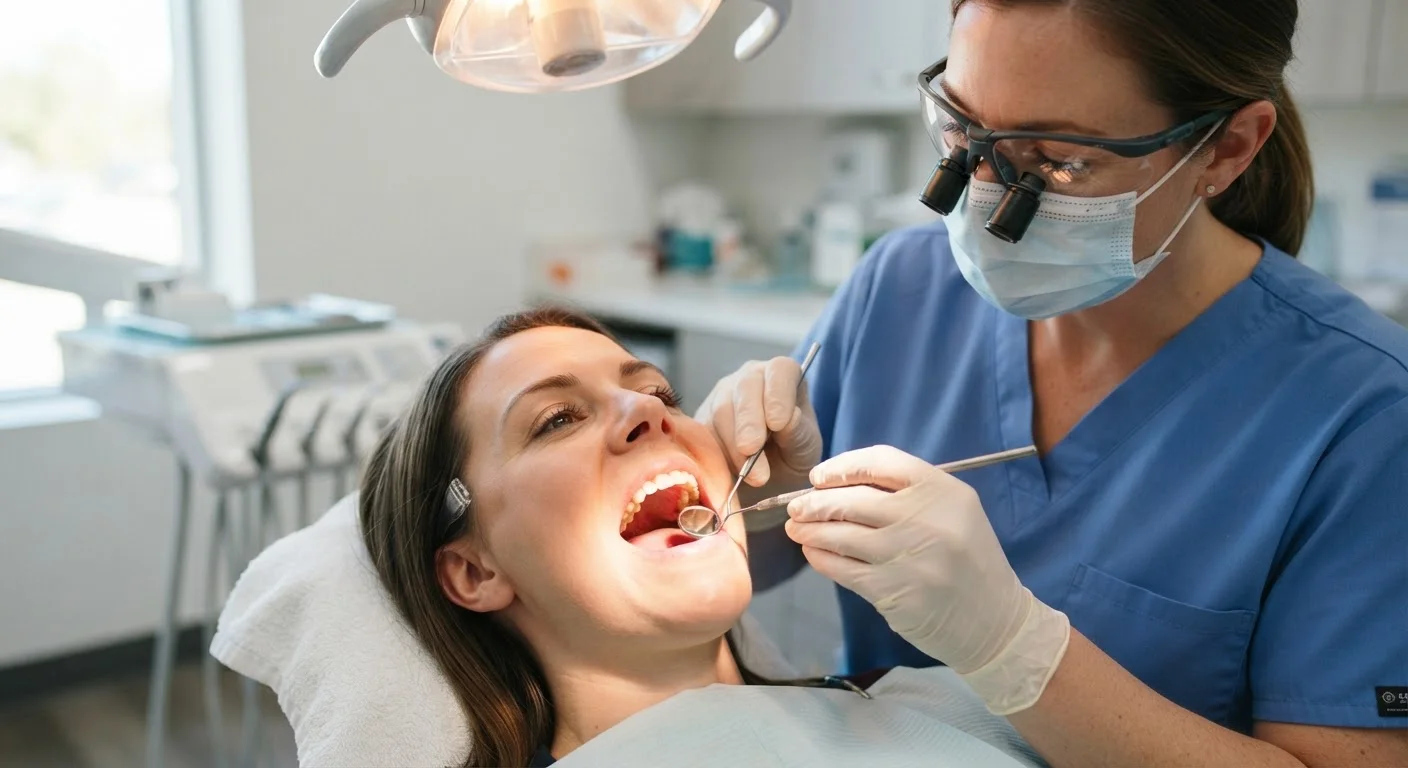
Photo: HerbHealWellness.com | Modern Guide To Wellness editorial
Key Takeaways
- The mouth can display early warning signs of systemic conditions like diabetes, anemia, and autoimmune disorders.
- Gum changes, oral lesions, and unusual tissue color are among the findings dentists are trained to recognize.
- Noticing an oral symptom does not mean a diagnosis — but it is a reason to follow up with a physician.
- Regular dental visits provide a consistent opportunity to catch health changes that might otherwise go unnoticed.
- Communication between your dentist and primary care provider can improve overall health outcomes.
Why the Mouth Is a Window to the Rest of the Body
Most people think of a dental appointment as a check for cavities and a professional cleaning. But the mouth is rich in blood vessels, mucosal tissue, and immune activity — making it one of the first places where changes in systemic health can become visible. Dentists are trained to look beyond teeth and gums; what they observe in the soft tissue, tongue, saliva flow, and gingival color can sometimes point toward conditions that have not yet been formally diagnosed.
This does not mean your dentist can diagnose systemic disease — that role belongs to your physician. What it does mean is that an attentive dental exam adds a layer of surveillance that complements your broader medical care. The following conditions are among those that may leave early or distinctive oral signs. Explore how oral and systemic health intersect across a range of conditions.
Tell Your Dentist About Your Full Medical History
Diabetes
Uncontrolled or undiagnosed diabetes can manifest in the mouth in several ways. People with poorly managed blood sugar tend to experience more severe and rapidly progressing gum disease (periodontitis), slower healing after oral procedures, and a higher frequency of fungal infections such as oral thrush. The gums may appear red, swollen, and bleed easily — changes that look similar to common gum disease but may be disproportionately severe relative to the amount of plaque present.
Dry mouth (xerostomia) is another common oral feature of diabetes, as elevated blood sugar affects salivary gland function. Saliva plays a key protective role in neutralizing acids and controlling bacteria, so its reduction raises the risk of tooth decay and infection. Learn more about the two-way relationship between oral health and diabetes.
Severe gum disease disproportionate to plaque levels may be an early signal of uncontrolled blood sugar.
Iron-Deficiency Anemia
When the body lacks sufficient iron to produce healthy red blood cells, the tissues of the mouth are often among the first to reflect that deficit. Dentists may observe a pale or unusually smooth appearance to the tongue — a condition called glossitis, where the normal bumpy surface (papillae) flattens out. The inner lining of the mouth may also appear washed-out or pale rather than a healthy pink.
Some people with iron-deficiency anemia develop angular cheilitis, which presents as painful cracking or soreness at the corners of the mouth. Recurring mouth ulcers and a persistent burning sensation on the tongue are additional oral features that can accompany this condition. These signs alone cannot confirm anemia, but they are reason to discuss blood work with a physician.
A smooth, pale tongue and cracked corners of the mouth can accompany iron-deficiency anemia.
Autoimmune Conditions (Including Lupus and Sjögren's Syndrome)
Several autoimmune diseases produce distinctive oral findings. Sjögren's syndrome, which causes the immune system to attack moisture-producing glands, leads to severe dry mouth that significantly increases decay risk and makes eating and speaking uncomfortable. Dry mouth — whether from Sjögren's or medications — has underappreciated consequences for oral health.
Lupus (systemic lupus erythematosus) can produce oral ulcers and white or reddish patches on the palate or inner cheeks that resemble — but are distinct from — canker sores. These lesions may be painless or mildly uncomfortable and can come and go with disease flares. Dentists familiar with autoimmune presentations may note these patterns and recommend medical evaluation.
Sjögren's syndrome can cause severe dry mouth; lupus may produce recurring oral ulcers that track disease activity.
Oral Thrush as an Immune Indicator
Oral thrush — a fungal infection caused by Candida species — is common and usually benign in healthy individuals who wear dentures or have recently taken antibiotics. However, when thrush appears in a person who lacks these typical risk factors, it can signal immune suppression. Conditions associated with unexpected oral thrush include HIV infection, poorly controlled diabetes, and certain cancers or their treatments.
Thrush typically presents as creamy white patches on the tongue, inner cheeks, or palate that can be wiped away to reveal a red, sometimes bleeding surface beneath. Understanding what distinguishes thrush from other white patches is important, because the appearance of thrush without an obvious explanation warrants further medical investigation.
Recurring oral thrush without a clear cause may indicate an underlying immune deficiency worth investigating.
Vitamin B12 Deficiency
Like iron deficiency, a lack of vitamin B12 can produce notable changes in the oral mucosa. The tongue may become inflamed, swollen, and unusually smooth — again reflecting damage to the papillae. People often report a burning or sore sensation. Recurrent mouth ulcers and a general redness of the oral lining are also associated with B12 deficiency, which can arise from dietary insufficiency, certain medications, or conditions affecting nutrient absorption in the gut.
Because B12 is essential for nerve function and red blood cell production, prolonged deficiency has broader consequences. Dentists who observe unexplained glossitis or recurring ulcers may ask about diet and digestion, helping connect oral symptoms to a systemic nutritional picture.
Unexplained tongue inflammation and recurring ulcers can reflect a B12 deficiency rooted in diet or absorption issues.
Pregnancy-Related Hormonal Changes
Pregnancy brings significant hormonal shifts that affect gum tissue responsiveness to bacteria. Pregnancy gingivitis — characterized by red, swollen, and easily bleeding gums — is common and usually resolves after delivery. In some cases, a benign overgrowth of gum tissue called a pyogenic granuloma (sometimes called a 'pregnancy tumor') may develop, typically in response to local irritation in the presence of elevated hormones.
Beyond gum changes, morning sickness can expose tooth enamel to stomach acid, increasing erosion risk. Research has also explored associations between periodontal disease and adverse pregnancy outcomes such as preterm birth, though the evidence remains under active study. Oral health during pregnancy carries higher stakes than many expectant parents realize, making dental visits during this period especially worthwhile. Pregnant individuals should always consult both their obstetrician and dentist before any dental procedure.
Pregnancy hormones amplify gum inflammation, making dental visits during pregnancy particularly important.
What to Do If You Notice These Signs
Observing any of the oral changes described above is not grounds for alarm, but it is a reason to act. If a dentist flags an unusual finding during your exam, they will typically recommend following up with your primary care physician. Similarly, if you notice a change yourself — persistent mouth sores, unusual gum bleeding, a white patch, or extreme dryness — mentioning it at your next appointment is worthwhile.
Oral Signs Are Clues, Not Diagnoses
The relationship between oral and systemic health runs in both directions. Just as systemic conditions can produce oral signs, oral bacteria can contribute to systemic inflammation, and research continues to explore links between gum disease and cardiovascular health. Keeping up with dental visits, maintaining consistent daily hygiene, and communicating openly with both your dentist and physician is the most evidence-supported approach to protecting your health on both fronts.
This article is for general informational and educational purposes only and does not constitute medical or dental advice. Always consult a qualified healthcare professional for guidance specific to your health situation.
The content on this site is for informational purposes only and is not a substitute for professional advice. Always consult a qualified professional for guidance specific to your situation.