
Daily Oral Hygiene Audit: Are You Covering All the Bases?

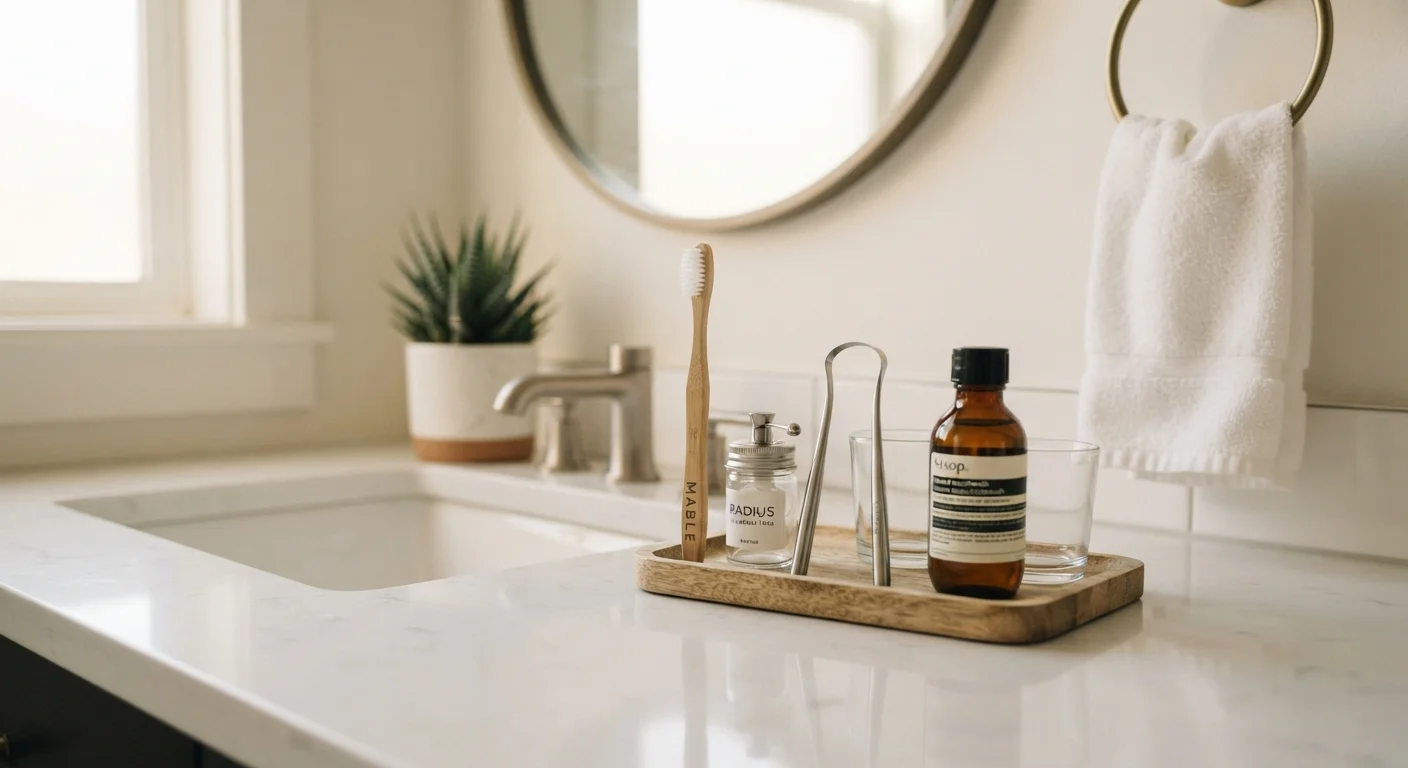
Photo: HerbHealWellness.com | Modern Guide To Wellness editorial
Key Takeaways
- Brushing twice daily for two full minutes is the non-negotiable foundation of oral hygiene.
- Interdental cleaning — flossing or an alternative — removes plaque that brushing cannot reach.
- Tongue cleaning and fluoride use are frequently skipped steps that meaningfully reduce bacterial load.
- Your technique and tool choices matter as much as consistency.
- Even a strong home routine does not replace regular professional dental visits.
Why Auditing Your Routine Matters
Most adults believe they have a solid oral hygiene routine — yet dental surveys consistently find that a significant portion of the population skips interdental cleaning, brushes for less than a minute, or has never used a tongue scraper. Gaps like these accumulate silently: plaque hardens into tartar within 24 to 72 hours, and early gum disease often causes no pain at all.
This checklist is designed to help you identify exactly where your routine is complete and where it may have blind spots. Work through each group honestly. There are no right answers to perform — only habits to build.
If you have children at home, note that their routines require age-specific adjustments covered in our guide to oral hygiene at every childhood stage.
Brushing
Interdental Cleaning
Tongue and Soft Tissue Care
Rinsing and Hydration
Professional and Preventive Oversight
Tools You'll Need
Before running the audit, confirm you have the right equipment. Using the wrong tools — or worn-out ones — can undermine even a diligent routine.
Soft-bristled toothbrush
Removes plaque from tooth surfaces and the gumline without causing enamel abrasion or gum recession.
Fluoride toothpaste
Delivers fluoride to strengthen enamel and inhibit the bacteria responsible for tooth decay.
Dental floss
Cleans the contact areas between teeth and just beneath the gumline where brushing cannot reach.
Tongue scraper
Removes the bacterial film on the tongue's surface that contributes to bad breath and oral bacterial load.
Interdental brush or water flosser
Provides an effective alternative to string floss for people with wider gaps, bridgework, or dexterity limitations.
Mouth rinse (as directed by a dentist)
Serves as a supplemental tool to reduce bacteria or boost fluoride exposure when recommended for specific risk profiles.
For a detailed comparison of interdental cleaning tools, see our overview of dental floss, interdental brushes, and water flossers.
Acting on Your Results
Once you've run through the checklist, note which items you marked as incomplete. Rather than trying to change everything at once, prioritize the must items first — they represent the practices with the strongest evidence for preventing cavities and gum disease.
From there, layer in the should items over the following two to three weeks as each new step becomes automatic. Research on habit formation suggests attaching a new behavior to an existing cue — for instance, using a tongue scraper immediately after brushing each morning — is more effective than scheduling it as a separate task.
Bleeding Gums Are Not Normal
A strong home routine is only part of the picture. Professional cleanings reach calcified deposits no toothbrush can remove, and a dentist can catch early-stage decay or gum changes before they become costly problems. The hub on common dental conditions explains what professionals are looking for at each visit.
Your oral health is also connected to broader systemic health — consistent habits here support outcomes well beyond your mouth. Our article on building a dental routine that supports whole-body health explores those connections in depth.
This article is for general informational purposes only and does not constitute medical or dental advice. Consult a licensed dental professional for guidance tailored to your specific oral health needs.
The content on this site is for informational purposes only and is not a substitute for professional advice. Always consult a qualified professional for guidance specific to your situation.