
Oral Hygiene for Children: Building Good Habits at Every Stage

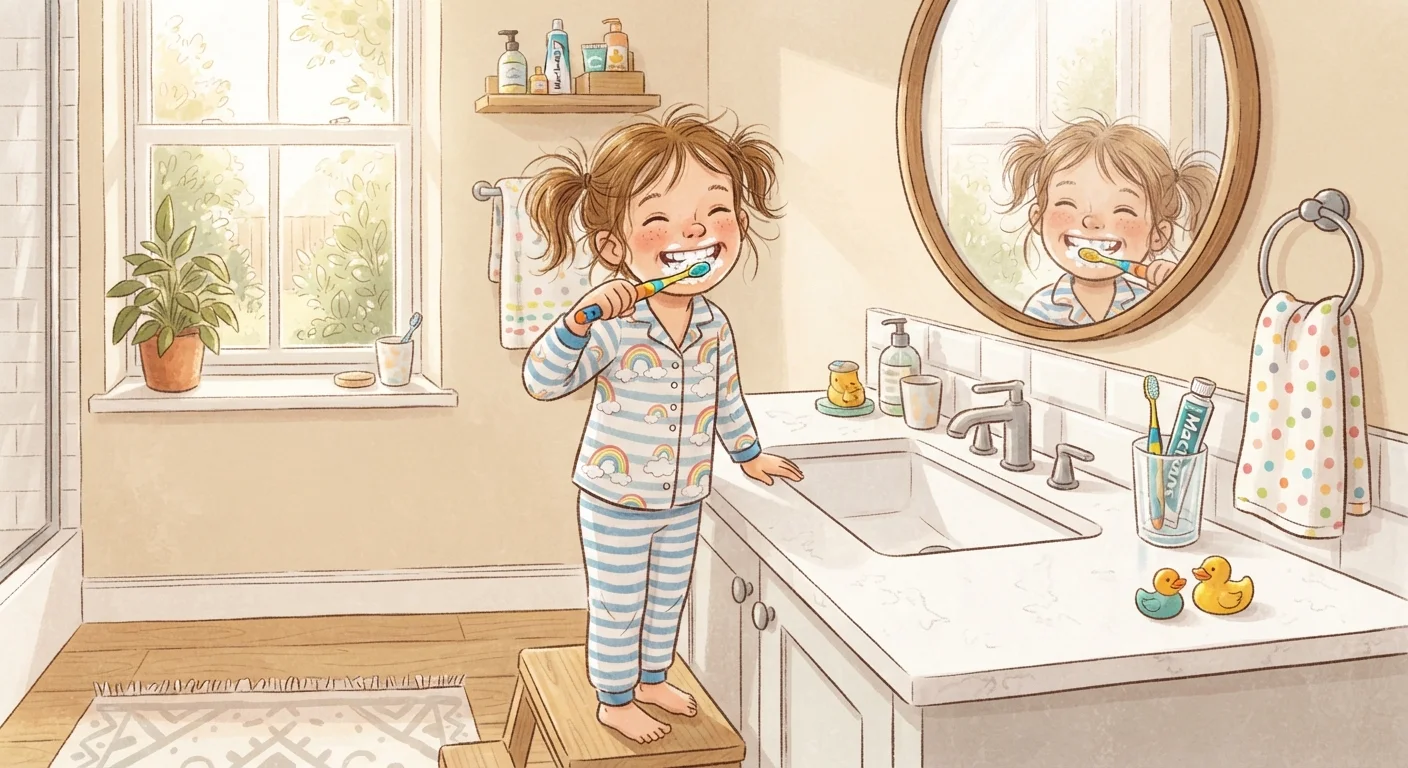
Photo: HerbHealWellness.com | Modern Guide To Wellness editorial
Key Takeaways
- Oral care should begin before the first tooth erupts, using a clean damp cloth to wipe gums.
- Children need adult supervision and assistance with brushing until around age 7–8.
- Fluoride toothpaste is recommended for children of all ages, but the amount varies by age group.
- The first dental visit should happen by a child's first birthday or within six months of the first tooth.
- Teens face unique risks from sugary drinks, sports, and orthodontic appliances that require targeted habits.
Why Children's Oral Health Matters From the Start
Healthy baby teeth aren't just placeholders — they guide the eruption of permanent teeth, support proper speech development, and allow children to chew a varied, nutritious diet. Early tooth decay, sometimes called early childhood caries, is one of the most common chronic childhood conditions in the United States, yet it is largely preventable.
The habits children establish before age five often persist well into adulthood. Research published in pediatric dental literature consistently shows that children who receive consistent oral hygiene care and early preventive dental visits have significantly lower rates of cavities over time. For parents and caregivers, understanding what's appropriate at each developmental stage is the most effective starting point. For adult oral hygiene routines, see our complete daily oral hygiene guide as a complementary reference.
Early childhood caries
A pattern of tooth decay affecting infants and toddlers, often linked to prolonged exposure to sugary liquids. It is one of the most common preventable childhood diseases.
Fluoride toothpaste
Toothpaste containing fluoride, a mineral that strengthens tooth enamel and helps prevent cavities. It is recommended for children of all ages in amounts appropriate to their age group.
Dental sealants
A thin protective coating applied by a dentist to the chewing surfaces of back teeth to fill in grooves where food and bacteria tend to collect, reducing cavity risk.
Baby bottle tooth decay
Decay caused when infants or toddlers frequently have sugary liquids — including milk and juice — pooling around their teeth, especially overnight.
Fluoride varnish
A concentrated fluoride treatment painted onto teeth by a dental professional to strengthen enamel and reduce the risk of cavities, commonly used in children's dental visits.
Interdental brush
A small brush designed to clean the spaces between teeth and around orthodontic brackets where a regular toothbrush cannot reach effectively.
Infants and Toddlers: The Foundation Years
Oral care begins before the first tooth appears. After each feeding, gently wipe an infant's gums with a clean, damp cloth to remove milk residue and bacteria. Once the first tooth erupts — usually around six months — introduce a soft-bristled infant toothbrush and a rice-grain-sized smear of fluoride toothpaste.
By age two, most children have several teeth and brushing should happen twice a day: once in the morning and once before bed. Parents should do the brushing at this age. Toddlers lack the coordination to clean all tooth surfaces effectively on their own. Avoid putting infants to bed with a bottle of milk or juice, as prolonged contact with sugary liquids is a leading cause of baby bottle tooth decay.
Make Brushing a Positive Routine
Flossing should start once two teeth are touching. Use soft, child-friendly floss picks to make the process easier and less uncomfortable for young children.
School-Age Children: Building Independence
Between ages six and twelve, children lose their primary teeth and gain their permanent ones — a transition that requires careful monitoring. During this period, children can begin taking on more responsibility for their own brushing, but parental supervision remains important until around age 7 or 8.
Children in this age group should brush for a full two minutes, twice daily, using a pea-sized amount of fluoride toothpaste. Consider a sand timer or a brushing app to help them gauge the correct duration. Flossing once daily becomes increasingly important as permanent molars emerge with tighter contact points.
This is also a good time to discuss habits that can quietly harm teeth over time — the brushing habits that damage teeth article covers common mistakes like brushing too hard or using a worn-out toothbrush, which apply to children just as much as adults.
Watch for Signs of Aggressive Brushing
Teens: Navigating Orthodontics and New Habits
Adolescence introduces new oral health challenges. Teens often have greater dietary freedom and may consume more sugary sports drinks, energy drinks, and acidic sodas — all of which erode enamel and increase cavity risk. Busy schedules can push brushing and flossing to the bottom of the priority list.
For teens with braces or other orthodontic appliances, cleaning becomes more complex. Food and plaque accumulate around brackets and wires, making thorough brushing and the use of interdental brushes or water flossers essential. Teens in contact sports should use a properly fitted mouthguard to protect teeth from trauma.
It's also worth discussing when to brush relative to meals — waiting 30 minutes after consuming acidic foods or drinks before brushing helps prevent enamel abrasion at a time when enamel is temporarily softened.
When to See a Dentist at Each Stage
Routine dental visits are as important as daily brushing. The American Academy of Pediatric Dentistry (AAPD) recommends that a child's first dental appointment occur by age one or within six months of the first tooth erupting. After that, most children benefit from check-ups every six months, though a dentist may recommend a different schedule depending on individual risk factors.
Professional cleanings remove tartar that home brushing cannot address, and dentists can apply dental sealants to the chewing surfaces of back teeth to help prevent decay. Fluoride varnish treatments, often applied at routine visits, provide an additional layer of protection during high-risk developmental windows.
Parents should consult their child's dentist promptly if they notice white or brown spots on teeth, complaints of tooth pain or sensitivity, visible holes or chips, or swelling in the gums. Early intervention almost always leads to simpler, less invasive treatment. For a broader view of how consistent dental habits connect to lifelong health, see our article on building a dental routine for whole-body health.
This article is for general informational purposes only and does not constitute medical or dental advice. Always consult a qualified dental professional regarding your child's specific oral health needs.
Frequently Asked Questions
The content on this site is for informational purposes only and is not a substitute for professional advice. Always consult a qualified professional for guidance specific to your situation.