
Your Complete Daily Oral Hygiene Routine, From Morning to Night

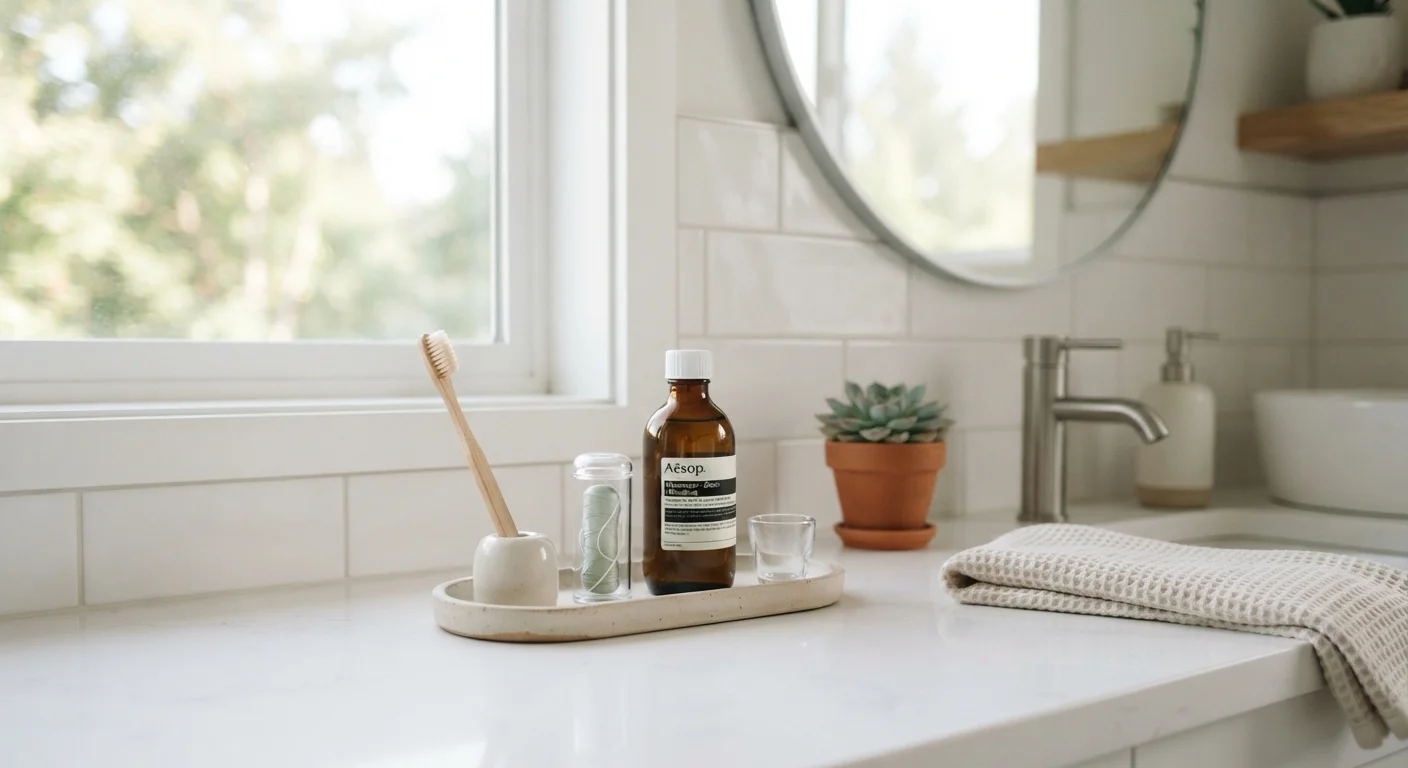
Photo: HerbHealWellness.com | Modern Guide To Wellness editorial
Key Takeaways
- Brush at least twice daily for two minutes using a fluoride toothpaste.
- Floss once daily to remove plaque from between teeth where brushes can't reach.
- Nighttime oral care is the most critical session — never skip it.
- Rinsing with water after meals helps neutralize acids and clear food debris.
- Regular dental checkups complement your daily routine and catch problems early.
Why a Daily Routine Matters
Oral disease is largely preventable, yet tooth decay and gum disease remain among the most widespread chronic health conditions in the United States. The gap between those who experience significant dental problems and those who don't often comes down to one factor: consistency in daily oral hygiene.
Plaque — the sticky bacterial film that forms on teeth — begins accumulating within hours of brushing. Left undisturbed, plaque hardens into tartar within 24 to 72 hours, which only a professional cleaning can remove. Regular brushing and flossing disrupt this cycle before it can cause damage.
Beyond your smile, research consistently links poor oral health to systemic conditions including cardiovascular disease and poorly controlled diabetes. Understanding this connection is a compelling reason to treat your dental routine as a health priority, not a cosmetic one. For a deeper look at how oral care supports whole-body outcomes, see how consistent dental habits fit into broader systemic health.
90%
Adults with at least one cavity in their lifetime
According to the National Institute of Dental and Craniofacial Research, tooth decay is one of the most common chronic diseases in the U.S.
47%
U.S. adults with some form of gum disease
Data from the CDC and the American Academy of Periodontology estimate nearly half of adults aged 30 and older have periodontitis.
2 min
Recommended brushing duration per session
The American Dental Association recommends brushing for two full minutes, twice daily, yet surveys suggest most people brush for less than one minute.
Your Morning Oral Care Routine
Brushing in the morning serves two purposes: it removes the bacterial buildup that accumulates overnight (often called "morning mouth") and coats teeth with fluoride ahead of the day's meals.
Step 1: Brush Before or After Breakfast?
Dental professionals generally recommend brushing before breakfast. Eating acidic foods or drinking coffee softens enamel temporarily; brushing immediately after can accelerate enamel wear. If you prefer to brush after eating, wait at least 30 minutes. For a full breakdown of timing research, see when you brush and floss and why it matters.
Step 2: Technique Counts
Use a soft-bristled toothbrush and fluoride toothpaste. Hold the brush at a 45-degree angle to the gumline and use gentle, circular or short back-and-forth strokes. Brush all surfaces — outer, inner, and chewing — for a full two minutes. Don't forget the tongue, which harbors odor-causing bacteria.
Replace your toothbrush or brush head every three to four months — or sooner if the bristles are visibly frayed. Worn bristles clean far less effectively than fresh ones.
After brushing at night, spit out excess toothpaste but skip rinsing with water. This leaves a residual fluoride layer on enamel that continues working while you sleep.
Caring for Your Mouth During the Day
Between meals, your mouth goes through repeated cycles of acid attack and recovery. Each time you eat or drink something other than water, oral bacteria metabolize sugars and produce acids that temporarily lower the mouth's pH.
Simple Daytime Habits That Help
- Rinse with water after meals and snacks to help neutralize acids and dislodge food particles.
- Stay hydrated. Saliva is your mouth's natural defense — it neutralizes acids and remineralizes enamel. Dehydration reduces saliva flow.
- Limit frequent snacking. Every eating episode restarts the acid cycle. Consolidating snacks reduces the number of daily acid exposures.
- Chew sugar-free gum containing xylitol if brushing isn't possible after a meal. Chewing stimulates saliva flow and can help clear debris.
Acidic Drinks and Enamel Erosion
Your Nighttime Oral Care Routine
If you could only choose one brushing session, dental professionals consistently point to nighttime as the more important one. Saliva flow drops significantly during sleep, removing the natural protective buffering that operates during waking hours. Any plaque or food debris left on teeth overnight has hours of undisturbed contact with enamel and gum tissue.
Step 1: Floss First
Floss before brushing so that loosened plaque and debris between teeth can be swept away by subsequent brushing and rinsing. Slide the floss gently between each pair of teeth, curving it into a "C" shape against each tooth and moving it just below the gumline. Interdental brushes or water flossers are effective alternatives for those who find string floss difficult to manage.
Step 2: Brush Thoroughly
Follow the same two-minute technique described for morning brushing. Use fluoride toothpaste and spit — don't rinse — after brushing. Leaving a thin film of toothpaste on teeth allows fluoride more time to strengthen enamel overnight.
Step 3: Consider a Therapeutic Rinse
An antiseptic or fluoride mouth rinse used at night adds an extra layer of protection, particularly for those prone to cavities or gum disease. Ask your dentist which type is appropriate for your needs — not all rinses are formulated for the same purpose.
Want to audit whether your nighttime routine covers everything it should? The daily oral hygiene audit checklist can help you spot any gaps.
Putting It All Together
A complete daily oral hygiene routine doesn't require expensive products or elaborate steps — it requires consistency and correct technique. Brush twice daily with fluoride toothpaste, floss once, rinse strategically, and stay hydrated throughout the day.
Children's routines require age-appropriate adjustments; if you're establishing habits for younger family members, age-appropriate brushing and flossing routines for children offers tailored guidance.
Finally, daily home care does not replace professional dental care. Most adults benefit from a checkup and cleaning every six months, though your dentist may recommend a different interval based on your individual risk profile. If you're new to preventive care generally, a guide to getting started with preventive healthcare explains what to expect from routine appointments.
Make It Easier to Stay Consistent
This article is for general informational and educational purposes only and does not constitute medical or dental advice. Always consult a qualified dental professional for guidance specific to your oral health needs.
The content on this site is for informational purposes only and is not a substitute for professional advice. Always consult a qualified professional for guidance specific to your situation.