
Timing Your Oral Care: Does It Matter When You Brush and Floss?

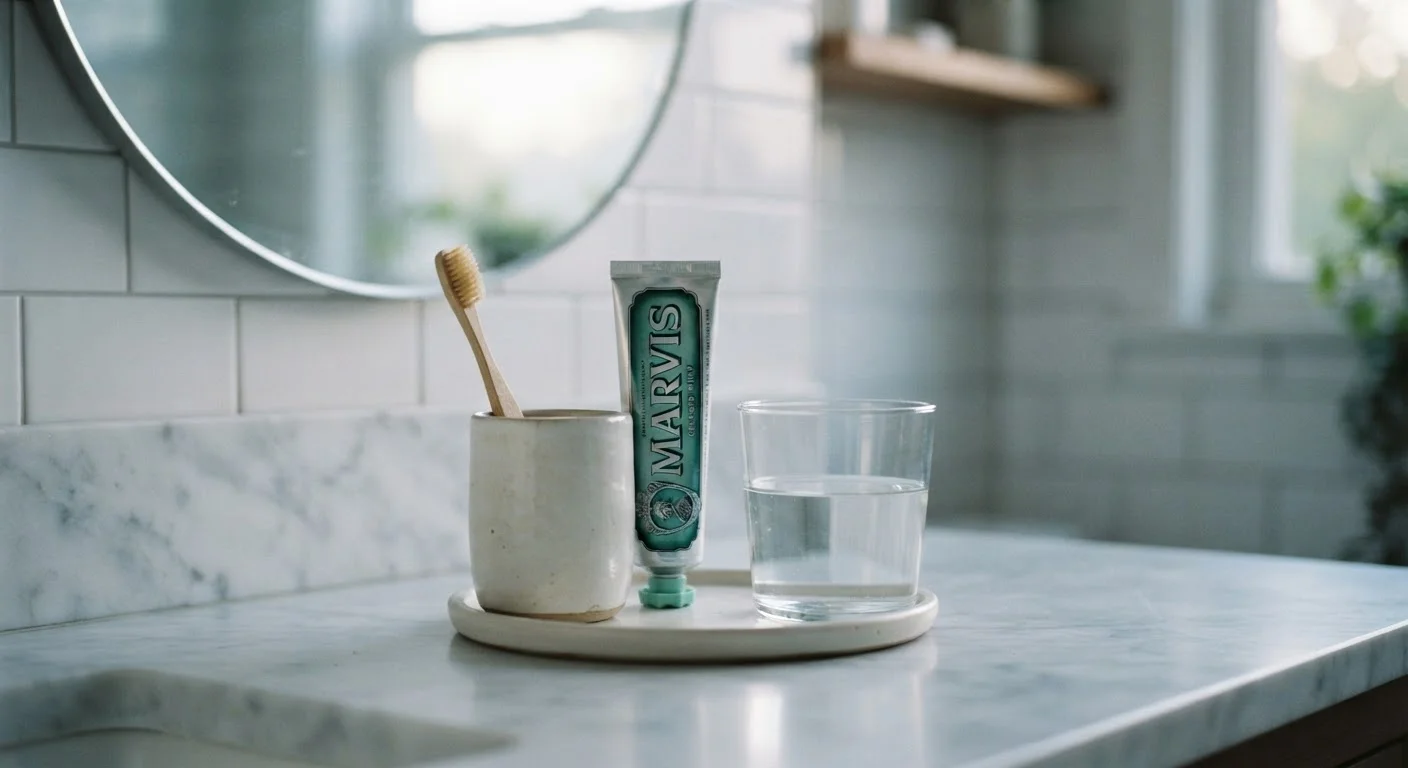
Photo: HerbHealWellness.com | Modern Guide To Wellness editorial
Key Takeaways
- Brushing immediately after acidic foods or drinks can erode softened enamel — waiting 30–60 minutes is advisable.
- Brushing before bed is the single most important oral hygiene habit for preventing overnight plaque buildup.
- Flossing before brushing may improve fluoride penetration between teeth, according to some research.
- Morning brushing before breakfast removes overnight bacteria and coats teeth with fluoride before food exposure.
- Consistency in timing matters more than perfection — making brushing and flossing a fixed habit reduces the chance of skipping.
Why Timing Isn't Just a Minor Detail
Most oral hygiene guidance focuses on how to brush and floss — technique, duration, tools. Less attention goes to when you do it. Yet timing interacts directly with the biology of your mouth: the acidity of recently consumed food, the overnight shift in saliva flow, and the daily accumulation of plaque all follow predictable patterns that your routine can either work with or against.
This isn't about rigid rules. It's about understanding what's happening in your mouth at different points in the day, so your routine does the most good. For a broader look at how plaque behaves between brushing sessions, see how plaque forms and why it keeps returning.
“Plaque is a time-dependent problem. The longer it sits undisturbed on teeth — especially during the low-saliva hours of sleep — the more damage it can do. When you clean matters almost as much as how well you clean.”
— American Dental Association, Professional dental organization and clinical guideline body
The Morning Brushing Question: Before or After Breakfast?
This is one of the most commonly debated timing questions in daily dental care, and the answer depends on what you're trying to accomplish.
Brushing before breakfast removes the bacterial buildup that accumulates in your mouth overnight, when saliva flow slows and bacteria multiply. It also applies a fluoride coating to your enamel before it encounters the acids in food and drink — a protective layer that can buffer early acid exposure.
Brushing after breakfast removes food debris and sugars left behind by your meal. However, if your breakfast included acidic items — citrus juice, coffee, yogurt, or fruit — your enamel may be temporarily softened by the acid. Brushing against softened enamel can cause microscopic surface abrasion over time.
The practical guidance from most dental clinicians: if you brush after eating, wait at least 30 minutes for saliva to re-neutralize mouth acidity and begin remineralizing enamel. Alternatively, brushing before breakfast and rinsing with water after eating offers solid protection without the wait. For more on habits that inadvertently harm enamel, see brushing habits that quietly damage teeth over time.
30–60 min
Recommended wait time before brushing after acidic food or drink
Dental clinicians commonly advise this window to allow saliva to begin neutralizing acid and remineralizing softened enamel before brushing.
~40%
Tooth surfaces missed by brushing alone
According to dental hygiene research, brushing without flossing leaves the contact areas between teeth largely uncleaned, as noted in resources from the American Dental Association.
Nighttime Brushing: The Most Critical Window
If there's one timing principle with near-universal clinical agreement, it's this: brushing before bed is essential. During sleep, saliva production drops significantly. Saliva normally dilutes acids, washes away food particles, and helps remineralize enamel — a process that essentially pauses at night.
Plaque left on teeth overnight sits undisturbed for hours in a low-saliva environment, producing acids that attack enamel and irritate gum tissue. This is the window when cavity-causing bacteria do their most sustained damage. Brushing before sleep — thoroughly, for the full two minutes — removes this plaque before it can work through the night.
Eating or drinking anything other than water after your nighttime brush undermines the purpose of that routine. If you need a late snack, brush again afterward. For more on why brushing duration supports plaque removal, see why two minutes of brushing matters.
After Brushing at Night: Skip the Rinse
Best Practices for Timing Your Complete Routine
Beyond morning and night, a few additional timing principles help optimize your overall oral hygiene routine.
Floss before you brush, not after.
Wait 30–60 minutes before brushing after consuming acidic foods or drinks.
Never skip the pre-sleep brush, even if you're tired.
Don't rinse with water immediately after brushing with fluoride toothpaste.
Brush before breakfast if your morning meal includes acidic items.
For a structured look at how all these habits fit together across a full day, see a complete daily oral hygiene routine from morning to night. If you want to audit whether your current routine covers all the key steps, a daily oral hygiene audit can help identify any gaps.
This article is for informational purposes only and is not a substitute for professional dental advice. Consult a licensed dentist for guidance specific to your oral health needs.
The content on this site is for informational purposes only and is not a substitute for professional advice. Always consult a qualified professional for guidance specific to your situation.