
Oral Health During Pregnancy: Why the Stakes Are Higher

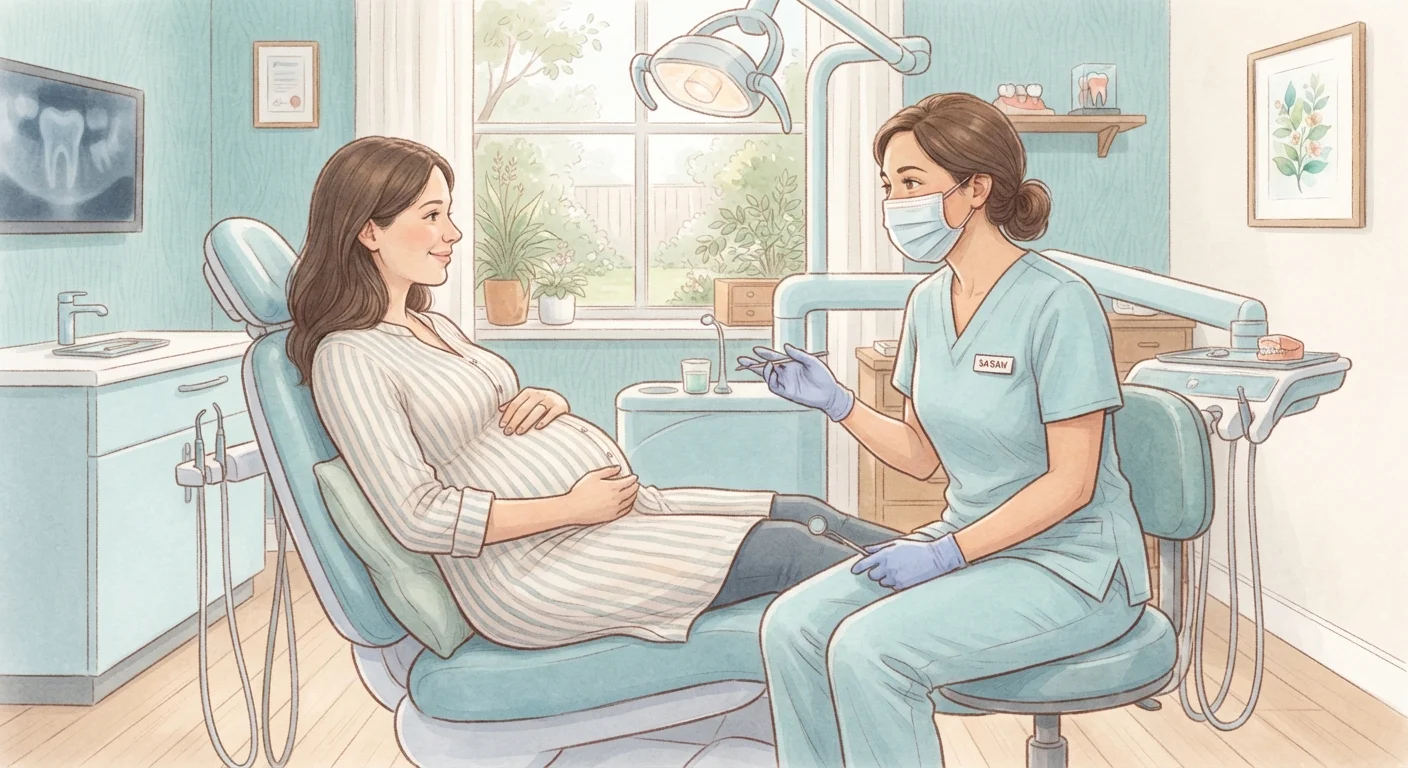
Photo: HerbHealWellness.com | Modern Guide To Wellness editorial
Key Takeaways
- Hormonal changes during pregnancy make gums more vulnerable to inflammation and disease.
- Gum disease during pregnancy has been associated with preterm birth and low birth weight in research studies.
- Routine dental cleanings are considered safe throughout pregnancy and are strongly recommended.
- Bleeding or swollen gums during pregnancy are not normal and warrant professional evaluation.
- Good daily oral hygiene — brushing and flossing — remains the most important protective measure.
Why Pregnancy Changes the Oral Environment
Pregnancy triggers significant hormonal shifts — particularly in estrogen and progesterone — that affect nearly every system in the body, including the mouth. Gum tissue becomes more vascular and more reactive to the bacteria found in dental plaque. The result is that even modest plaque accumulation can trigger a disproportionate inflammatory response, producing the redness, swelling, and bleeding that characterize pregnancy gingivitis.
This heightened sensitivity typically begins in the first trimester and may peak around the second trimester, sometimes persisting until delivery. Nausea and vomiting — common in early pregnancy — can also introduce stomach acid into the mouth repeatedly, wearing down enamel over time. Cravings for sugary or acidic foods and fatigue that disrupts oral hygiene routines compound the challenge.
Systemic changes often show up in the mouth first, and pregnancy is a clear example of how the body's internal environment shapes oral health — not just the other way around.
Oral Health Connects to Whole-Body Health
The Research Linking Gum Disease to Pregnancy Outcomes
Studies over the past two decades have explored whether periodontitis — a more advanced form of gum disease involving bone and tissue loss around the teeth — is associated with adverse pregnancy outcomes. The findings have drawn significant attention from both obstetric and dental communities.
Several observational studies and systematic reviews have found associations between untreated periodontitis and an elevated risk of preterm birth (delivery before 37 weeks), low birth weight, and preeclampsia. One proposed mechanism involves inflammatory mediators such as prostaglandins and interleukins, which are elevated in gum disease and may influence uterine contractility or placental function.
It is important to note that association does not equal causation. Randomized controlled trials examining whether treating gum disease reduces preterm birth rates have produced mixed results — some showing benefit, others showing no significant difference. Researchers continue to investigate whether the relationship is causal, mediated by shared risk factors, or both. What treating gum disease may or may not change systemically is an evolving area of evidence.
60–75%
Pregnant individuals affected by gum inflammation
Estimates from periodontal literature suggest the majority of pregnant people experience some degree of gingivitis during pregnancy.
~10%
Preterm births in the United States
According to the CDC, approximately 1 in 10 babies is born preterm in the U.S., making identification of modifiable risk factors — including oral health — a research priority.
2–3x
Elevated preterm birth risk linked to periodontitis in some studies
Several observational studies have reported that pregnant individuals with severe periodontitis may face a higher relative risk of preterm delivery, though causality remains under investigation.
What Good Oral Care Looks Like During Pregnancy
Despite the complexity of the research, the clinical recommendation is clear: maintaining excellent oral hygiene and attending regular dental visits during pregnancy is important for both maternal and fetal well-being. The American College of Obstetricians and Gynecologists and the American Dental Association both support routine dental care throughout pregnancy.
Practical steps include brushing thoroughly twice daily with a fluoride toothpaste, flossing once daily, and rinsing with water or a fluoride mouth rinse after vomiting episodes to reduce acid exposure. Pregnant individuals should inform their dental provider of their pregnancy status so that treatment timing, medications, and X-ray decisions can be made appropriately. Drug safety considerations change significantly during pregnancy, and this applies to dental anesthetics and antimicrobials as well.
If you notice warning signs in your gums — such as persistent bleeding, swelling, or recession — do not dismiss them as an inevitable side effect of pregnancy. These signs warrant professional evaluation and, if needed, a professional cleaning or periodontal assessment.
Tell Both Your OB and Your Dentist
This article is for general informational purposes only and does not constitute medical or dental advice. Always consult a qualified healthcare provider regarding your individual circumstances during pregnancy.
Frequently Asked Questions
The content on this site is for informational purposes only and is not a substitute for professional advice. Always consult a qualified professional for guidance specific to your situation.