
Delaying Your Eye Exam: The Risks That Build Quietly Over Time

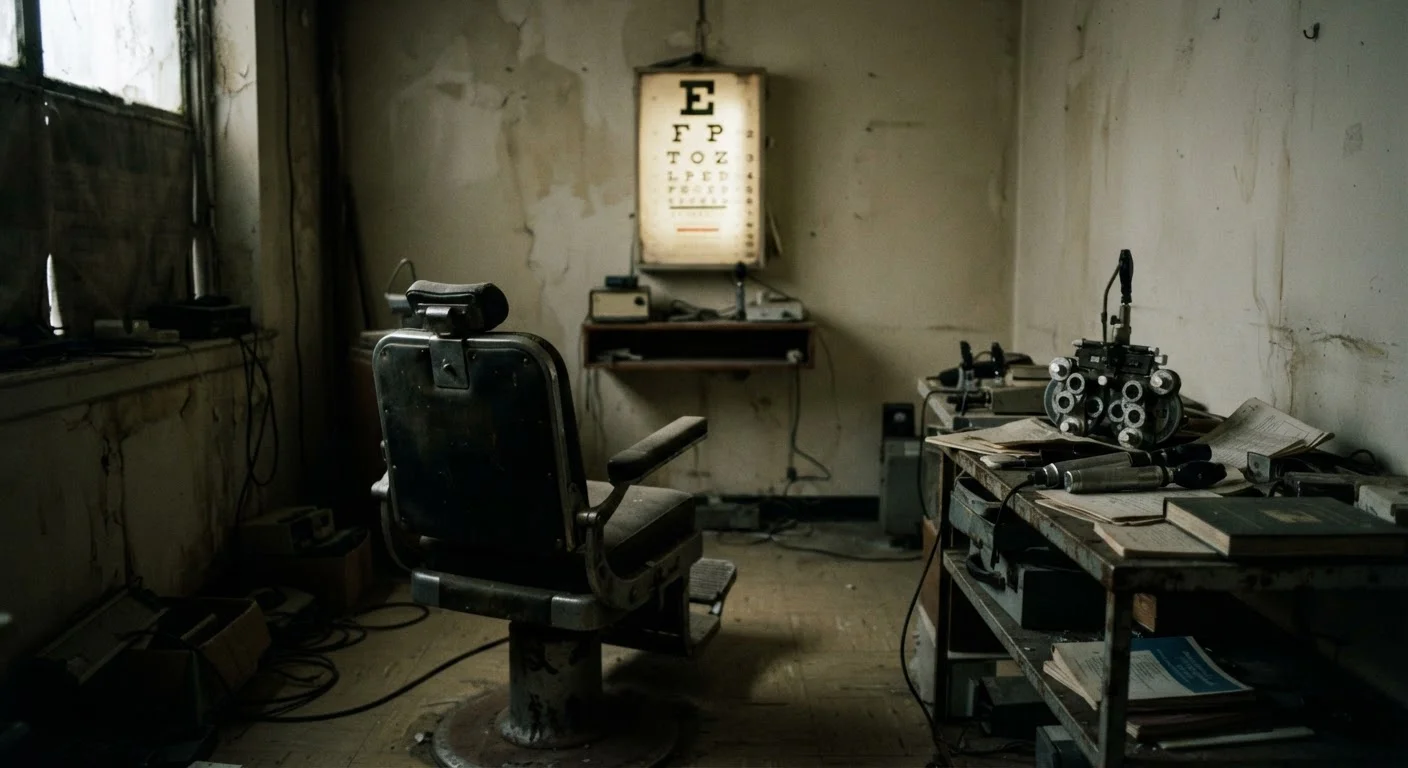
Photo: HerbHealWellness.com | Modern Guide To Wellness editorial
Key Takeaways
- Many serious eye conditions, including glaucoma and diabetic eye disease, cause no noticeable symptoms in early stages.
- Delaying exams allows preventable conditions to progress to a point where treatment becomes less effective.
- Common justifications for skipping exams — clear vision, no symptoms, cost — are frequently misleading.
- Recommended exam frequency varies by age and risk factors; a single schedule does not apply to everyone.
- An eye exam can also reveal systemic health issues such as hypertension or diabetes before other symptoms appear.
Why Skipped Exams Are Rarely as Harmless as They Feel
It is easy to move an eye exam to the back of the priority list, especially when your vision seems perfectly fine. But the absence of symptoms is one of the most misleading signals in eye health. Conditions like glaucoma, early-stage macular degeneration, and diabetic retinopathy can strip away vision gradually and silently, well before a person notices anything is wrong.
Routine eye exams are the primary tool clinicians use to detect these changes at a stage when intervention is still meaningful. The Eye Exam & Prevention hub outlines why consistent preventive habits form the foundation of lasting vision health. For a deeper look at why so many conditions go undetected without regular checks, see our article on silent vision loss and conditions with no early symptoms.
Assuming good vision means no exam is necessary.
Postponing exams indefinitely after a single symptom-free visit.
Using cost or insurance gaps as a reason to skip exams entirely.
Not accounting for changes in risk status since the last exam.
Dismissing subtle vision changes as normal aging without professional evaluation.
The Compounding Cost of Waiting
Every missed exam is not simply a neutral gap — it is a window during which a developing condition goes unmonitored. Glaucoma, for example, causes permanent optic nerve damage that cannot be reversed; treatment can only slow or halt further loss. The longer damage accumulates undetected, the narrower the treatment window becomes.
~3M
Americans with undiagnosed glaucoma
The Glaucoma Research Foundation estimates that roughly half of all people with glaucoma in the United States are unaware they have it.
90%
Diabetic blindness cases considered preventable
According to the National Eye Institute, early detection and timely treatment can prevent up to 90% of severe vision loss associated with diabetic eye disease.
The same logic applies to prescription accuracy. Uncorrected or under-corrected refractive errors in children can impair visual development during critical years. In adults, working with an outdated prescription can contribute to headaches, eye strain, and reduced quality of life — problems that are straightforward to address but easy to misattribute to other causes.
Eye exams can also surface systemic health signals. Clinicians routinely observe signs of elevated blood pressure, diabetes, and even some neurological conditions during a thorough fundus examination. Skipping the exam means skipping that secondary safety check as well.
High-Risk Groups Face Greater Stakes
If you experience sudden changes — floaters, flashes of light, a curtain across your vision, or unexplained eye pain — do not wait for a scheduled appointment. Our guide on warning signs between eye exams that warrant prompt attention explains which symptoms call for urgent evaluation.
Unsure how often you should actually be seen? Recommendations differ significantly based on age and underlying risk factors. See our eye exam frequency by age and risk factor reference for personalized guidance.
This article is for general informational purposes only and does not constitute medical advice. Please consult a qualified eye care professional to assess your individual vision health needs.
The content on this site is for informational purposes only and is not a substitute for professional advice. Always consult a qualified professional for guidance specific to your situation.