
Eye Exam Frequency by Age and Risk Factor

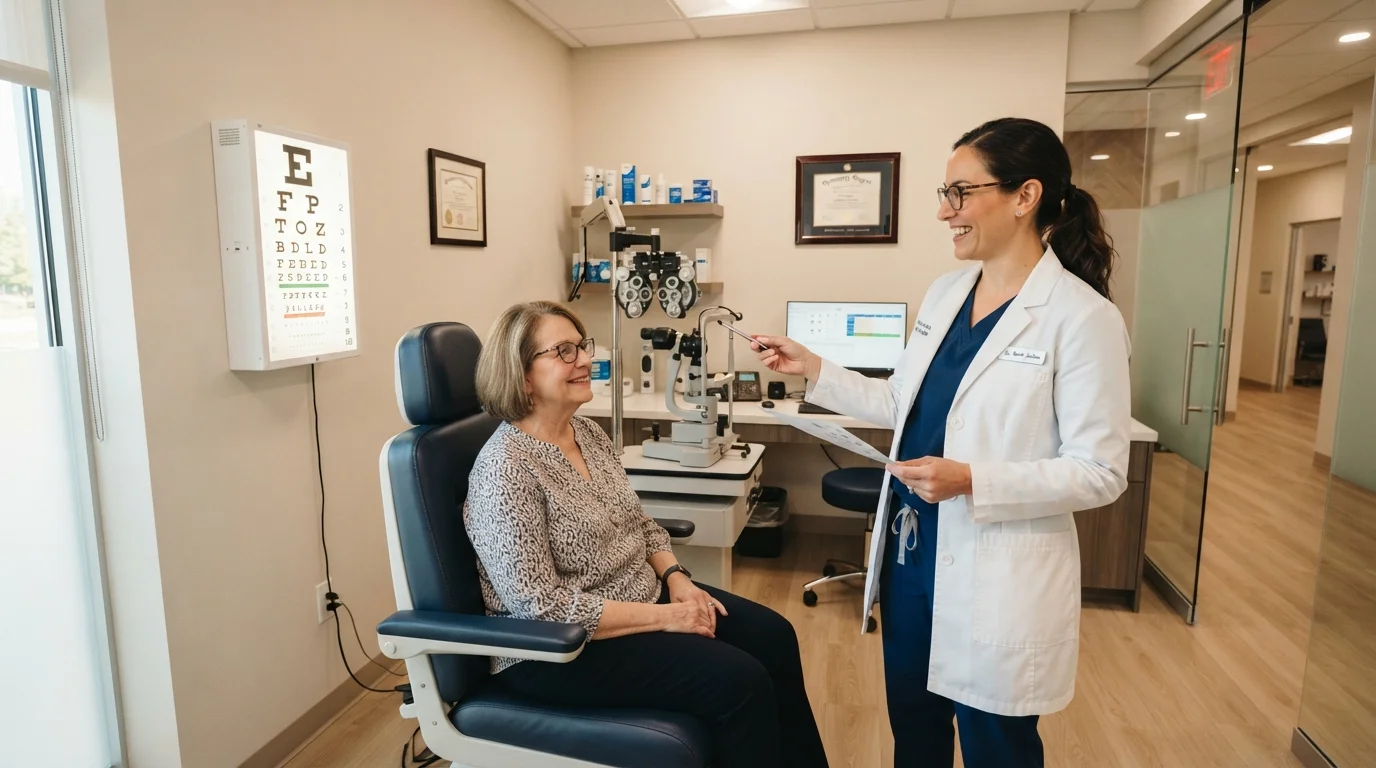
Photo: HerbHealWellness.com | Modern Guide To Wellness editorial
Why Exam Frequency Isn't One-Size-Fits-All
How often you need an eye exam depends on three converging factors: your age, your current vision status, and any underlying health or genetic conditions that raise your risk for eye disease. A healthy 25-year-old with no glasses needs less frequent monitoring than a 60-year-old managing diabetes — and the gap between those schedules is deliberate, not arbitrary.
The guidelines below reflect recommendations from major optometric and ophthalmologic organizations. Because individual circumstances vary, your eye care provider may adjust these intervals based on your clinical history. This content is general health information and is not a substitute for personalized professional advice.
| First recommended exam (infants) | Between 6–12 months of age (American Optometric Association) |
| School-age exam frequency | Annually (ages 6–17) (American Optometric Association) |
| Low-risk adults (18–64) | Every 1–2 years (American Academy of Ophthalmology) |
| Adults 65 and older | Annually (American Academy of Ophthalmology) |
| Adults with diabetes | At least annually (dilated exam) (American Diabetes Association) |
| Contact lens wearers | Annually regardless of age (General optometric guidance) |
Recommended Intervals by Age Group
Infants and toddlers (birth to 24 months): A first comprehensive eye exam is generally recommended between 6 and 12 months of age. Pediatric vision screening at well-child visits can catch certain issues, but a full exam by an eye care professional offers a more thorough baseline. See our guide to preparing for a child's first eye exam for what to expect.
Preschool (ages 3–5): At least one exam before starting school is recommended. Undetected conditions like amblyopia (lazy eye) or strabismus (eye misalignment) are far more treatable when caught early. Learn more about common childhood eye conditions.
School age through adolescence (6–17): Annual exams are commonly advised, particularly because vision changes frequently during growth years and uncorrected refractive errors can affect academic performance.
Adults with no known risk factors (18–64): Every one to two years is a typical recommendation for adults with healthy eyes and no corrective lenses. Those who wear glasses or contact lenses generally benefit from annual visits to ensure their prescription remains accurate.
Adults aged 65 and older: Annual comprehensive eye exams are strongly recommended. Age-related conditions — including cataracts, glaucoma, and macular degeneration — become meaningfully more prevalent after 60. Protecting eye health as you age covers what shifts to anticipate and monitor.
Elevated Risk: When to Exam More Frequently
Certain medical and demographic factors justify more frequent monitoring, often annually regardless of age. Discuss your personal risk profile with your provider.
Dilated eye exam
An examination in which eye drops are used to widen (dilate) the pupil, giving the provider a wider view of the retina and optic nerve. It is essential for detecting conditions like diabetic retinopathy and macular degeneration.
Intraocular pressure (IOP)
The fluid pressure inside the eye. Elevated IOP is a primary risk factor for glaucoma and is measured routinely during comprehensive eye exams.
Refractive error
A common vision condition — including nearsightedness, farsightedness, and astigmatism — caused by the eye not bending light correctly. Refractive errors are corrected with glasses, contact lenses, or refractive surgery.
Amblyopia
Sometimes called lazy eye, amblyopia occurs when one eye develops weaker visual acuity than the other, often beginning in childhood. Early detection significantly improves treatment outcomes.
- Diabetes: Diabetic retinopathy is a leading cause of preventable vision loss in US adults. Annual dilated eye exams are broadly recommended for anyone with Type 1 or Type 2 diabetes.
- Hypertension: Elevated blood pressure can damage retinal blood vessels. Routine exams help detect hypertensive retinopathy before symptoms appear.
- Family history of glaucoma: First-degree relatives of someone with glaucoma face a significantly higher lifetime risk. More frequent intraocular pressure and optic nerve assessments are commonly advised.
- High myopia (severe nearsightedness): High myopia increases the risk of retinal detachment, glaucoma, and early-onset cataracts. Annual monitoring is typically recommended.
- Steroid medication use: Prolonged corticosteroid use (oral, inhaled, or topical) can raise the risk of cataracts and elevated eye pressure. Patients on long-term steroids should discuss exam frequency with both their prescribing physician and eye care provider.
- Prior eye surgery or injury: Post-surgical or post-trauma eyes require individualized follow-up schedules set by the treating clinician.
If you experience sudden vision changes, floaters, flashes of light, or eye pain between scheduled exams, do not wait for your next appointment. Know which symptoms warrant prompt evaluation.
Screenings Are Not the Same as Comprehensive Exams
This article provides general health information only and is not medical advice. Always consult a qualified eye care professional to determine the exam schedule most appropriate for your individual circumstances.
The content on this site is for informational purposes only and is not a substitute for professional advice. Always consult a qualified professional for guidance specific to your situation.