
Silent Vision Loss: Why Eye Conditions Often Have No Early Symptoms

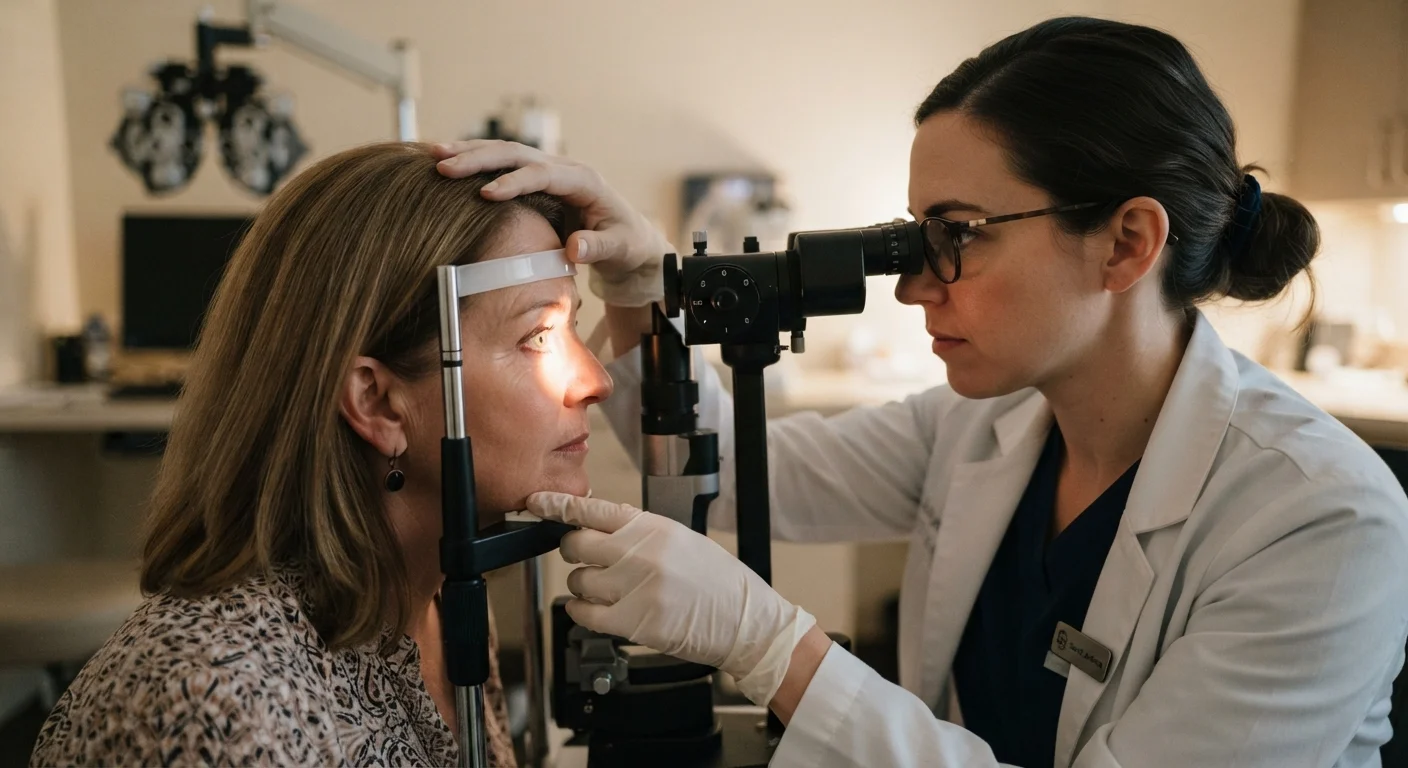
Photo: HerbHealWellness.com | Modern Guide To Wellness editorial
Key Takeaways
- Several serious eye conditions, including glaucoma and diabetic retinopathy, can cause permanent damage before any symptoms appear.
- The brain compensates for gradual vision loss, making self-detection unreliable without professional examination.
- Routine dilated eye exams are the primary tool for catching silent conditions early.
- Risk factors like diabetes, family history, and age increase the likelihood of asymptomatic eye disease.
- Early detection dramatically improves the ability to slow or prevent further vision loss.
Why the Eyes Can Lose Ground Without Warning
Most people associate vision problems with obvious signs — blurry sight, eye pain, or difficulty reading. Yet some of the most damaging eye conditions follow a very different path. They progress silently, eroding vision gradually while producing no discomfort and few, if any, noticeable changes until the damage is already significant.
The reason lies in how the visual system compensates. When one area of the retina or visual field deteriorates slowly, the brain fills in the gaps, a process called neural adaptation. This compensation is remarkably effective — and remarkably deceptive. People often describe no awareness of a problem until a condition is well advanced. Delaying routine exams allows this quiet damage to compound over time, often narrowing the window for effective intervention.
~50%
Glaucoma cases undiagnosed in the US
According to the Glaucoma Research Foundation, approximately half of people with glaucoma in the United States are unaware they have the condition.
90%
Diabetic blindness cases considered preventable
The American Academy of Ophthalmology notes that up to 90% of diabetes-related blindness may be preventable with timely detection and treatment.
11 million
Americans with age-related macular degeneration
The American Macular Degeneration Foundation estimates that more than 11 million Americans have some form of AMD, many of whom are in the asymptomatic early stage.
Conditions Known for Symptom-Free Progression
Glaucoma is frequently called the "silent thief of sight." The most common form, open-angle glaucoma, involves a gradual increase in intraocular pressure that damages the optic nerve over months or years. Peripheral vision deteriorates first — the area least likely to draw conscious attention — and central vision may not be affected until disease is advanced. Learn more about the broader landscape of common eye conditions that share this silent pattern.
Diabetic retinopathy follows a similarly quiet course. High blood sugar damages the tiny blood vessels supplying the retina, but early and moderate stages rarely produce visual symptoms. By the time a person notices changes, the condition may have progressed to a stage requiring more aggressive treatment. People with diabetes face higher stakes and are typically advised to have dilated retinal exams annually.
Age-related macular degeneration (AMD) in its early form is often detected only through imaging, with no functional vision loss yet present. Understanding how AMD develops from early drusen deposits to advanced stages underscores why monitoring matters long before symptoms emerge.
What a Routine Eye Exam Actually Detects
A comprehensive eye exam does far more than determine a glasses prescription. When the pupils are dilated, an eye care professional can directly visualize the optic nerve, retina, and blood vessels — structures that reveal disease long before symptoms arise. Tonometry measures intraocular pressure to screen for glaucoma risk, while optical coherence tomography (OCT) can detect microscopic retinal changes invisible to the naked eye.
This is why the common belief that "good vision means healthy eyes" is one of the most dangerous misconceptions in eye care. Eye exam myths like this one delay diagnosis for conditions that are far more manageable when caught early. Visual acuity — the sharpness measured by a letter chart — is only one data point among many.
Know Your Risk Factors Before Symptoms Appear
For children, the stakes are equally high. Amblyopia and certain refractive errors can impair visual development without any complaint from the child. Recognizing vision problems in children early makes a measurable difference in outcomes.
Knowing When Not to Wait for Your Next Scheduled Visit
While routine exams are the foundation of silent disease detection, certain symptoms should prompt immediate attention rather than waiting for a scheduled appointment. Sudden floaters, flashes of light, a curtain across the visual field, or abrupt blurriness are signals that something may be happening acutely. Knowing which symptoms warrant urgent evaluation is just as important as keeping regular appointments.
In contrast to silent progressive conditions, some presentations — like a sudden increase in floaters — can indicate a retinal tear or detachment requiring same-day evaluation. Understanding what floaters and flashes signal helps readers distinguish the routine from the urgent.
This article is for general informational purposes only and does not constitute medical advice. For concerns about your vision or eye health, please consult a qualified eye care professional.
Frequently Asked Questions
The content on this site is for informational purposes only and is not a substitute for professional advice. Always consult a qualified professional for guidance specific to your situation.