
Eye Exam Myths That Delay Necessary Care

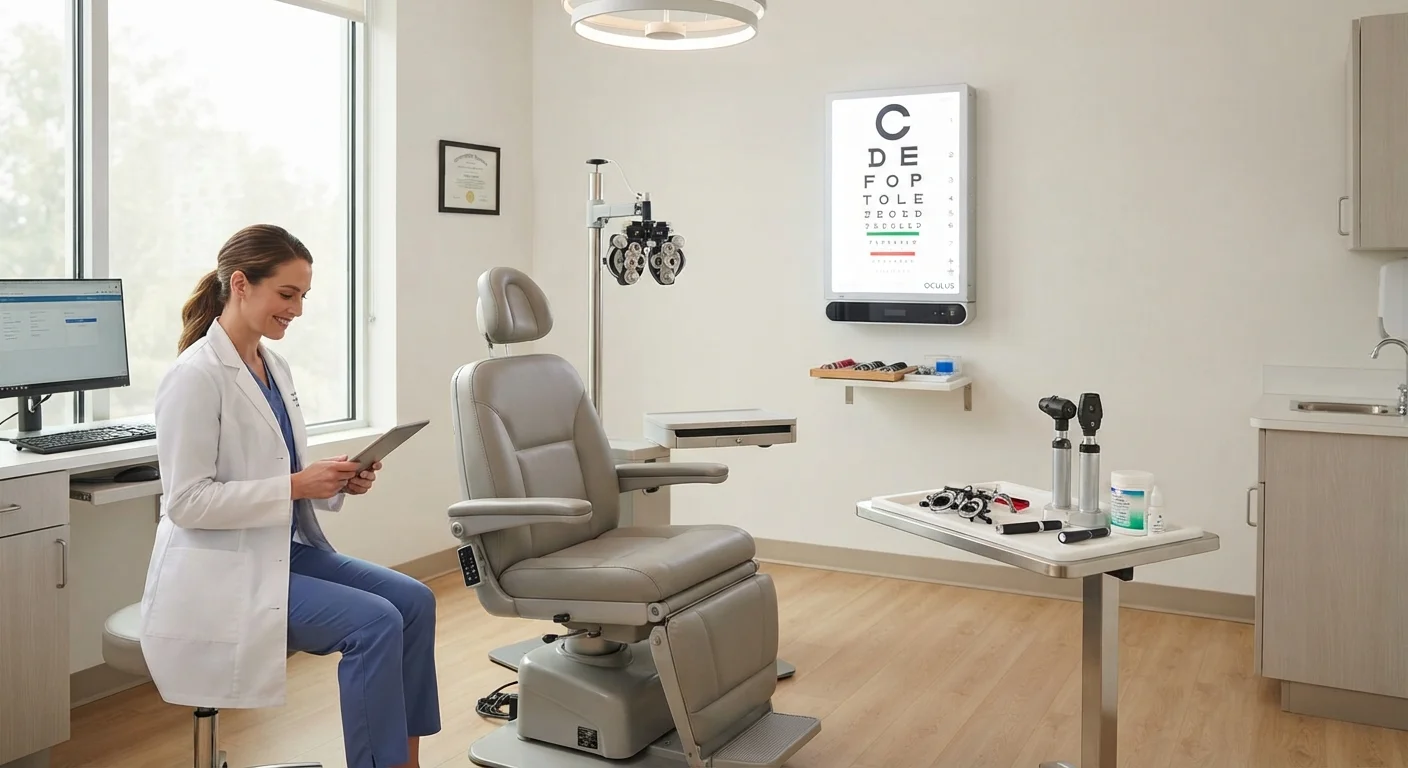
Photo: HerbHealWellness.com | Modern Guide To Wellness editorial
Key Takeaways
- Clear vision does not mean your eyes are healthy — many serious conditions have no early symptoms.
- Children, adults, and seniors all benefit from age-appropriate routine eye exam schedules.
- A vision screening at school or work is not a substitute for a comprehensive eye exam.
- Eye exams detect systemic health issues like diabetes and hypertension, not just vision problems.
- Skipping exams due to cost or convenience can allow silent conditions to reach irreversible stages.
Why Myths About Eye Exams Are Especially Costly
Health misconceptions are common, but in eye care they carry a particular danger: many of the conditions that routine exams detect have no pain, no obvious vision disturbance, and no warning until damage is advanced. Unlike a persistent cough or an aching joint, silent vision loss offers no natural alarm system. Beliefs that delay or eliminate regular eye exams therefore don't just lead to suboptimal care — they can allow irreversible harm to accumulate quietly over years.
The myths below are among the most widespread. Each one reflects a plausible-sounding logic that, on closer examination, doesn't hold up against how eye disease actually behaves. Understanding where these beliefs go wrong is the first step toward building a genuinely proactive approach to eye health. For a deeper look at why the stakes are high, see our article on the risks that build when eye exams are delayed.
Myth
If my vision seems fine, I don't need an eye exam.
Fact
Many serious eye conditions — including glaucoma and diabetic eye disease — cause no noticeable symptoms until significant, often irreversible, damage has occurred.
This is the most pervasive myth in eye care, and it carries real consequences. Conditions like glaucoma, macular degeneration in its early stages, and diabetic retinopathy can quietly destroy vision over months or years before a person notices anything is wrong. By the time symptoms appear, treatment options may be limited. A comprehensive eye exam allows an eye care provider to detect structural changes, pressure abnormalities, and retinal damage that no amount of self-assessment can reveal. See our guide to silent vision loss for a closer look at why clear vision is not a reliable indicator of eye health.
Myth
Passing a vision screening means my eyes are healthy.
Fact
Vision screenings test only a narrow range of visual function and cannot detect the majority of eye diseases.
School or workplace screenings typically assess distance visual acuity — whether you can read a letter chart at 20 feet. They are not designed to evaluate eye pressure, retinal health, peripheral vision, or the internal structures of the eye. A child can pass every school screening and still have amblyopia, early-stage strabismus, or color vision deficiency. Adults can sail through a workplace check and be unaware of early glaucoma. Understanding the difference between a screening and a comprehensive exam is essential to making informed decisions about your care.
Myth
Children only need an eye exam if their teacher notices a problem.
Fact
Vision problems in children are common, often subtle, and can significantly affect learning and development well before a teacher suspects anything.
Children rarely complain about vision difficulties because they assume their visual experience is normal — they have no baseline for comparison. Conditions like amblyopia (lazy eye) are most treatable when identified before age seven, but a child with the condition may appear to function normally in the classroom. Major pediatric and optometric organizations recommend a first comprehensive eye exam around age one, again between ages three and five, and then annually once school-age. Waiting for a behavioral cue from a teacher means waiting too long.
Myth
Eye exams are only necessary when something feels wrong.
Fact
Routine exams are preventive, not reactive — they establish baselines and catch changes before they become problems.
Relying on symptoms to trigger an exam is like only visiting a dentist when a tooth hurts. A comprehensive eye exam establishes a record of your eye health over time, so that meaningful changes — in optic nerve appearance, retinal vessel patterns, or intraocular pressure — can be identified early. Eye care providers also use the exam to detect signs of systemic conditions such as hypertension and diabetes, sometimes before a patient's primary care provider has flagged them. That said, certain symptoms between scheduled exams — such as sudden floaters, flashes of light, or unexplained blurriness — should prompt urgent evaluation rather than waiting.
Myth
Glasses or contacts correct the problem, so I no longer need regular exams.
Fact
A prescription addresses refractive error only; it does not protect against or treat eye disease.
Wearing corrective lenses improves the clarity of your vision but does nothing to monitor or prevent the range of conditions that comprehensive exams are designed to detect. Prescriptions also change over time, and an outdated prescription can cause unnecessary eye strain. Regular exams ensure your correction remains accurate and that eye health is actively monitored. If you have questions about how refractive error relates to overall vision health, our overview of vision correction options provides useful context.
Myth
Older adults expect vision loss, so exams matter less with age.
Fact
The risk of sight-threatening conditions increases significantly with age, making regular exams more important — not less.
Age is among the strongest risk factors for glaucoma, age-related macular degeneration, cataracts, and diabetic retinopathy. Many of these conditions are highly manageable when detected early and can lead to permanent vision loss if left unaddressed. Adults over 60 are generally advised to have annual comprehensive exams. The assumption that declining vision is simply an inevitable part of aging can prevent people from seeking treatment that genuinely preserves functional sight. Explore common eye conditions to understand what older adults are most at risk for and when to seek care.
What Holds People Back — and What It Actually Costs
Even readers who recognize these myths intellectually may still find themselves postponing exams. Cost, limited access, and the simple absence of perceived symptoms are among the most frequently cited reasons. These are real barriers, and addressing them honestly matters.
Don't Rely on Symptoms Alone
What's often underestimated is the compounding nature of delay. An eye condition identified at an early stage is generally less expensive and less invasive to treat than one detected late. Vision loss that results from prolonged inaction may not be reversible at all. A frank look at why people skip exams and what follows explores both the structural barriers and the practical steps that can help.
This article is for general informational and educational purposes only and is not a substitute for professional medical or optometric advice. If you have concerns about your eye health, consult a qualified eye care provider.
The content on this site is for informational purposes only and is not a substitute for professional advice. Always consult a qualified professional for guidance specific to your situation.