
Reasons People Skip Eye Exams — and the Risks That Follow

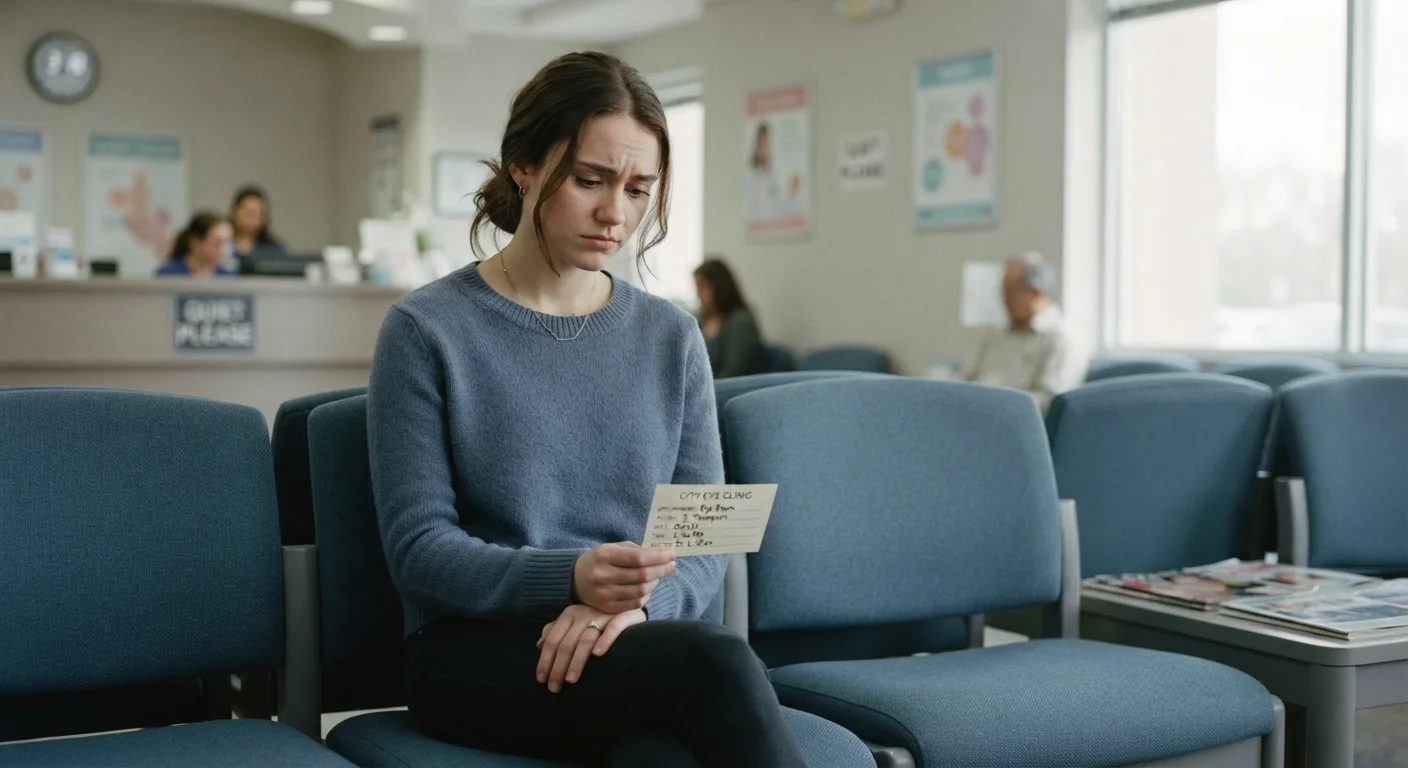
Photo: HerbHealWellness.com | Modern Guide To Wellness editorial
Key Takeaways
- Many serious eye conditions develop silently, making routine exams essential even when vision feels normal.
- Cost, convenience, and lack of perceived symptoms are the most common reasons people skip eye exams.
- Missing exams can delay diagnosis of conditions like glaucoma, diabetic retinopathy, and macular degeneration.
- Most access and cost barriers have practical solutions, including vision insurance, community clinics, and flexible scheduling.
- Adults with no known risk factors are generally advised to have a comprehensive exam every one to two years.
Why Skipping Eye Exams Is a Riskier Choice Than It Feels
For most people, skipping an eye exam does not feel like a consequential decision. Vision seems stable, life is busy, and the appointment keeps getting pushed back. Yet this pattern carries real risk — and the consequences often don't become apparent until they are difficult to reverse.
Several of the most serious eye conditions produce no early symptoms, including glaucoma, diabetic retinopathy, and early-stage macular degeneration. By the time these conditions cause noticeable changes in daily vision, meaningful damage may already be present. A comprehensive eye exam remains the primary tool for detecting them at a stage when intervention is most effective.
Symptom-Free Does Not Mean Risk-Free
This article outlines the most common reasons people avoid or delay eye exams, why each reason tends to persist, and what steps can realistically address it. If you've encountered persistent beliefs that exams aren't necessary, our related coverage on eye exam myths that delay necessary care addresses those directly.
Common Mistakes That Lead to Skipped Exams
Skipping exams because vision seems fine and no symptoms are present.
Putting off scheduling because of cost concerns or lack of vision insurance.
Assuming children only need vision screenings at school, not full eye exams.
Letting a lapsed prescription substitute for a full comprehensive exam.
Deprioritizing exams after a period without vision complaints, especially after a normal result.
93M+
U.S. adults at high risk for vision loss
The CDC estimates over 93 million U.S. adults are at high risk for serious vision loss, yet fewer than half report having a dilated eye exam in the past year.
50%
Vision loss cases that are preventable
According to the CDC, approximately half of all vision loss in the United States is considered preventable with timely detection and treatment.
Each of these patterns is understandable — and each is correctable. The risks they create, however, compound quietly over time. Our in-depth look at how delayed exams allow risks to build explores what can develop when routine care is repeatedly postponed.
Addressing Barriers and Building a Sustainable Eye Care Routine
Most barriers to eye care — cost, time, and uncertainty about need — are addressable with the right information. If you have a chronic condition such as diabetes or a family history of glaucoma, discuss exam frequency directly with your provider, as higher-risk individuals may need more frequent monitoring than the general population. Consult a healthcare professional before making decisions about your own care schedule.
Certain Symptoms Cannot Wait
Adults who have never experienced vision problems are still advised to establish baseline eye health records before problems arise. The range of conditions that can affect eye health is broad, and many develop gradually across years rather than suddenly. Routine exams are the mechanism that keeps that progression visible to a qualified clinician — not to the patient.
This article is for informational purposes only and does not constitute medical advice. Always consult a qualified eye care professional for guidance tailored to your individual health history and needs.
The content on this site is for informational purposes only and is not a substitute for professional advice. Always consult a qualified professional for guidance specific to your situation.