
Orthokeratology: The Overnight Lens Approach to Temporary Vision Correction

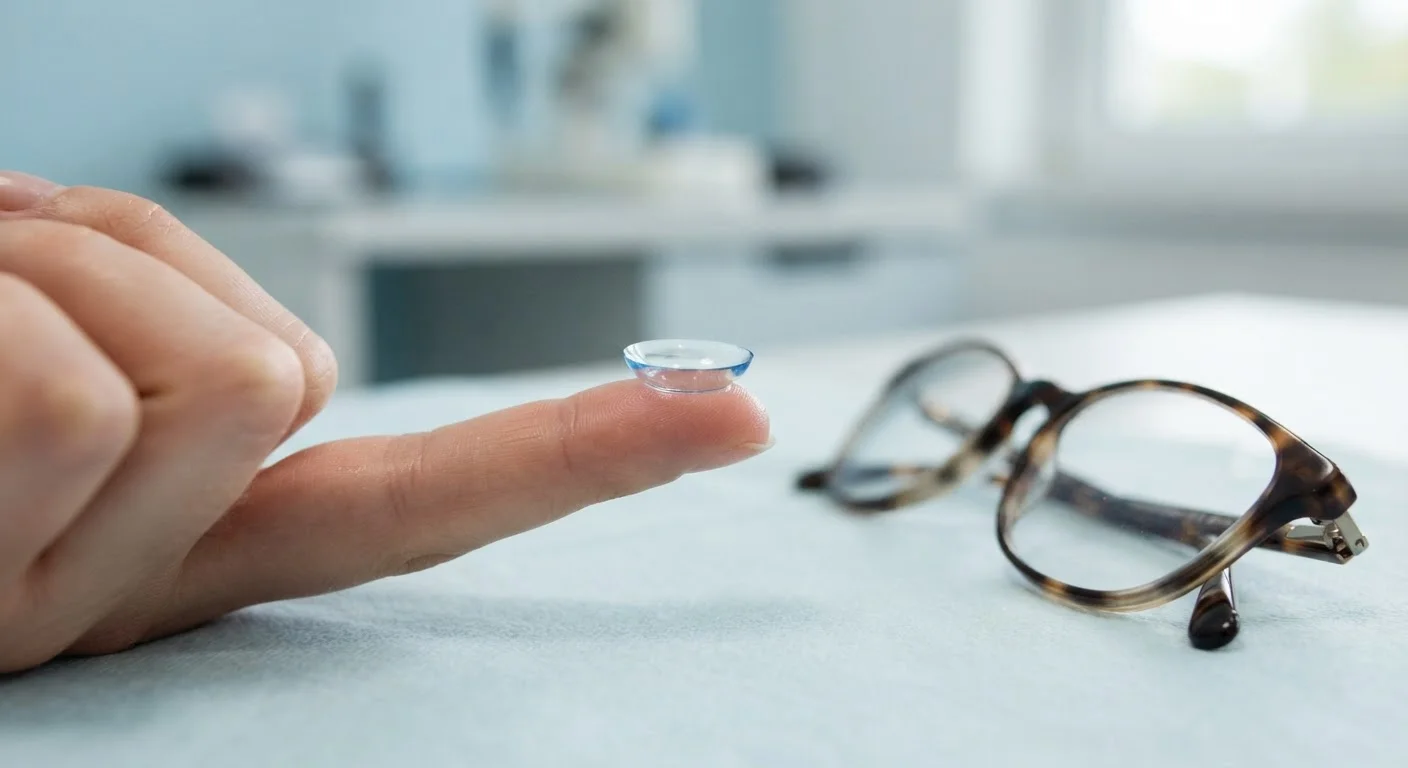
Photo: HerbHealWellness.com | Modern Guide To Wellness editorial
Key Takeaways
- Ortho-k lenses reshape the cornea overnight, providing temporary clear vision without daytime glasses or contacts.
- The correction is reversible — the cornea returns to its natural shape when lens wear stops.
- Ortho-k is most effective for mild to moderate myopia (nearsightedness).
- Evidence suggests ortho-k may help slow myopia progression in children and teens.
- Proper fitting by an eye care professional and strict lens hygiene are essential for safe use.
- Ortho-k is not a permanent fix and does not replace surgical correction options.
How Ortho-K Lenses Work
The cornea — the clear, dome-shaped front surface of the eye — plays a major role in focusing light onto the retina. In people with myopia (nearsightedness), the cornea is typically too steep, causing distant objects to appear blurry. Orthokeratology addresses this by using precisely engineered rigid gas-permeable lenses to apply gentle, controlled pressure to the corneal surface during sleep.
While you sleep, the lens gradually flattens the central cornea by redistributing epithelial cells — the outermost layer of corneal tissue. By morning, this temporary reshaping alters how light enters the eye, allowing clearer distance vision without corrective lenses during the day. The lenses are removed upon waking and are not worn during waking hours.
Lens design is highly individualized. Eye care professionals use corneal topography — a detailed 3D map of the corneal surface — to create a customized lens that matches your unique eye shape and refractive error. For a broader look at how ortho-k fits alongside other correction methods, see Glasses, Contact Lenses, and Surgery: Navigating Your Vision Correction Choices.
~45%
Myopia progression reduction reported with ortho-k
A meta-analysis published in peer-reviewed optometry literature suggests ortho-k may reduce myopia progression by approximately 45% compared to single-vision spectacles in children.
-6.00 D
Typical upper myopia limit for ortho-k candidacy
Most clinical guidelines and lens manufacturers consider mild to moderate myopia up to around -6.00 diopters as the practical range for effective orthokeratology correction.
1–2 weeks
Average time to reach optimal daytime clarity
Eye care professionals generally report that most patients achieve their best corrected daytime vision after one to two weeks of consistent nightly ortho-k lens wear.
Who Is a Good Candidate?
Ortho-k is most effective for people with mild to moderate myopia — typically up to around -6.00 diopters — and mild astigmatism. It is not generally recommended for severe refractive errors, as the degree of achievable correction has limits. People with hyperopia (farsightedness) have fewer established options with ortho-k, though research in this area continues.
One of ortho-k's most discussed applications is myopia control in children and teenagers. Myopia tends to progress during childhood as the eye grows, and several clinical studies suggest ortho-k may help slow this progression compared to standard glasses or soft lenses. This makes it a consideration for younger patients whose prescriptions are still changing, though parents should discuss the evidence and monitoring requirements with a qualified eye care professional.
Adults who want to be free of daytime lenses for sports, outdoor activities, or professional reasons — but who are not ready for or eligible for surgery — may also find ortho-k appealing. For context on how ortho-k compares to other lens types, our Contact Lens Types at a Glance covers the broader landscape.
Ortho-K Is Not for Everyone
Benefits, Limitations, and Safety Considerations
The primary appeal of ortho-k is freedom from daytime eyewear without permanent alteration of the eye. Because the effect is fully reversible, wearers who discontinue the lenses can return to their baseline vision within days. This distinguishes ortho-k from surgical approaches such as LASIK or the procedures described in our article on surgical vision correction beyond LASIK.
“Orthokeratology is one of the few non-surgical interventions with a meaningful body of evidence supporting both daytime vision freedom and myopia control in young patients. Patient selection and professional follow-up are the keys to safe, effective outcomes.”
— American Academy of Optometry, Professional organization representing optometric research and clinical practice
Safety requires consistent hygiene. Sleeping in any contact lens creates a warmer, less oxygenated environment that can increase infection risk. Microbial keratitis — a serious corneal infection — is the most significant risk associated with ortho-k. Studies suggest this risk is manageable with proper lens cleaning, storage, and regular professional monitoring, but it should not be taken lightly. Parents overseeing ortho-k use in children carry additional responsibility for daily hygiene routines.
Ortho-k is also an ongoing commitment: lenses must be worn every night (or as directed by your provider) to maintain the effect. Costs include the initial fitting, custom lenses, and follow-up visits, which vary by provider. It is not a one-time investment in the way surgery can be.
This article is for informational purposes only and does not constitute medical advice. Always consult a qualified eye care professional regarding your personal vision health and treatment options.
Frequently Asked Questions
The content on this site is for informational purposes only and is not a substitute for professional advice. Always consult a qualified professional for guidance specific to your situation.