
Common Respiratory Infections at a Glance

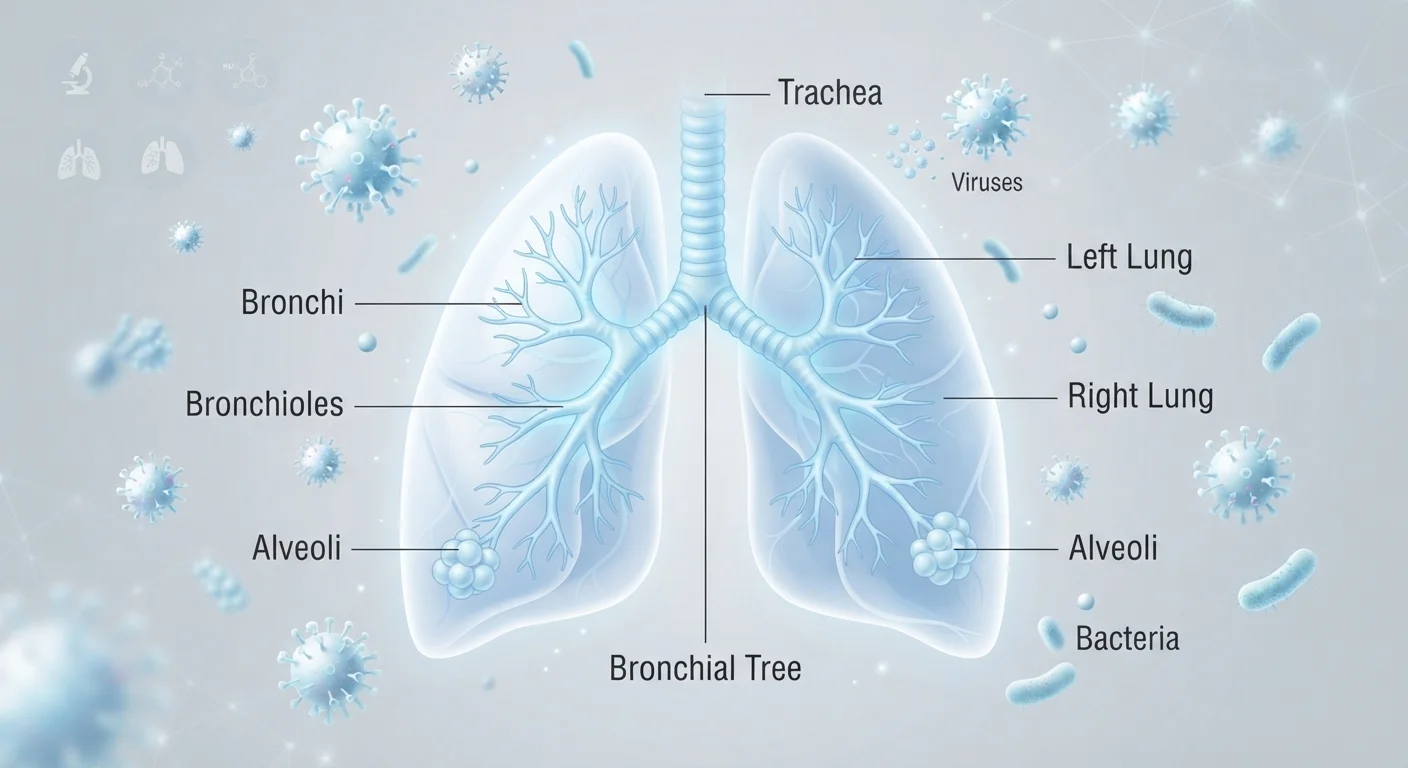
Photo: HerbHealWellness.com | Modern Guide To Wellness editorial
Five Respiratory Infections Worth Knowing
Respiratory infections are among the most frequently diagnosed illnesses in the United States, spanning a spectrum from short-lived nuisances to serious conditions requiring hospitalization. Understanding how these infections spread is a useful starting point. Below is a concise overview of the five most clinically significant respiratory infections that affect the general adult population.
| Most Common Cause of Respiratory Infections | Viruses (rhinovirus, influenza, RSV, SARS-CoV-2) (CDC, general clinical consensus) |
| Influenza Contagious Period | 1 day before symptoms to 5–7 days after onset (CDC Influenza Guidance) |
| COVID-19 Incubation Range | 2–14 days (typically 3–5 days for Omicron variants) (CDC, WHO variant tracking data) |
| RSV Peak Risk Groups | Infants under 6 months and adults over 65 (CDC RSV Information) |
| Pneumonia Causes | Bacterial (most common: S. pneumoniae), viral, or fungal (American Lung Association) |
| Typical Cold Duration | 7–10 days in otherwise healthy adults (NIH/NIAID general guidance) |
Common Cold (Rhinovirus and Others)
The common cold is caused by more than 200 different viruses — rhinoviruses being the most frequent culprits. It primarily affects the upper respiratory tract (nose, throat, and sinuses). Symptoms include runny nose, sneezing, mild sore throat, and low-grade or no fever. Most healthy adults recover within 7–10 days without medical intervention. Antibiotics are not effective against viral colds.
Influenza (Flu)
Influenza A and B viruses cause a more abrupt and often more severe illness than a typical cold. Onset is rapid and commonly includes high fever, body aches, fatigue, dry cough, and headache. Flu can lead to serious complications — including bacterial superinfection and pneumonia — particularly in older adults, young children, and people with underlying health conditions. Annual vaccination is the primary recommended preventive strategy.
Respiratory Syncytial Virus (RSV)
RSV presents like a mild cold in most healthy adults but can cause bronchiolitis (inflammation of small airways) and pneumonia in infants and older adults. Infants under six months and immunocompromised individuals face the greatest risk of severe illness. There are now approved RSV vaccines for adults 60 and older; discuss eligibility with a healthcare provider.
COVID-19 (SARS-CoV-2)
COVID-19 is caused by the SARS-CoV-2 coronavirus and ranges from asymptomatic infection to severe pneumonia and multi-organ involvement. Common symptoms include fever, cough, fatigue, and loss of taste or smell, though presentations vary widely by variant and individual immune status. Long COVID — persistent symptoms lasting weeks or months after acute infection — affects a clinically significant portion of those infected.
Pneumonia
Unlike the conditions above, pneumonia is not a single illness but an infection of the lung tissue itself, caused by bacteria, viruses, or fungi. Streptococcus pneumoniae is the most common bacterial cause. Symptoms include productive cough, chest pain, fever, chills, and shortness of breath. Diagnosis typically requires a clinical exam and chest imaging. There is also a meaningful link between oral health and pneumonia risk — oral bacteria can be aspirated into the lungs, as described in our related article on respiratory health and oral hygiene.
Key Differences and What to Expect
1 billion
Estimated annual common cold cases in the US
According to the NIH, adults average 2–3 colds per year, with children experiencing even more.
~900,000
Americans hospitalized for pneumonia annually
The American Lung Association estimates nearly 1 million hospitalizations from pneumonia each year in the United States.
Top 3
Respiratory illnesses among leading causes of US hospitalizations
Influenza, RSV, and COVID-19 consistently rank among the top drivers of respiratory-related hospital admissions, per CDC surveillance data.
While these infections share overlapping symptoms — cough, fever, fatigue — several distinctions help differentiate them in practice. Speed of onset, fever severity, and which part of the airway is affected are useful orienting factors.
Pathogen
A microorganism — such as a virus, bacterium, or fungus — capable of causing disease in a host. Most common respiratory infections are caused by viruses or bacteria.
Incubation Period
The time between exposure to a pathogen and the first appearance of symptoms. During this window, a person may not yet feel sick but can sometimes still be contagious.
Lower Respiratory Tract
The portion of the airway that includes the bronchi, bronchioles, and lungs. Infections here — such as pneumonia or bronchitis — tend to be more serious than upper respiratory illnesses.
Contagious Period
The span of time during which an infected person can transmit a pathogen to others. This varies significantly by illness and individual.
Bacterial Superinfection
A secondary bacterial infection that develops during or after a viral illness, such as bacterial pneumonia following influenza. It can worsen the overall illness significantly.
Most viral respiratory infections do not require antiviral treatment in otherwise healthy adults and resolve with rest, adequate hydration, and symptom management. However, antivirals are available for influenza and COVID-19 in eligible individuals, and their effectiveness depends heavily on timing — a healthcare provider should be consulted promptly if these illnesses are suspected in higher-risk individuals.
When to Seek Medical Care Promptly
Protecting yourself and others involves everyday risk-reduction strategies, and knowing how to safely care for someone at home can make a meaningful difference in outcomes. This article is for general informational purposes only. Always consult a qualified healthcare provider for assessment, diagnosis, or treatment of any specific illness.
This article is for informational purposes only and is not a substitute for professional medical advice, diagnosis, or treatment. Always seek the guidance of a qualified healthcare provider with any questions you may have regarding a medical condition.
The content on this site is for informational purposes only and is not a substitute for professional advice. Always consult a qualified professional for guidance specific to your situation.