
Respiratory Health and Oral Hygiene: What Aspiration Has to Do With It

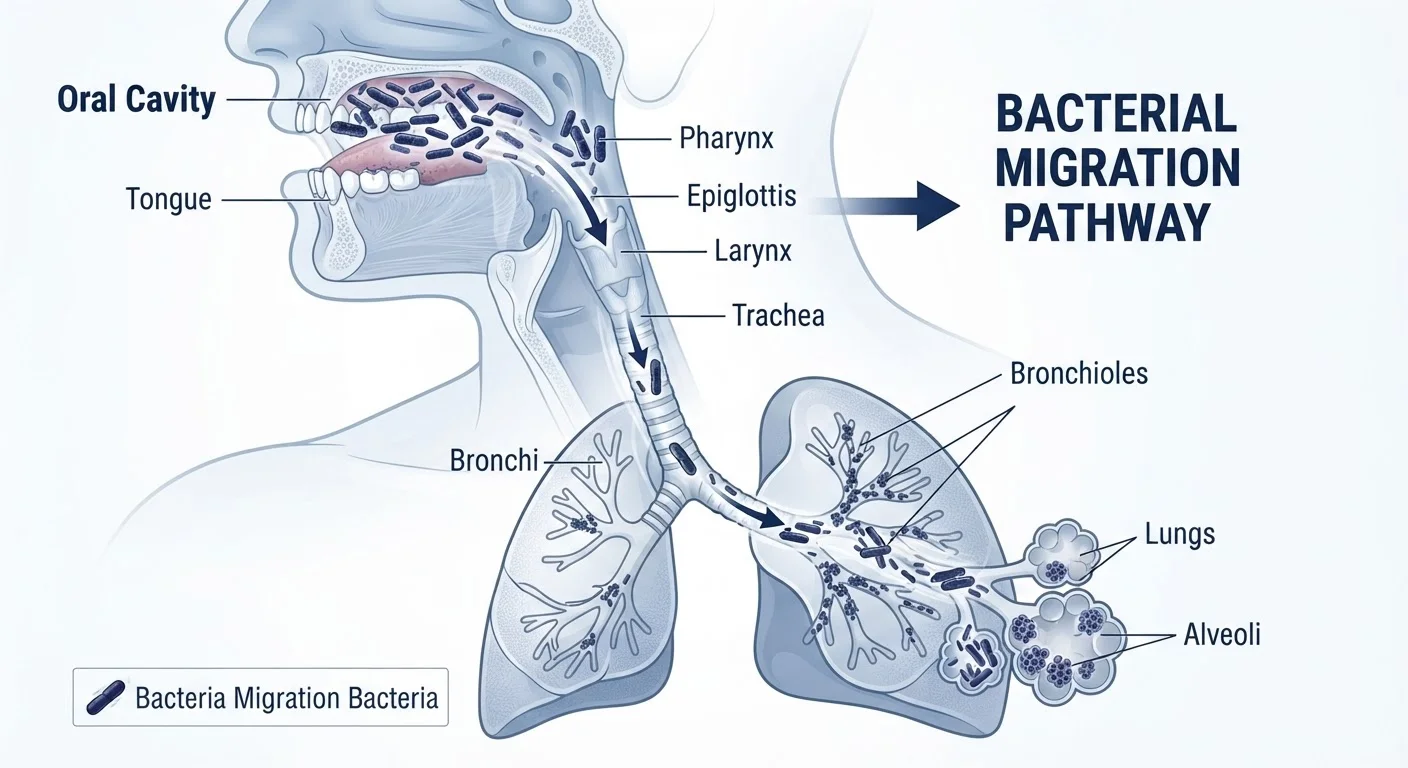
Photo: HerbHealWellness.com | Modern Guide To Wellness editorial
Key Takeaways
- Oral bacteria inhaled into the lungs can cause or worsen respiratory infections, including aspiration pneumonia.
- Older adults, hospitalized patients, and people with swallowing difficulties face the highest risk.
- Poor oral hygiene increases the bacterial load in saliva, raising the risk of harmful aspiration events.
- Regular brushing, flossing, and professional dental care measurably reduce oral bacterial levels.
- Anyone with swallowing difficulties or chronic lung conditions should discuss oral hygiene with their healthcare team.
The Mouth as a Gateway to the Lungs
Most people understand that oral bacteria can harm teeth and gums, but fewer realize those same microbes can reach the lungs. The connection is straightforward: every time we swallow, breathe, or cough, there is an opportunity for saliva — loaded with hundreds of bacterial species — to be drawn into the airway. In healthy people with intact swallowing reflexes, this micro-aspiration is typically cleared without incident. But when defenses weaken, the consequences can be serious.
This oral-respiratory link is part of a broader picture of how mouth health affects the whole body. Explore the full mouth-body connection to understand other pathways, including how oral bacteria can enter the bloodstream and drive systemic inflammation.
~10%
Hospital pneumonia cases linked to aspiration
Aspiration pneumonia accounts for an estimated 5–15% of community-acquired pneumonia cases and a significant proportion of hospital-acquired pneumonia, according to pulmonary medicine literature.
40%
Reduction in pneumonia risk with oral care
A systematic review published in the Journal of the American Geriatrics Society found oral hygiene interventions were associated with approximately a 40% reduction in pneumonia risk in nursing home residents.
Who Is at Greatest Risk
While anyone can experience aspiration, certain groups face substantially elevated risk of developing aspiration pneumonia or worsening existing lung disease:
- Older adults and nursing home residents: Aging affects swallowing coordination, and institutionalized individuals often have more difficulty maintaining thorough oral hygiene independently.
- Hospitalized and mechanically ventilated patients: Ventilator-associated pneumonia is one of the most studied consequences of oral bacterial aspiration in clinical settings.
- People with neurological conditions: Stroke, Parkinson's disease, and dementia can impair the swallowing reflex, increasing both the frequency and volume of aspiration events.
- Individuals with COPD or other chronic lung conditions: Already-compromised airways are less capable of clearing aspirated pathogens. See our overview of common respiratory infections for context on how these illnesses present.
People managing chronic illness alongside oral health challenges face compounded risk and benefit most from coordinated care between dental and medical providers.
Caregiver Tip: Assisted Oral Hygiene Counts
Why Oral Hygiene Quality Matters
The bacterial load in saliva is not fixed — it responds directly to oral hygiene habits. Dental plaque, the sticky film that accumulates on teeth and along the gumline, harbors anaerobic bacteria that are particularly associated with lung infections. When plaque is allowed to build up, the concentration of potentially pathogenic organisms in saliva rises.
Studies conducted in long-term care settings have consistently found that structured oral hygiene interventions — including twice-daily tooth brushing, tongue cleaning, and professional dental scaling — are associated with meaningful reductions in aspiration pneumonia incidence. While this is an area of ongoing research, the existing evidence is strong enough to inform clinical guidelines in geriatric and critical care medicine.
Good daily oral hygiene habits — brushing twice daily with fluoride toothpaste, flossing, and rinsing — reduce the bacterial burden available for aspiration. This is especially relevant for caregivers helping dependent individuals maintain oral care routines.
Recognizing Symptoms and Seeking Care
Aspiration events can be silent — occurring without an obvious cough or gag — making them easy to overlook. Warning signs that may indicate aspiration pneumonia include fever, productive cough, chest discomfort, and breathing difficulties. Unexplained shortness of breath during routine activities warrants prompt medical evaluation.
If you or someone you care for has a known swallowing problem, recurring chest infections, or difficulty maintaining oral hygiene due to physical or cognitive limitations, raise these concerns with both a physician and a dentist. The two care teams working together can identify practical strategies to reduce aspiration risk without sacrificing oral health.
It is also worth noting that systemic health conditions sometimes first appear as oral changes — another reason regular dental visits serve as an important health checkpoint beyond tooth and gum care.
This article is for general informational purposes only and does not constitute medical or dental advice. Always consult a qualified healthcare professional for guidance specific to your individual health situation.
Frequently Asked Questions
The content on this site is for informational purposes only and is not a substitute for professional advice. Always consult a qualified professional for guidance specific to your situation.