
Generic Medicines and Brand-Name Drugs: Understanding the Real Differences

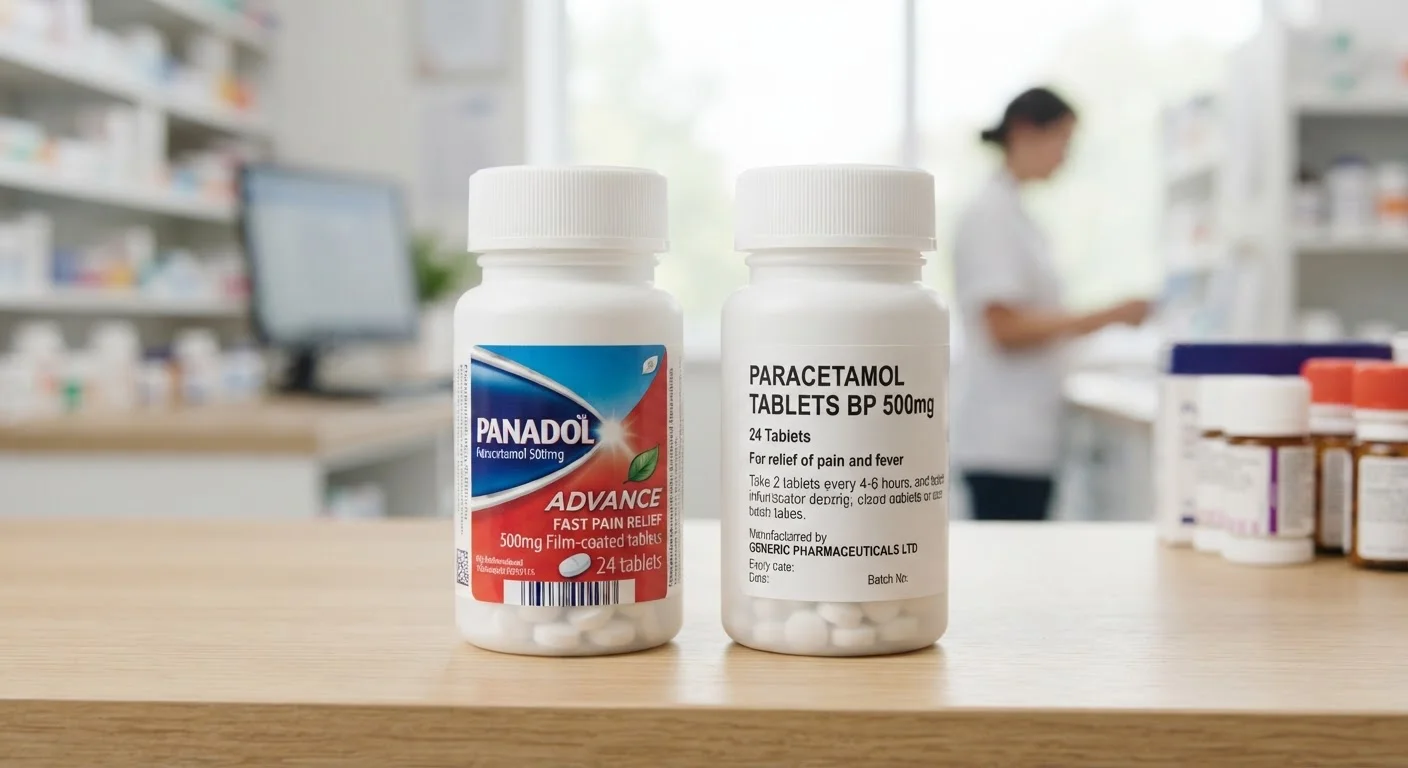
Photo: HerbHealWellness.com | Modern Guide To Wellness editorial
Key Takeaways
- Generic drugs contain the same active ingredient, strength, and dosage form as their brand-name counterparts.
- The FDA requires generics to demonstrate bioequivalence — meaning they absorb into the body at a comparable rate and extent.
- Inactive ingredients like fillers and dyes can differ between brand and generic, which may matter for sensitive individuals.
- Brand-name drugs cost more largely because manufacturers recoup years of research and development investment.
- For most people, switching to a generic is safe, but always inform your pharmacist or prescriber before making any change.
What Actually Makes a Drug 'Generic'?
When a pharmaceutical company develops a new drug, it holds a patent that grants exclusive rights to sell that medication for a set period — typically around 20 years from the date the patent was filed, though the effective market exclusivity is often shorter. Once that patent expires, other manufacturers can apply to the FDA to produce and sell a generic version.
To gain FDA approval, a generic manufacturer must demonstrate that their product contains the same active ingredient, in the same strength and dosage form, intended for the same use as the original. This process is governed by the FDA's Abbreviated New Drug Application (ANDA) pathway. Generics do not have to repeat the full clinical trials that proved the original drug's safety and efficacy — but they do have to prove bioequivalence.
Bioequivalence means the generic drug delivers the active ingredient into the bloodstream at a rate and extent that falls within an acceptable range of the brand-name version — generally 80–125% of the reference drug's exposure measures. For the vast majority of medications, this standard ensures a clinically interchangeable product. For a deeper look at what that guarantee does and doesn't cover, see our article on what bioequivalence actually guarantees.
How They Compare: A Side-by-Side Look
Understanding the specific dimensions where brand-name and generic drugs are identical — and where they legitimately differ — can help you have a more informed conversation with your pharmacist or prescriber.
| Criterion | Brand-Name Drug | Generic Medicine |
|---|---|---|
| Active ingredient | Original formulation | Identical by FDA requirement |
| Strength & dosage form | Set by innovator | Must match brand exactly |
| FDA approval standard | Full NDA with clinical trials | ANDA with bioequivalence data |
| Inactive ingredients | Proprietary formulation | May differ from brand |
| Appearance (color, shape) | Branded design | Legally must differ from brand |
| Typical cost | Significantly higher | Often 80–85% less |
| Insurance coverage | Higher tier co-pay typical | Usually preferred tier |
| Market availability | Available while patent active | Available after patent expiry |
One area worth special attention is inactive ingredients, also called excipients. These are the binders, fillers, colorants, and preservatives that hold a pill together or stabilize a liquid. They are not pharmacologically active, but they can matter for people with specific allergies or intolerances — for example, a lactose intolerance or a sensitivity to certain dyes. If you have such concerns, ask your pharmacist to review the inactive ingredient list for the specific generic being dispensed.
Why Do Brand-Name Drugs Cost So Much More?
The price gap between brand-name and generic drugs can feel dramatic — sometimes tenfold or more. The core reason is recoupment of investment. The innovator company spent years and substantial resources on discovery, clinical trials, and regulatory approval before the drug ever reached a shelf. Patent exclusivity is the mechanism that allows them to recover those costs and fund future research.
Once patents expire and multiple generic manufacturers enter the market, competition drives prices down considerably. Generic drugs typically cost 80–85% less than their brand-name equivalents, according to FDA estimates. This is one reason that generic substitution is encouraged by most insurance plans and pharmacy benefit programs.
90%
Share of US prescriptions filled as generics
According to the FDA, approximately 9 in 10 prescriptions dispensed in the United States are filled with a generic drug.
80–85%
Average cost reduction versus brand-name
The FDA estimates that generic drugs typically cost 80–85% less than their brand-name equivalents, creating substantial savings across the healthcare system.
To understand the broader forces that shape what you pay at the counter, our article on why the same medicine can cost very different amounts breaks down pricing drivers in plain terms.
When Switching Might Deserve Extra Attention
For most medications, switching between a brand-name drug and its generic — or between different generics — is straightforward. However, a small category of drugs called narrow therapeutic index (NTI) drugs warrants extra care. These are medications where a small change in blood concentration can meaningfully affect how well the drug works or its safety profile. Examples include certain anticonvulsants (seizure medications), thyroid hormones, and blood thinners like warfarin.
This doesn't mean generics of these drugs are unsafe — many patients use them without issue. It does mean that any switch should be done with your prescriber's awareness and, in some cases, follow-up monitoring. Never adjust your medication independently based on cost or availability alone.
A Note on Narrow Therapeutic Index Drugs
It's also worth noting that inactive ingredients occasionally affect how a drug is absorbed in the gut, particularly for extended-release formulations. If you notice a change in how you feel after a formulary switch, report it to your prescriber or pharmacist promptly. You can also check our guide on drug interactions to understand how biological pathways can influence medication behavior more broadly.
This article is for general informational purposes only and is not a substitute for professional medical advice. Always consult your pharmacist or healthcare provider before making any changes to your medications.
The content on this site is for informational purposes only and is not a substitute for professional advice. Always consult a qualified professional for guidance specific to your situation.