
What Happens After Your Doctor Sends a Prescription

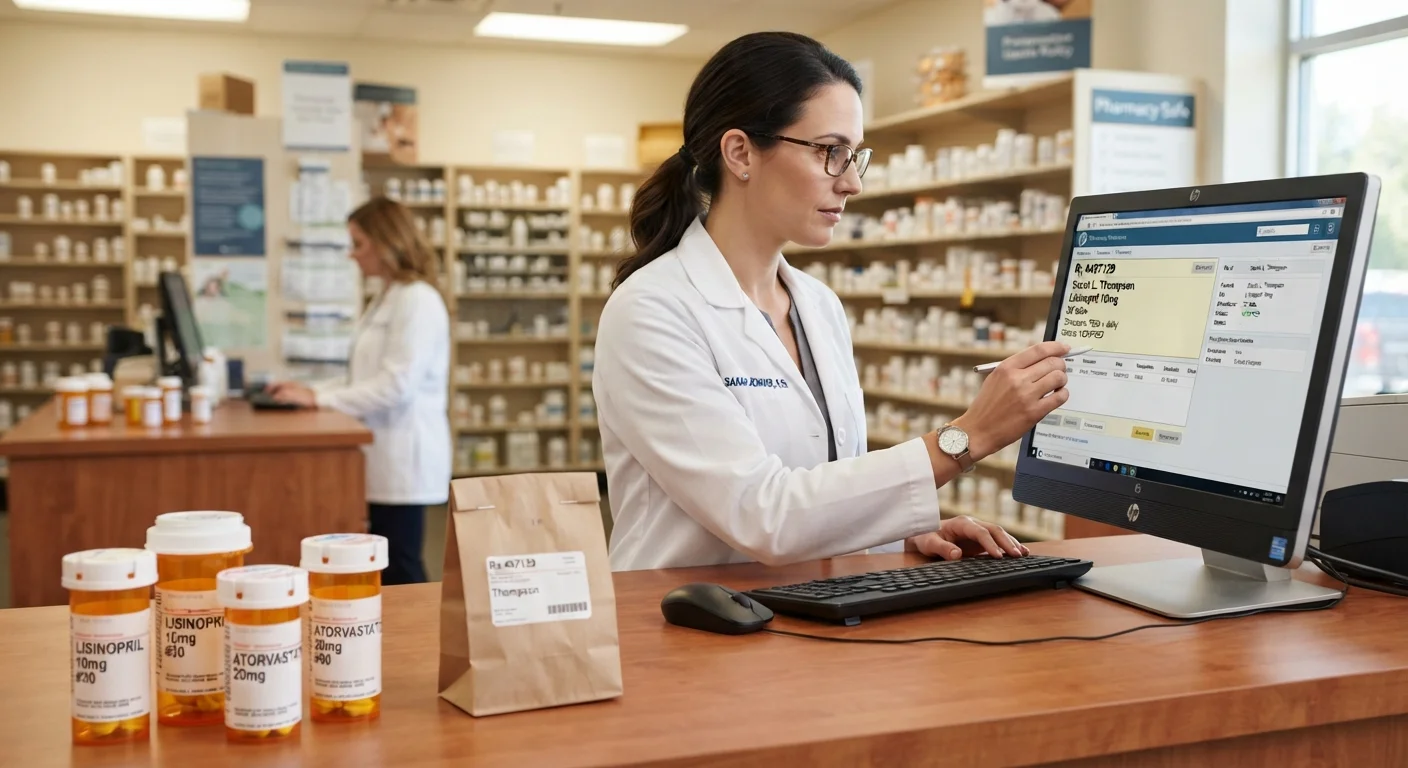
Photo: HerbHealWellness.com | Modern Guide To Wellness editorial
Key Takeaways
- Most prescriptions today are sent electronically, not handed to you on paper.
- Pharmacies perform multiple safety checks — including drug interaction screening — before dispensing.
- Insurance verification is part of the process and can cause delays if issues arise.
- A pharmacist must perform a final review before any prescription is released to a patient.
- You have the right to ask questions at the counter before you leave with your medication.
Step One: The Prescription Arrives
When your doctor decides you need a medication, they generate a prescription — a legal authorization telling a pharmacy what drug to dispense, at what strength, and in what quantity. In most U.S. outpatient settings today, this is done electronically. Your prescriber's software sends the order directly to your designated pharmacy before you've even left the office.
Paper prescriptions still exist — particularly for certain controlled substances — but they're the exception rather than the rule. Either way, once the pharmacy receives the order, the clock starts on a structured, multi-step process. Understanding why some medications require a prescription at all can help put this entire process in context.
Step Two: Intake and Insurance Verification
A pharmacy technician receives the incoming prescription and enters it into the pharmacy's dispensing system — or confirms the e-prescription data is correctly imported. At this stage, the technician also processes your insurance information to determine coverage, copay amounts, and whether any prior authorization is required.
Prior authorization — often called a PA — is when your insurer requires your doctor to justify the prescription before agreeing to cover it. This can introduce delays, sometimes requiring back-and-forth between the pharmacy and the prescriber's office. If a coverage issue arises, you'll typically be notified before the medication is dispensed.
~90%
U.S. prescriptions sent electronically
According to Surescripts data, the vast majority of eligible prescriptions in the U.S. are now transmitted via e-prescribing systems.
4+ billion
Prescriptions dispensed annually in the U.S.
The U.S. Centers for Disease Control and Prevention (CDC) has reported billions of prescription drug orders dispensed by U.S. pharmacies each year.
1 in 5
New prescriptions never picked up by patients
Research published in the Annals of Internal Medicine estimates a significant share of new prescriptions go unfilled, often due to cost or patient uncertainty.
Step Three: Safety Screening
Before any medication is counted or packaged, the pharmacy's software performs a drug utilization review (DUR). This automated check scans your medication history on file to flag potential drug-drug interactions, duplicate therapies, or dosing concerns based on your age or known conditions.
If the system flags a concern, a pharmacist — not just the software — reviews it and decides how to proceed. This might mean contacting your doctor to confirm the prescription, adjusting fill quantities, or in rare cases, declining to fill until clarification is received. This layer of professional oversight is one of the most important safety functions a pharmacy provides.
Tell Your Pharmacist About All Medications You Take
Step Four: Preparation and Pharmacist Review
After safety checks, a technician prepares the medication — counting tablets, labeling the bottle, and attaching printed instructions. The packaging is then passed to the pharmacist for a final verification. This step is legally required: a licensed pharmacist must physically confirm that what's in the bottle matches what was prescribed before it can leave the pharmacy.
The label you receive will include your name, the drug name and strength, directions for use, the prescribing doctor's name, and the dispensing date. These details matter. Once you receive your medication, review them carefully before leaving the counter.
Step Five: Pickup and Patient Counseling
When you arrive to pick up your prescription, you'll be asked to confirm your identity — typically by providing your date of birth. Federal and most state laws require pharmacies to offer patient counseling for new prescriptions. This is your opportunity to ask the pharmacist how to take the medication correctly, what to watch out for, and whether it interacts with anything you're already taking.
Don't skip this step. Pharmacists are a highly accessible healthcare resource — and unlike a doctor's appointment, this conversation costs you nothing and requires no scheduling. If this is your first time filling a prescription, prepare a short list of questions in advance.
Once you have your medication in hand, the next part of the journey is internal. Learn what happens inside your body after you take a dose to understand how the drug actually reaches its target.
This article is for informational purposes only and is not a substitute for professional medical or pharmaceutical advice. Always consult your pharmacist or healthcare provider with questions about your specific medications.
Frequently Asked Questions
The content on this site is for informational purposes only and is not a substitute for professional advice. Always consult a qualified professional for guidance specific to your situation.