
Pharmacy Basics

Before You Leave the Pharmacy Counter

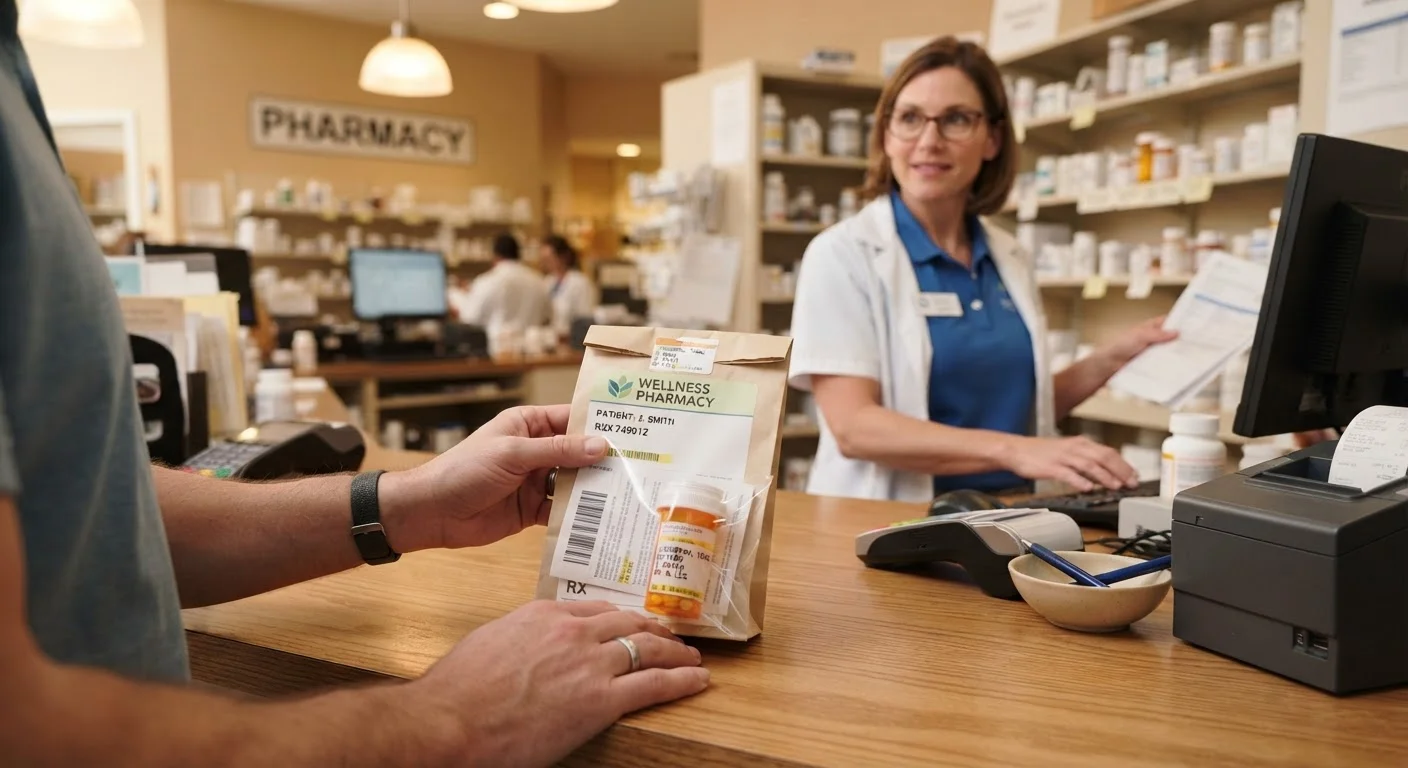
Before You Leave the Pharmacy Counter

Photo: HerbHealWellness.com | Modern Guide To Wellness editorial

A practical checklist to help you confirm dosage instructions, check for interactions, and leave with everything you need for safe use.

Key Takeaways

  • Confirm the medication name and dosage on the label matches your prescription before leaving.
  • Ask the pharmacist about potential interactions with your current medications or supplements.
  • Know the correct storage conditions for every new medication you receive.
  • Understand what side effects to watch for and when to call your provider.
  • Always have a patient information leaflet or printed instructions in hand before you walk away.

Why the Counter Moment Matters

Picking up a prescription takes only a few minutes, but those minutes carry real weight. Errors in dispensing, misunderstood instructions, and overlooked interaction risks are among the most common — and most preventable — causes of medication-related harm. The pharmacy counter is your last checkpoint before a drug enters your home and your body.

This checklist is designed for anyone collecting a prescription, whether it's a brand-new medication or a monthly refill. Use it as a quiet mental scan before you step away. If you're new to the pharmacy experience entirely, our plain-language walkthrough for first-time prescription fillers provides helpful background context.

For deeper guidance on interacting with your pharmacist, see Talking to Your Pharmacist: More Than Just Picking Up Pills.

Don't Accept and Walk Away Immediately

It can feel awkward to pause and check your bag at a busy counter, but doing so is your right and your safety net. Dispensing errors — though uncommon — do occur, and they are far easier to correct before you leave the pharmacy than after. Take a moment, open the bag, and run through the basics.

Your Pre-Departure Checklist

Work through the groups below before accepting your bag and walking out. Each item takes seconds to check and can prevent serious problems down the line.

Verify the Basics

Confirm the name on the label is yours — including correct spelling and date of birth. Must
Check that the medication name matches what your provider prescribed, including strength (e.g., 10 mg vs. 20 mg). Must
Verify the quantity dispensed matches what was written on the prescription. Must
Confirm the number of refills remaining matches your provider's instructions. Should

Understand How to Take It

Ask the pharmacist to explain the dosage directions in plain language if anything on the label is unclear. Must
Clarify whether the medication should be taken with food, on an empty stomach, or at a specific time of day. Must
Ask what to do if you miss a dose — the answer varies significantly between medications. Should
Confirm whether the tablet or capsule can be cut, crushed, or opened, or if it must be swallowed whole. Should

Check for Interactions and Warnings

Inform the pharmacist of all current medications, supplements, and vitamins so they can screen for interactions. Must
Ask whether any common foods, drinks (including alcohol or grapefruit juice), or activities should be avoided. Must
Request a summary of the most important side effects to watch for and when to seek medical attention. Must
If you are pregnant, breastfeeding, or managing a chronic condition, flag this to the pharmacist for tailored guidance. Must

Confirm Storage and Next Steps

Ask the pharmacist how and where to store the medication — room temperature, refrigerated, or protected from light. Must
Check the expiration date on the packaging before leaving. Should
Collect any printed patient information leaflet and keep it with the medication at home. Should
Note the pharmacy's phone number in case you have questions after you leave. Nice to have
Ask about automatic refill programs or reminder services if you take this medication long-term. Nice to have
Confirm how to safely dispose of leftover or expired medication when the course is complete. Nice to have

If you're managing multiple medications, maintaining an updated personal medication record is one of the most effective safety habits you can build. Learn what to include in Keeping a Personal Medication Record: A Safety Practice That Can Save Lives.

New Medication? Ask for a Full Consultation

For any medication you are taking for the first time, request a brief counseling session with the pharmacist — not just a label review. Federal law generally requires pharmacies to offer counseling for new prescriptions. Use this time to ask about interactions, side effects, and any lifestyle considerations. See Questions to Ask Your Pharmacist Before Starting a New Medication for a full list of questions to bring.

What to Do When You Get Home

The checklist doesn't end at the counter. Once you're home, take a few extra minutes to set yourself up for safe, consistent use.

Start by reading the full label carefully. Every section — from dosage instructions to expiry date — carries meaning. Our guide to reading a medicine label without the guesswork walks you through each field in plain language.

Store the medication correctly from day one. Heat, humidity, and light can degrade drugs faster than most people realize. See Storing Medicines at Home Safely for practical guidance. And if you ever have leftover or expired medication, don't flush it or toss it carelessly — Disposing of Unused Medicines: What You Should Know explains the responsible options.

This article is for general informational purposes only and is not a substitute for professional medical advice. Always consult your pharmacist, physician, or another qualified healthcare provider with questions about your medications or health conditions.

Medications & Pharmacy Editorial Team

HerbHealWellness.com | Modern Guide To Wellness

Medications & Pharmacy Editorial Team is the collective byline for our editorial team and contributor network. Articles published under this byline or an editorial pen name are researched, written, and reviewed according to our editorial standards for clarity, consistency, and independence before publication.

How Medications WorkDrug Safety & InteractionsPharmacy Basics
View author profile

The content on this site is for informational purposes only and is not a substitute for professional advice. Always consult a qualified professional for guidance specific to your situation.