
Common Pitfalls When Trying to Improve Your Nutrient Intake

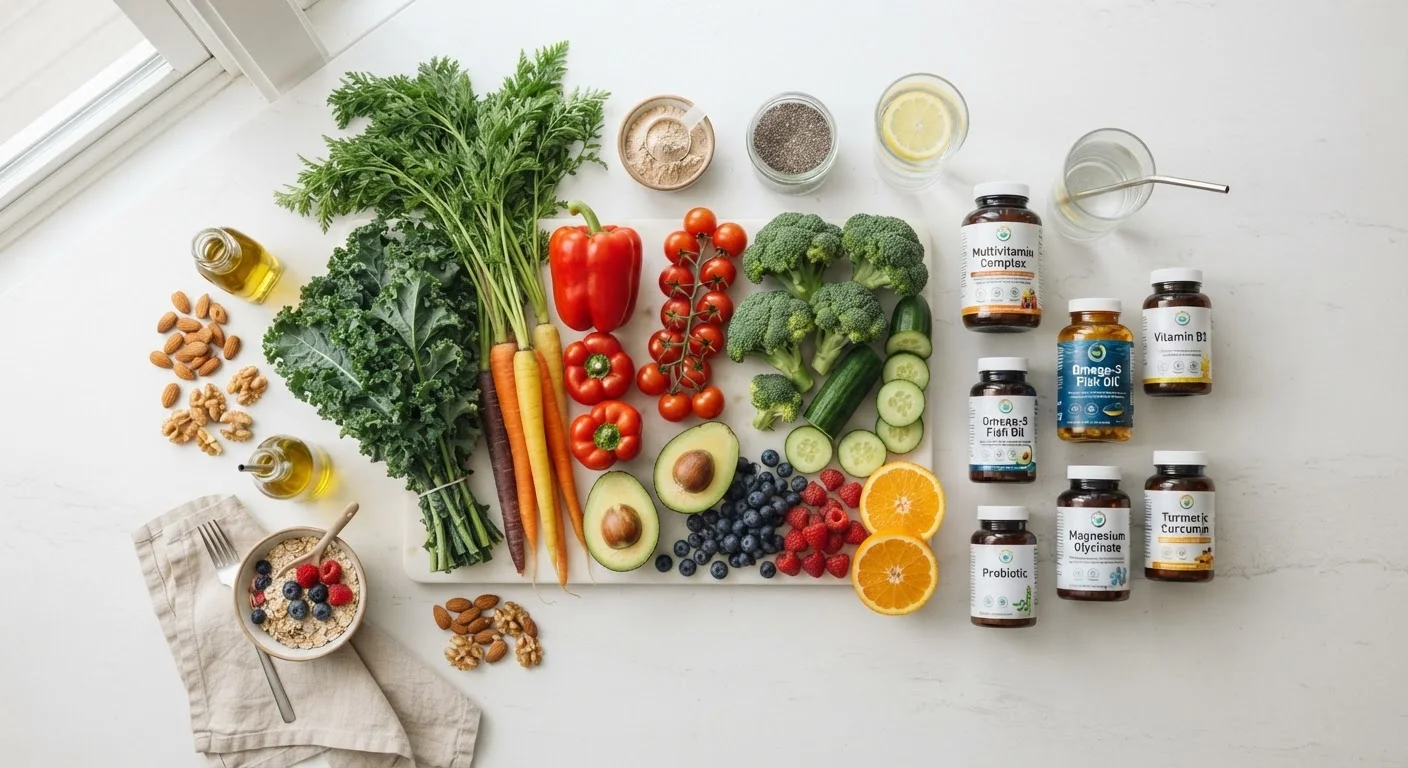
Photo: HerbHealWellness.com | Modern Guide To Wellness editorial
Key Takeaways
- More isn't always better — oversupplementing certain nutrients can cause harm rather than benefit.
- How you cook food significantly affects how much of a nutrient your body actually absorbs.
- Supplements can interact with prescription medications in ways worth discussing with a pharmacist.
- Chasing single nutrients while ignoring overall dietary balance often produces poor results.
- Confirmed deficiencies, not guesswork, should guide any supplementation decisions.
Why Good Intentions Aren't Enough
Wanting to improve your nutrient intake is a reasonable health goal — but the path from intention to outcome is less straightforward than it might seem. Many people make changes based on popular advice, product marketing, or incomplete information, and end up with a nutritional picture that's no better — and occasionally worse — than when they started.
The mistakes below aren't signs of carelessness. They reflect genuine gaps in how nutritional information is communicated to the public. Understanding where things commonly go wrong is the first step toward a more effective, evidence-informed approach. If you're considering significant dietary changes or supplementation, consulting a registered dietitian or your healthcare provider is always the most reliable starting point.
Assuming more of a nutrient is always better and doubling up on supplements.
Overlooking how cooking methods affect nutrient retention in vegetables and other whole foods.
Taking supplements without first confirming an actual deficiency through testing.
Ignoring potential interactions between supplements and prescription medications.
Focusing on a single 'hero' nutrient while neglecting overall dietary balance.
The Bigger Picture: Diet, Absorption, and Interactions
Nutrient intake isn't just about what you eat or swallow — it's about what your body can actually use. Bioavailability and absorption are shaped by food preparation, gut health, concurrent medications, and even the combination of foods on your plate. A high-dose supplement taken with the wrong meal, or alongside a particular medication, may deliver far less — or cause far more — than intended.
~57%
U.S. adults using dietary supplements
According to NHANES data analyzed by the NIH Office of Dietary Supplements, more than half of U.S. adults report using at least one dietary supplement.
Up to 40%
Vitamin C lost through boiling vegetables
Research published in nutritional science literature indicates that boiling can reduce vitamin C content in some vegetables by up to 40% compared to raw values.
Supplement-drug interactions are a specific area that receives insufficient attention. Fat-soluble vitamins like A, D, E, and K accumulate in body tissue and can reach problematic levels with prolonged oversupplementation. Certain minerals and herbal compounds are known to affect how prescription drugs are metabolized. For a detailed look at these risks, see the article on supplement and prescription drug interactions.
Fat-Soluble Vitamins Can Accumulate to Harmful Levels
It's also worth recognizing that restrictive or elimination-style diets — even well-intentioned ones — frequently introduce nutrient gaps that go unnoticed for months. If you're currently modifying your diet significantly, understanding where elimination diets go wrong can help you avoid common structural mistakes. Similarly, transitioning to a new eating plan thoughtfully reduces the likelihood of unintentional deficiencies.
For a broader perspective on when whole foods outperform supplements — and when supplements have genuine merit — the comparison offered in getting vitamins from food vs. supplements provides a useful, evidence-grounded overview. And if you want to sort fact from fiction before spending money on a supplement regimen, widespread myths about vitamin supplements addresses the most persistent misconceptions directly.
This article is for general informational purposes only and does not constitute medical or dietary advice. Always consult a qualified healthcare professional before making significant changes to your diet or supplement routine.
The content on this site is for informational purposes only and is not a substitute for professional advice. Always consult a qualified professional for guidance specific to your situation.