
Dry Mouth: More Than an Annoyance, a Real Risk to Oral Health

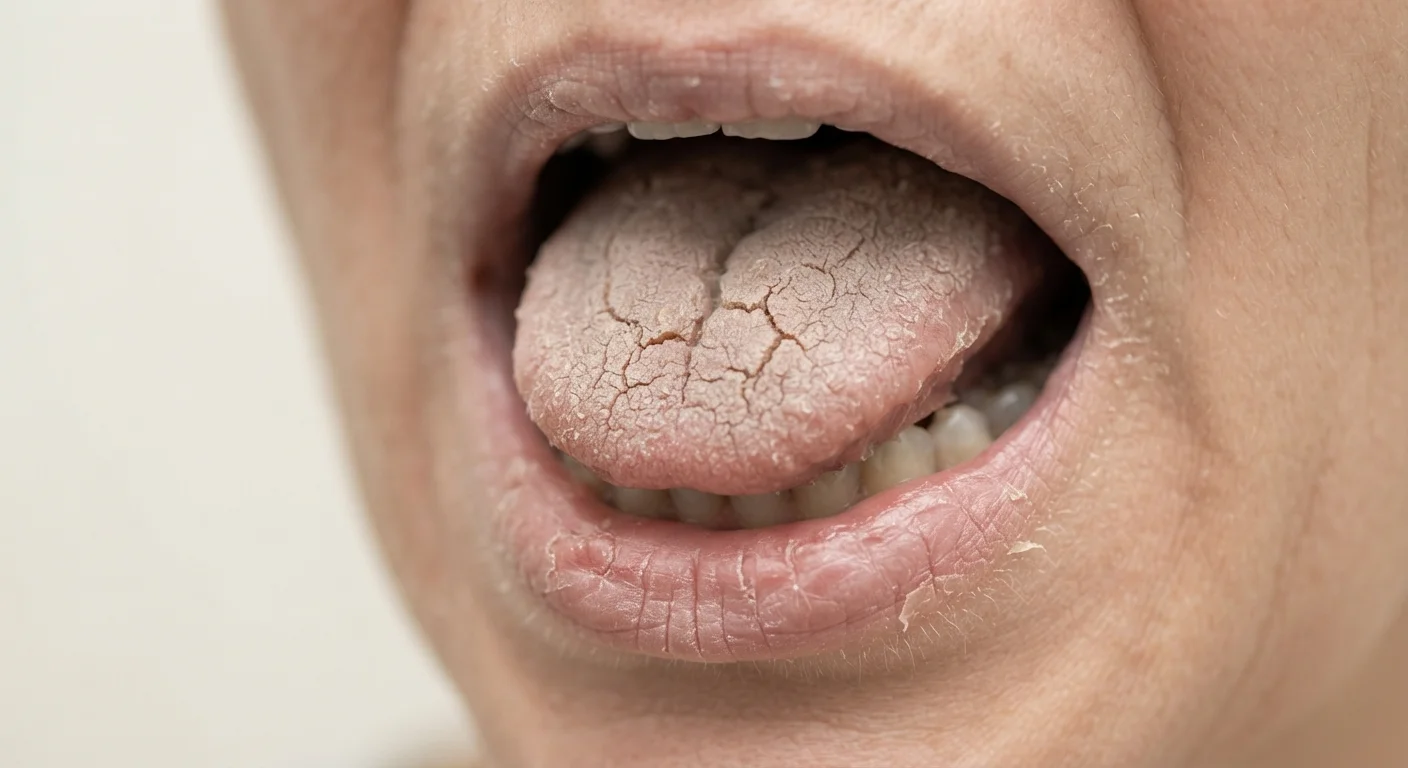
Photo: HerbHealWellness.com | Modern Guide To Wellness editorial
Key Takeaways
- Saliva is your mouth's primary defense against tooth decay and infection.
- Chronic dry mouth significantly raises the risk of cavities, gum disease, and oral infections.
- More than 400 commonly prescribed medications list dry mouth as a side effect.
- Autoimmune conditions like Sjögren's syndrome can permanently impair salivary gland function.
- Staying hydrated and seeing your dentist regularly are important first steps for managing dry mouth.
- A dentist or physician should evaluate persistent dry mouth — it may signal an underlying health issue.
What Saliva Actually Does — and Why Losing It Matters
Most people think of saliva simply as moisture. In reality, it's a sophisticated biological fluid that performs several protective functions simultaneously. Saliva neutralizes the acids produced by oral bacteria after you eat, physically rinses away food particles, delivers minerals like calcium and phosphate that help repair early enamel damage, and contains proteins with antimicrobial properties that keep bacterial and fungal populations in check.
When saliva production drops, these protections weaken in tandem. Acid lingers longer on tooth surfaces. Bacteria flourish in the drier, less-defended environment. Fungi — particularly Candida albicans, the organism behind oral thrush — find conditions more favorable. For a deeper look at how this biology works, see how saliva protects your teeth.
400+
Medications that list dry mouth as a side effect
The American Dental Association recognizes hundreds of commonly prescribed drugs — including antihistamines, antidepressants, and antihypertensives — as contributors to reduced saliva flow.
~30%
Adults over 65 estimated to experience dry mouth
Older adults are disproportionately affected due to higher rates of polypharmacy and age-related changes in salivary gland function, according to dental research literature.
3–4 million
Americans estimated to have Sjögren's syndrome
The Sjögren's Foundation estimates this autoimmune condition — a leading cause of severe salivary gland dysfunction — affects millions in the U.S., the majority of whom are women.
Common Causes: From Medications to Medical Conditions
The most widespread cause of chronic dry mouth in the United States is medication use. Antihistamines, antidepressants, antihypertensives, diuretics, and anticholinergic drugs — among hundreds of others — reduce salivary gland output as a side effect. Because older adults often take multiple medications simultaneously, they face compounded risk, though dry mouth from drugs affects people across all age groups.
Beyond medications, several medical conditions directly impair the salivary glands. Sjögren's syndrome, an autoimmune disorder, attacks moisture-producing glands throughout the body and is one of the most common causes of severe, long-term dry mouth. Radiation therapy targeting the head and neck region can cause lasting glandular damage. Uncontrolled diabetes, HIV/AIDS, and certain neurological conditions are also associated with reduced saliva flow. This overlap between systemic health and oral symptoms is explored further in dry mouth, medications, and systemic health.
Dry Mouth and Mouthwash: A Note on Alcohol Content
The Dental Consequences of Untreated Dry Mouth
Chronic dry mouth creates a predictable cascade of oral health problems. Tooth decay is the most common consequence — cavities often appear at the gumline, between teeth, and on root surfaces that are normally bathed in saliva. In severe cases, decay can progress rapidly and affect teeth that were previously healthy for years.
Gum disease is another documented risk. Saliva helps buffer the gingival crevice — the pocket between teeth and gums — against bacterial overgrowth. Without it, periodontal pathogens can establish themselves more easily. Oral thrush, a fungal infection characterized by white patches and soreness, is also significantly more common in people with dry mouth. Difficulty chewing and swallowing can affect nutrition, and chronic bad breath (halitosis) often follows because the odor-controlling functions of saliva are diminished. The broader implications for whole-body health are addressed in the mouth-body connection.
Recognizing Symptoms and Knowing When to Seek Care
Dry mouth isn't always obvious. Some people notice it mainly at night or upon waking. Others experience it consistently throughout the day. Common symptoms include a persistent sticky or parched feeling in the mouth, difficulty swallowing dry foods, a burning or tingling sensation on the tongue, cracked lips, and a changed sense of taste. Frequent thirst and waking at night to drink water are also reported.
If you notice multiple cavities developing in a short time, experience recurring mouth sores or white patches, or find that speaking or swallowing has become noticeably harder, these are signals to seek professional evaluation rather than wait. Your dentist is often the first clinician to recognize chronic dry mouth because the dental consequences — including distinctive cavity patterns — are visible during routine examination. People managing chronic illness should be especially attentive; see keeping your mouth healthy with a chronic illness for relevant guidance.
Practical Steps While You Seek Professional Guidance
This article provides general health information and education. It is not a substitute for professional medical or dental advice, diagnosis, or treatment. Always consult a qualified healthcare provider with questions about your specific symptoms or health conditions.
Frequently Asked Questions
The content on this site is for informational purposes only and is not a substitute for professional advice. Always consult a qualified professional for guidance specific to your situation.