
The Mouth-Body Connection: Why Oral Health Is Whole-Body Health

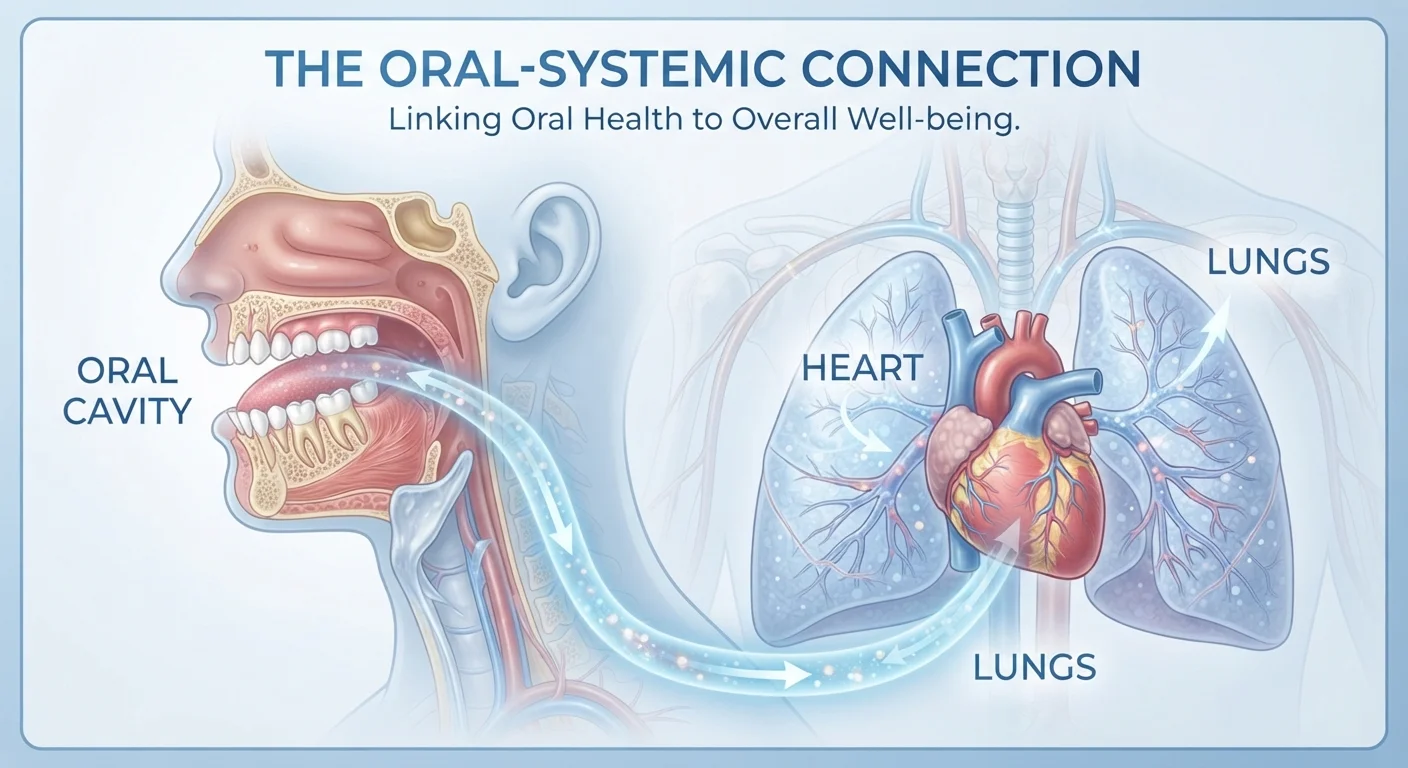
Photo: HerbHealWellness.com | Modern Guide To Wellness editorial
Key Takeaways
- Gum disease is linked to a higher risk of cardiovascular disease, though the relationship is still being studied.
- Diabetes and periodontal disease appear to worsen each other in a bidirectional relationship.
- Oral bacteria can enter the bloodstream and trigger inflammation in distant organs.
- Regular brushing, flossing, and dental visits form the foundation of oral-systemic health.
- Your dentist may be among the first to detect signs of systemic conditions through oral symptoms.
Your Mouth as a Window to Your Body
Most people think of oral health in terms of avoiding cavities and keeping their smile bright. But decades of research have established something more significant: the mouth is a gateway to the rest of the body, and what happens inside it can have measurable effects on systems far removed from the teeth and gums.
The mouth is home to hundreds of bacterial species. In a balanced state, this microbial community is largely harmless — even beneficial. When that balance is disrupted by poor hygiene, disease, or systemic factors, harmful bacteria can multiply, inflame gum tissue, and in some cases, enter the bloodstream. From there, those bacteria and the inflammatory signals they trigger can reach the heart, lungs, and other organs.
Understanding this connection matters for how you approach your daily dental routine and how often you see a dentist. For a deeper look at the bacterial pathway specifically, see our article on oral bacteria and systemic inflammation.
A Note on Causation vs. Association
Key Oral-Systemic Links Supported by Research
Among the most studied connections is the relationship between periodontal (gum) disease and cardiovascular health. Multiple large studies have found that people with periodontitis — advanced gum disease — have a higher prevalence of heart disease and stroke, though researchers are still working to clarify whether gum disease directly causes cardiovascular events or whether both share common risk factors such as inflammation and smoking.
The link between oral health and diabetes is particularly well-established and bidirectional. High blood sugar impairs immune function, making it harder to fight gum infections. At the same time, the chronic inflammation driven by gum disease may interfere with insulin sensitivity. Our dedicated article on oral health and diabetes explains this relationship in detail.
Other areas of active research include potential connections between oral bacteria and adverse pregnancy outcomes, pneumonia risk, and cognitive decline — though these associations vary significantly in the strength of their evidence. For a balanced view of what science does and does not support, see separating myth from evidence in the oral-systemic health debate.
47%
U.S. adults with some form of gum disease
According to CDC surveillance data, nearly half of American adults aged 30 and older have periodontal disease in some form.
2–3×
Higher periodontitis risk in people with diabetes
Research consistently shows people living with diabetes face significantly elevated rates of periodontal disease compared to those without the condition.
700+
Bacterial species in the human mouth
Studies of the oral microbiome have identified over 700 distinct bacterial species, underscoring the complexity of oral ecology and its potential systemic reach.
What Dentists Can Detect — and Why It Matters
Dentists are often the first clinicians to observe signs of systemic disease. Dry mouth can indicate uncontrolled diabetes or be a side effect of medications for dozens of conditions. Oral ulcers that recur frequently may point to autoimmune disorders. Unusual tooth mobility or rapid bone loss in the jaw can reflect osteoporosis. Pale or unusually smooth gum tissue may signal anemia.
This is why routine dental visits are about far more than cleanings. A thorough oral examination provides a snapshot of overall health — one that your dentist is trained to interpret and, when necessary, communicate to your primary care physician.
“The mouth is not separate from the body. Treating dental disease in isolation — without considering the patient's systemic health — misses a significant part of the clinical picture.”
— American Academy of Periodontology, Professional organization representing periodontists and advancing gum disease research
If you have been diagnosed with common dental conditions such as periodontitis, understanding its systemic implications is an important step. Our plain-language overview of periodontal disease is a good starting point.
Practical Steps That Support Both Oral and Systemic Health
The good news is that the habits that protect your mouth also support your broader health. Consistent daily oral hygiene — brushing twice a day with fluoride toothpaste, flossing once daily, and staying hydrated — reduces the bacterial load in the mouth and limits the inflammatory cascade that can affect the rest of the body.
Tongue cleaning is an underappreciated step in this process; the tongue harbors significant bacterial communities that brushing alone does not fully address. Our article on tongue cleaning explains the evidence behind this practice.
Beyond daily hygiene, professional dental care plays a critical role. Regular exams and cleanings remove calculus (hardened plaque) that home care cannot reach, and allow your dentist to catch early signs of gum disease before they progress. For a structured approach to building habits that serve both your mouth and your body, explore our guide to building a dental routine that supports whole-body health.
Tell Your Dentist About Your Medical History
This article is for general informational purposes only and does not constitute medical or dental advice. Always consult a qualified dental or healthcare professional for guidance specific to your health needs.
Frequently Asked Questions
The content on this site is for informational purposes only and is not a substitute for professional advice. Always consult a qualified professional for guidance specific to your situation.