
How Saliva Protects Your Teeth — and What Happens When There Isn't Enough

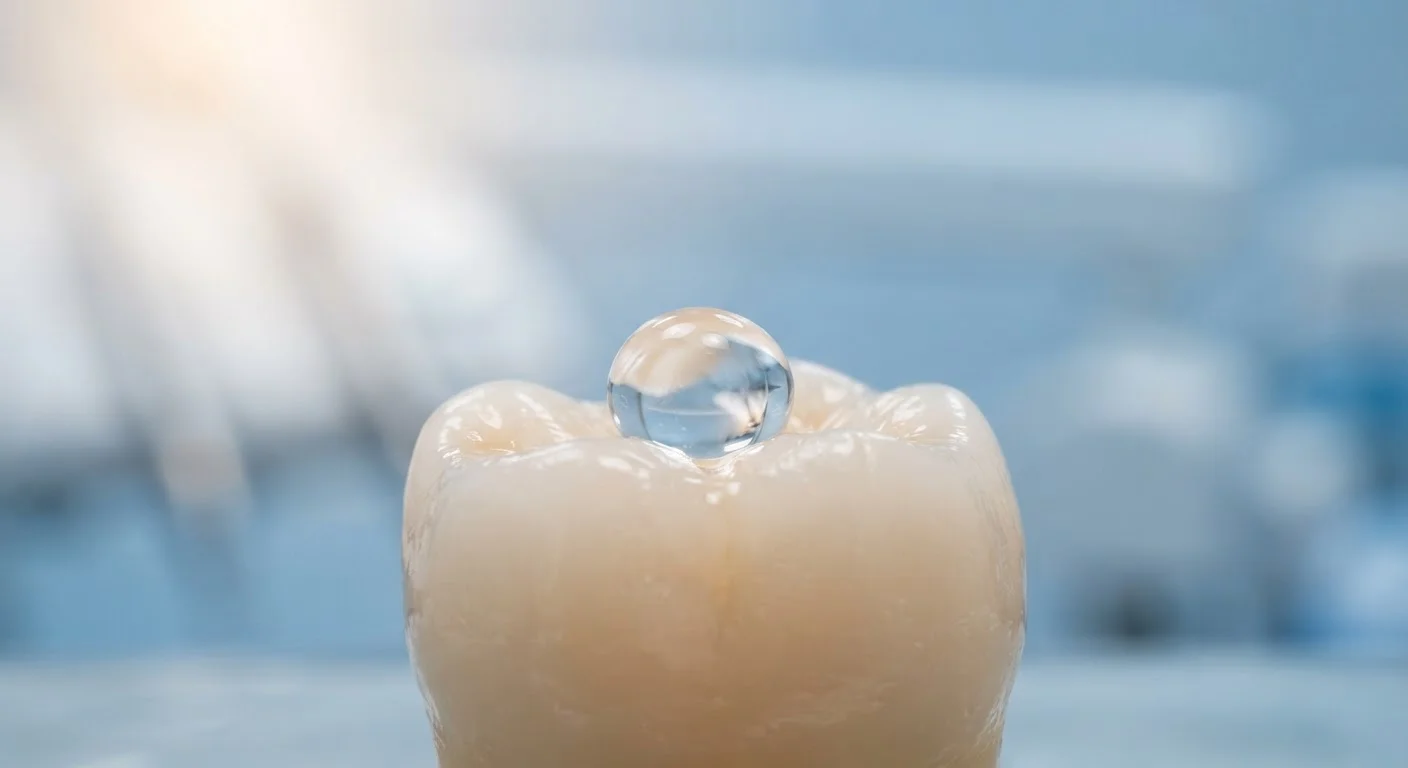
Photo: HerbHealWellness.com | Modern Guide To Wellness editorial
Key Takeaways
- Saliva neutralizes mouth acids after eating, protecting enamel from erosion.
- It delivers calcium and phosphate that help repair early enamel damage.
- Antimicrobial proteins in saliva suppress harmful bacterial growth.
- Dry mouth (xerostomia) significantly raises the risk of cavities and gum disease.
- Many common medications list dry mouth as a side effect — tell your dentist about all medications you take.
- Staying hydrated and breathing through your nose are simple ways to support saliva flow.
The Many Roles Saliva Plays Every Day
Most people think of saliva simply as the fluid that keeps the mouth comfortable. In reality, it functions as a complex biological fluid performing several critical protective tasks simultaneously — and its importance to dental health is often underappreciated until it starts to diminish.
Each day, your salivary glands produce roughly 0.5 to 1.5 liters of saliva. This output is not constant — flow is highest during meals and drops significantly during sleep, which is one reason morning breath and nighttime cavity risk are linked.
Saliva's core dental functions include:
- Acid neutralization: Bacteria in dental plaque ferment sugars and produce acids that erode enamel. Salivary bicarbonate acts as a buffer, raising the mouth's pH back to a safer level after eating.
- Remineralization: Calcium and phosphate ions in saliva are redeposited into softened enamel, repairing early-stage damage before it becomes a cavity.
- Mechanical cleansing: Saliva physically washes bacteria and food debris from tooth surfaces and toward the throat, where they are swallowed.
- Antimicrobial action: Proteins including lysozyme, lactoferrin, and secretory immunoglobulin A (sIgA) suppress harmful bacterial populations and limit fungal overgrowth.
- Lubrication: Mucins in saliva coat oral tissues, protecting them from abrasion and helping food form a bolus for safe swallowing.
500–1,500 mL
Saliva produced by healthy adults daily
Estimates from the American Dental Association indicate healthy adults produce roughly this volume each day, with output varying based on hydration, time of day, and stimulation.
~400+
Medications known to cause dry mouth
Research published in dental and pharmacology literature consistently identifies hundreds of commonly prescribed drugs — across many drug classes — that reduce salivary flow as a recognized side effect.
30%
Adults over 65 reporting chronic dry mouth
Studies suggest dry mouth becomes increasingly prevalent with age, largely attributed to polypharmacy (the use of multiple medications simultaneously) rather than aging itself.
What Happens When Saliva Production Falls Short
Dry mouth — clinically termed xerostomia — is not merely an inconvenience. When salivary flow is chronically reduced, every protective mechanism described above is compromised at once.
The consequences can be swift and severe. Without adequate buffering, mouth pH stays low after meals for longer, accelerating enamel erosion. Without remineralization, softened enamel cannot repair itself. Without antimicrobial proteins, decay-causing bacteria like Streptococcus mutans proliferate. The result is often rapid, unusual cavities — sometimes appearing along the gumline or on root surfaces that are rarely affected in people with healthy saliva flow.
Beyond cavities, chronic dry mouth raises the risk of oral thrush (a fungal infection), gum disease, persistent bad breath, and difficulty chewing and swallowing. It can also affect quality of life in subtle ways, including disrupted sleep and difficulty speaking comfortably for long periods.
For a deeper look at how oral conditions like dry mouth connect to broader health outcomes, see our article on the mouth-body connection.
Support Your Saliva at Night
Common Causes — and What You Can Do
Dry mouth is rarely random. Identifying the cause is the first step toward managing it effectively.
Medications are the most common culprit. Hundreds of prescription and over-the-counter drugs — including antihistamines, antidepressants, blood pressure medications, and diuretics — list dry mouth as a side effect. If you take multiple medications, the effects can compound. Always inform your dentist of everything you take, including supplements. To understand this connection further, our article on dry mouth and medications explores it in detail.
Systemic conditions such as Sjögren's syndrome (an autoimmune disorder), uncontrolled diabetes, and HIV/AIDS are also well-documented causes. Head and neck radiation therapy can permanently damage salivary glands. Your dentist may detect signs of dry mouth during a routine visit — another reason consistent dental care matters, as explored in what your dentist can detect before your doctor does.
Lifestyle factors play a role too. Dehydration, mouth breathing (often linked to nasal congestion or sleep apnea), heavy caffeine consumption, alcohol use, and tobacco use all reduce effective saliva protection.
Practical steps to support saliva flow:
- Drink water consistently throughout the day — sipping rather than gulping is more effective for oral hydration.
- Chew sugar-free gum containing xylitol, which stimulates saliva mechanically and may also suppress certain cavity-causing bacteria.
- Breathe through your nose when possible; if nasal obstruction is an issue, discuss it with your physician.
- Limit alcohol-based mouthwashes, which can exacerbate dryness — for guidance on choosing a mouthwash wisely, see what mouthwash actually does.
- Discuss dry mouth openly with your dentist, who may recommend fluoride treatments or prescription-strength remineralizing agents to compensate for reduced salivary protection.
Saliva Substitutes: A Partial Solution
This article is for general informational purposes only and is not a substitute for professional dental or medical advice. If you are experiencing persistent dry mouth or related symptoms, consult a qualified dental or healthcare professional.
Frequently Asked Questions
The content on this site is for informational purposes only and is not a substitute for professional advice. Always consult a qualified professional for guidance specific to your situation.