
Conjunctivitis Demystified: Bacterial, Viral, and Allergic Forms Side by Side

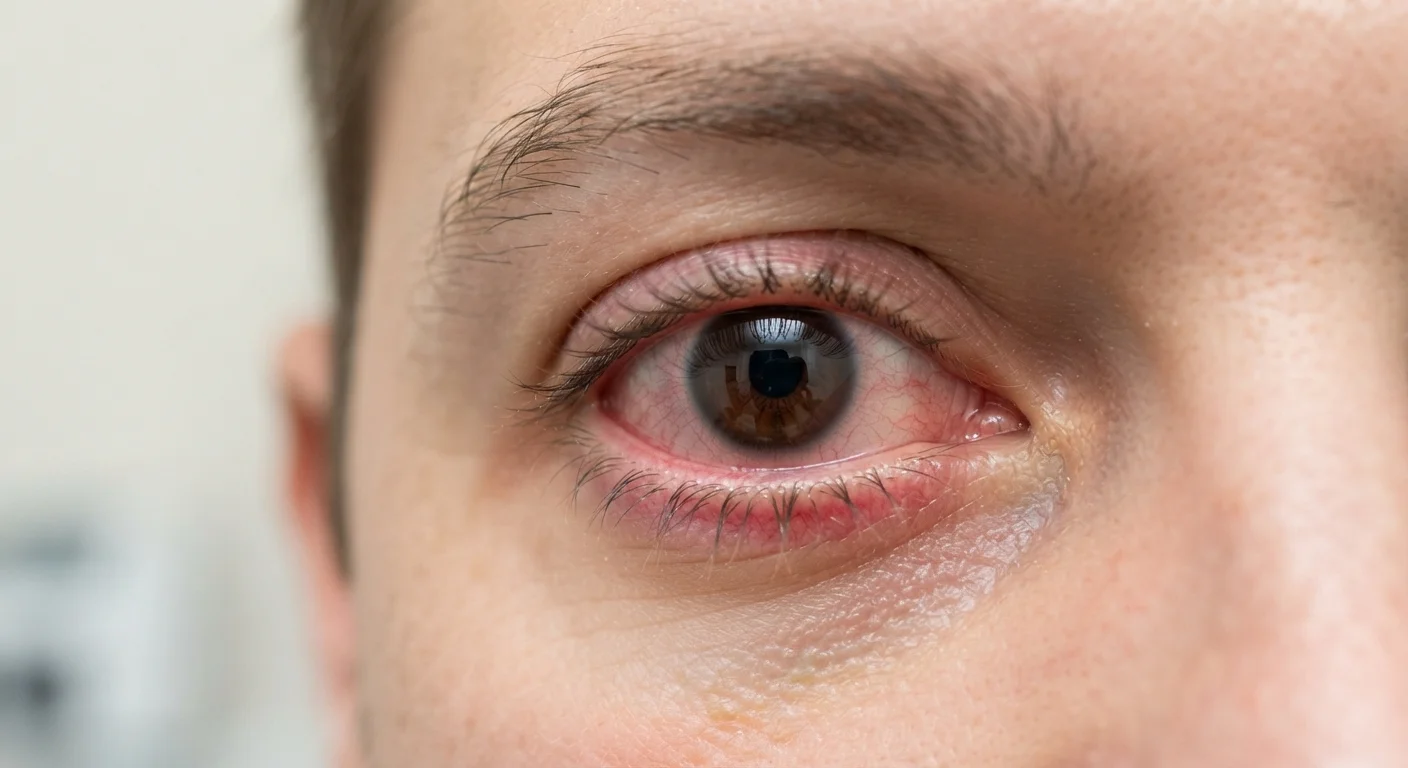
Photo: HerbHealWellness.com | Modern Guide To Wellness editorial
Key Takeaways
- Conjunctivitis has three main types: bacterial, viral, and allergic — each with different causes and treatments.
- Bacterial conjunctivitis typically produces thick discharge and usually responds to antibiotic eye drops.
- Viral conjunctivitis is highly contagious and most cases resolve on their own without antibiotics.
- Allergic conjunctivitis causes intense itching and is triggered by environmental allergens, not infection.
- Certain symptoms — pain, vision changes, or light sensitivity — always warrant prompt professional evaluation.
What Is Conjunctivitis?
Conjunctivitis — widely known as pink eye — is an inflammation of the conjunctiva, the thin transparent tissue lining the inside of the eyelid and covering the white part of the eye. When inflamed, small blood vessels in the conjunctiva become more visible, producing the characteristic pink or red appearance.
Despite sharing this defining sign, bacterial, viral, and allergic conjunctivitis arise from entirely different triggers and follow different clinical courses. Grouping them under a single label can lead to confusion about contagiousness, treatment, and when to seek care. Understanding the distinctions matters — both for managing symptoms appropriately and for protecting others when infection is involved. For a broader look at how viral and bacterial causes differ across the body, see our guide to viral vs. bacterial infections.
Comparing the Three Types
The table below maps the key differences across cause, typical symptoms, discharge type, contagiousness, and standard management approach.
| Bacterial | Viral | Allergic | |
|---|---|---|---|
| Primary cause | Bacteria (e.g., Staphylococcus, Haemophilus) | Virus (commonly adenovirus or herpes) | Allergens (pollen, pet dander, dust mites) |
| Discharge type | Thick, yellow-green, purulent | Watery or thin mucus | Watery; sometimes stringy mucus |
| Itching | Mild or absent | Mild | Prominent — often the dominant symptom |
| Affected eye(s) | Often starts in one, may spread | Often starts in one, spreads readily | Both eyes typically affected |
| Contagiousness | Yes — direct or indirect contact | Yes — highly contagious | No — not infectious |
| Associated symptoms | Eyelid crusting, swelling | Recent cold, sore throat, fever | Sneezing, runny nose, known allergies |
| Typical management | Antibiotic eye drops (by prescription) | Supportive care; resolves in 1–2 weeks | Antihistamine drops, allergen avoidance |
| Duration (typical) | 5–10 days with treatment | 7–14 days | Persists while allergen exposure continues |
Symptoms can overlap, and more than one type can occur at the same time — for example, a viral infection can trigger a secondary bacterial infection. If you are unsure which type you are dealing with, an eye care professional can assess and guide next steps. Readers who find it difficult to distinguish conjunctivitis from other eye irritation may also benefit from our article on dry eye vs. eye allergy.
When Symptoms Signal Something More Serious
Most conjunctivitis cases are uncomfortable but not vision-threatening. However, certain features should prompt same-day or urgent care rather than watchful waiting:
- Eye pain or significant discomfort beyond mild irritation
- Blurred vision that does not clear with blinking
- Sensitivity to light (photophobia)
- A corneal opacity — a white spot or cloudy area on the front of the eye
- Symptoms persisting beyond one week without improvement
- Newborns with eye discharge — this always requires prompt medical evaluation
Symptoms Requiring Urgent Attention
Contact lens wearers should stop wearing lenses at the first sign of conjunctivitis and consult an eye care provider before resuming use. Wearing lenses during active infection can increase the risk of a more serious corneal infection.
For a comprehensive look at red-eye symptoms that go beyond mild irritation, see when a red eye is more than mild irritation. Parents concerned about eye symptoms in children can find condition-specific guidance in our children's vision problems reference.
This article is for informational purposes only and does not constitute medical advice. Always consult a qualified eye care professional for diagnosis, treatment, or questions about your specific symptoms.
The content on this site is for informational purposes only and is not a substitute for professional advice. Always consult a qualified professional for guidance specific to your situation.