
Dry Eye vs. Eye Allergy: Telling Two Common Irritants Apart

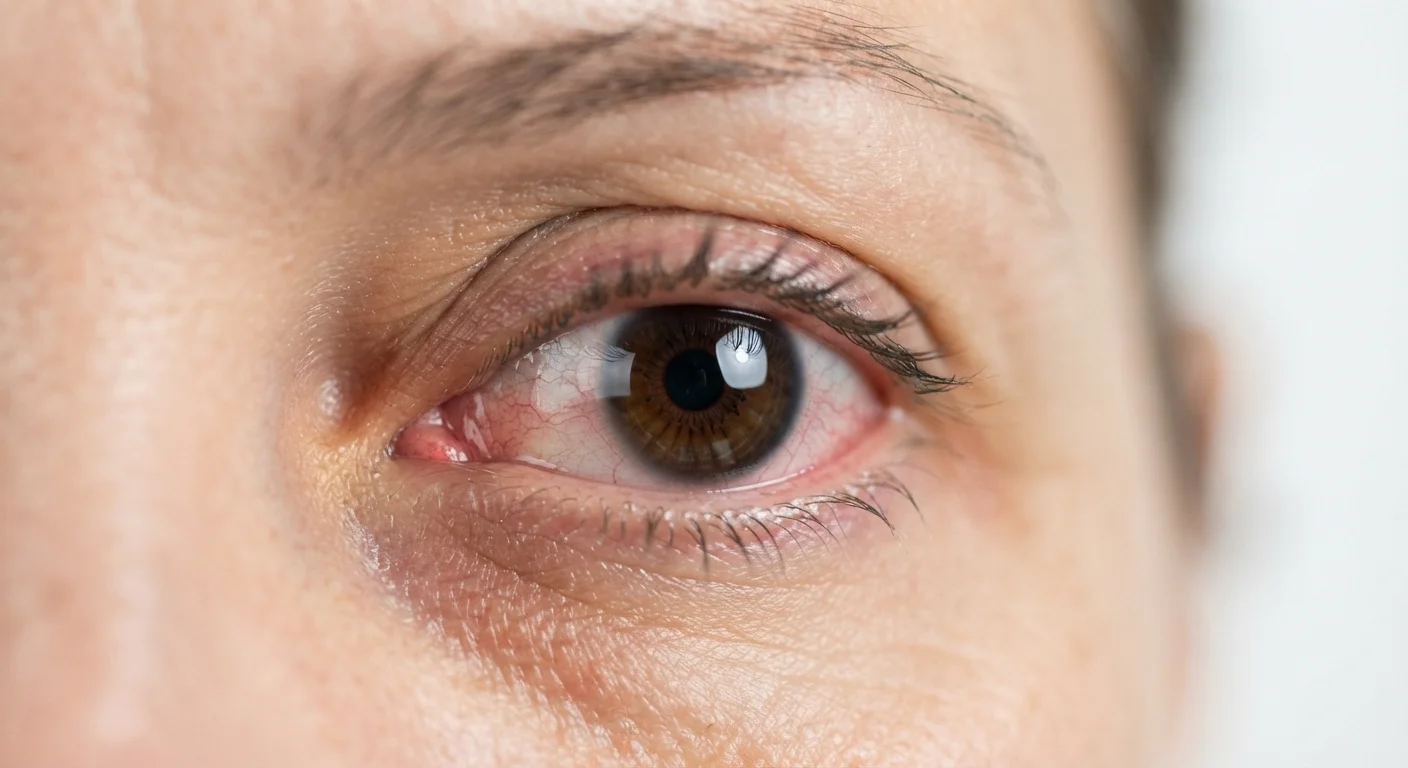
Photo: HerbHealWellness.com | Modern Guide To Wellness editorial
Key Takeaways
- Itching is the hallmark symptom of allergic conjunctivitis; dry eye typically causes burning or grittiness instead.
- Dry eye is a chronic tear-film problem, while allergic conjunctivitis is an immune reaction to specific triggers.
- Both conditions can worsen with screen use, air conditioning, and contact lens wear.
- Seasonal patterns and known allergies strongly suggest an allergic cause rather than dry eye.
- A correct diagnosis matters because the two conditions respond to different treatments.
- Always consult an eye care professional if symptoms are severe, persistent, or affecting vision.
Two Conditions, One Set of Complaints
Red, uncomfortable eyes are among the most common reasons people visit an eye care professional — yet the two most frequent culprits, dry eye disease and allergic conjunctivitis, are regularly confused with each other. Both can cause redness, tearing, and general irritation, making a quick self-diagnosis unreliable.
The distinction matters clinically: reaching for an antihistamine eye drop when you have dry eye, or using artificial tears when your eyes are reacting to cat dander, offers limited relief and delays appropriate care. Understanding what each condition actually is helps you describe your symptoms more precisely and guides you toward the right pathway.
For readers who experience eye discomfort primarily after long hours at a screen, it is worth noting that a separate pattern — digital eye strain — can produce overlapping symptoms. See our guide on digital eye strain for how screen-related fatigue compares to a true tear-film or allergic problem.
What Each Condition Actually Involves
Dry Eye Disease occurs when the eye's tear film is insufficient in volume, stability, or composition. Tears are a layered structure — an outer lipid layer, a middle aqueous layer, and an inner mucin layer — and a deficiency in any of them can leave the ocular surface exposed and irritated. The most common form, evaporative dry eye, is linked to meibomian gland dysfunction, where the oil-producing glands along the eyelid margin become blocked, causing tears to evaporate too quickly. Risk factors include aging, hormonal changes, certain medications (antihistamines, antidepressants, and others), prolonged screen use, and environmental conditions like low humidity.
Allergic conjunctivitis is an immune-mediated response. When the conjunctiva — the thin membrane lining the inner eyelid and covering the white of the eye — encounters an allergen such as pollen, dust mites, mold spores, or pet dander, mast cells release histamine and other inflammatory mediators. This cascade produces the hallmark symptoms of the condition. Seasonal allergic conjunctivitis tracks pollen seasons; perennial allergic conjunctivitis persists year-round due to indoor allergens.
| Criterion | Dry Eye Disease | Allergic Conjunctivitis |
|---|---|---|
| Primary cause | Deficient or unstable tear film | Immune reaction to allergens |
| Hallmark symptom | Burning, grittiness, foreign-body sensation | Intense itching |
| Discharge type | Scant, sticky (especially on waking) | Stringy, mucus-like |
| Eyelid swelling | Uncommon | Common during flares |
| Seasonal pattern | Generally year-round | Often seasonal (pollen) or allergen-linked |
| Vision fluctuation | Common; improves briefly with blinking | Less typical |
| Associated symptoms | Worsens with screens, dry air, wind | May coincide with sneezing, nasal symptoms |
| Primary management approach | Tear supplementation, lifestyle modification | Allergen avoidance, antihistamine drops |
The Symptom That Sets Them Apart
Clinicians often describe itching as the single most useful differentiating symptom. Intense, irresistible eye itching is the signature complaint of allergic conjunctivitis. It stems directly from histamine binding to receptors in the conjunctiva. Dry eye, by contrast, tends to produce burning, stinging, grittiness, or a foreign-body sensation — the feeling that something is caught in the eye. Some dry eye sufferers do experience mild itching, but it rarely reaches the urgency typical of an allergic reaction.
Other distinguishing clues include:
- Discharge: Allergic conjunctivitis often causes stringy, mucus-like discharge; dry eye may produce scant, sticky discharge upon waking.
- Swelling: Puffy, chemotic (swollen-looking) conjunctiva and eyelids favor an allergic cause.
- Timing: Symptoms that spike during spring tree pollen season or immediately after contact with a known allergen suggest allergy.
- Vision fluctuation: Blurring that temporarily improves after blinking — as the tear film briefly stabilizes — points more toward dry eye.
Because redness alone is nonspecific, it is important to look at the full symptom picture. The article When a Red Eye Is More Than Mild Irritation outlines warning signs that warrant prompt professional evaluation regardless of the underlying cause.
~16M
U.S. adults diagnosed with dry eye disease
Estimates from the American Academy of Ophthalmology suggest dry eye affects roughly 16 million Americans, with many more cases likely undiagnosed.
~40%
U.S. population affected by allergic conjunctivitis
Allergic conjunctivitis is estimated to affect up to 40% of the population in some form, according to general allergy prevalence data widely cited in ophthalmologic literature.
Up to 50%
Dry eye patients who also have ocular allergy
Research published in clinical ophthalmology journals indicates a meaningful overlap, with some studies finding that roughly half of dry eye patients also report allergic eye symptoms.
Care Approaches and When to Seek Help
Because the mechanisms differ, so do the management strategies. Dry eye management generally focuses on supplementing or stabilizing the tear film — preservative-free artificial tears are a commonly recommended starting point — and addressing contributing factors such as reducing screen time, adjusting indoor humidity, and treating meibomian gland dysfunction with warm compresses. Prescription options, when appropriate, may target inflammation on the ocular surface; an eye care provider determines which approach fits an individual's pattern.
Allergic conjunctivitis management typically involves reducing allergen exposure where possible and using agents that block or counter the histamine response. Topical antihistamine/mast-cell-stabilizing drops are a mainstay of treatment for many people. Cold compresses can relieve acute swelling, and contact lens wearers may need to temporarily discontinue wear during flares.
It is also possible to have both conditions simultaneously — dry eye can amplify allergic sensitivity, and antihistamines taken for allergy relief can worsen tear production. This overlap is one reason a professional assessment adds real value. For a broader look at conditions that share overlapping signs, Eye Conditions That Are Often Mistaken for One Another provides useful context.
If you experience eye pain, light sensitivity, significantly reduced vision, or symptoms that do not respond to basic comfort measures, see an eye care professional promptly. And if redness is your primary concern, Conjunctivitis Demystified explains how allergic pink eye differs from bacterial and viral forms.
This article is for general informational purposes only and does not constitute medical advice. Always consult a qualified eye care professional for personal guidance about your symptoms or care options.
The content on this site is for informational purposes only and is not a substitute for professional advice. Always consult a qualified professional for guidance specific to your situation.