
Common Eye Conditions

Protecting Eye Health as You Age: What Changes, and What You Can Do About It

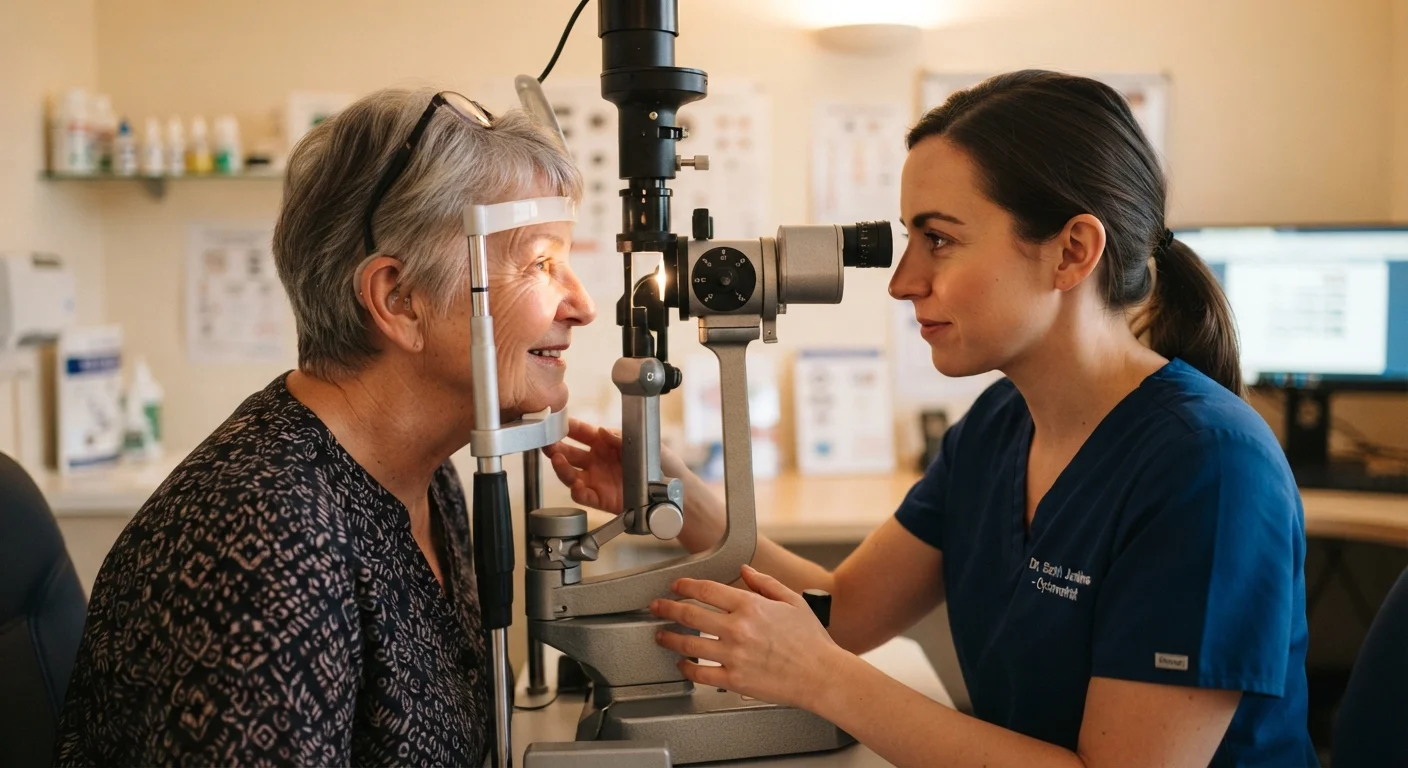
Protecting Eye Health as You Age: What Changes, and What You Can Do About It

Photo: HerbHealWellness.com | Modern Guide To Wellness editorial

From presbyopia to increased cataract risk, ageing brings predictable shifts in eye health. Learn what to monitor and when professional review is warranted.

Key Takeaways

  • Presbyopia, dry eye, and increased cataract and glaucoma risk are normal features of aging eyes.
  • Many serious age-related eye conditions progress without obvious early symptoms, making exams essential.
  • Lifestyle choices — nutrition, UV protection, and not smoking — can meaningfully reduce risk over time.
  • Adults over 60 should have a comprehensive dilated eye exam at least every one to two years.
  • Sudden changes in vision always warrant prompt professional evaluation, not a wait-and-see approach.

How Aging Affects the Eyes

Vision change is one of the most universal aspects of growing older, yet many people are caught off guard by what happens and when. Understanding the biological shifts at play makes it easier to recognize what is normal, what warrants monitoring, and what demands urgent attention.

The lens of the eye gradually stiffens with age, reducing its ability to flex and focus on nearby objects — a condition called presbyopia. Most people notice this in their early to mid-forties when reading at arm's length becomes difficult. Separately, tear production often declines, leading to chronic dry eye that can cause discomfort, blurred vision, and sensitivity to light.

Beyond these near-universal changes, the risk of more serious conditions rises significantly after age 60. These include cataracts (clouding of the lens), age-related macular degeneration (AMD) (deterioration of the central retina), glaucoma (damage to the optic nerve, often linked to elevated eye pressure), and diabetic retinopathy in those living with diabetes. Many of these develop silently — which is why routine professional evaluation is not optional.

For a deeper look at how one of the most common of these conditions develops, see our guide on why the eye's lens clouds over with cataracts.

Best Practices for Protecting Your Vision as You Age

Proactive habits, adopted early and maintained consistently, are the most effective tools available to older adults concerned about vision health. The practices below reflect established guidance from optometric and ophthalmologic organizations.

1

Schedule comprehensive dilated eye exams at the intervals your provider recommends.

Conditions like glaucoma and AMD cause little or no discomfort in their early stages, meaning self-monitoring alone is unreliable. Dilation allows the clinician to examine the full retina, optic nerve, and lens. Early detection dramatically expands treatment options and the ability to preserve functional vision.
Example: An adult with no current vision complaints schedules an annual dilated exam after turning 65, enabling their optometrist to detect early glaucomatous changes and refer for pressure-lowering treatment before peripheral vision is affected.
2

Wear UV-blocking sunglasses whenever you are outdoors in daylight.

Cumulative ultraviolet exposure is linked to accelerated cataract formation and increased AMD risk. Wraparound or large-frame styles offer broader coverage. This habit costs nothing beyond the initial purchase and provides compounding benefit over decades.
Example: A retired gardener who wears wraparound UV-400 sunglasses year-round significantly reduces the total UV dose her eyes receive compared with someone who only wears sunglasses on bright summer days.
3

Do not smoke, and if you currently smoke, seek support to quit.

Smoking is one of the strongest modifiable risk factors for both AMD and cataracts. Research consistently shows that current smokers face substantially higher rates of these conditions than non-smokers. The risk begins to decrease after quitting, though it does not immediately return to baseline.
Example: Epidemiological studies reviewed by the American Academy of Ophthalmology associate smoking with a two- to three-fold increased risk of developing AMD compared with those who have never smoked.
4

Support eye health through a nutrient-rich diet, particularly one rich in leafy greens and omega-3 fatty acids.

Lutein, zeaxanthin, vitamins C and E, and zinc are nutrients associated with reduced AMD progression risk in research including the AREDS2 clinical trial. While diet alone cannot guarantee healthy eyes, it forms part of a broader protective strategy. Our article on the role of nutrition in eye health explains the evidence in detail.
Example: Incorporating kale, spinach, eggs, and fatty fish into regular meals provides concentrated sources of the carotenoids and fatty acids most studied in relation to retinal health.
5

Monitor and manage systemic health conditions that affect the eyes.

Diabetes and hypertension both have direct pathways to vision damage — through diabetic retinopathy and hypertensive retinopathy, respectively. Good systemic disease management reduces, though does not eliminate, the ocular risk. Eye doctors can also detect signs of these conditions during a dilated exam. See our overview of eye care for people with diabetes for condition-specific guidance.
Example: A person with type 2 diabetes who maintains consistent blood glucose control and attends annual dilated retinal exams gives their care team the best opportunity to detect and treat retinopathy before significant vision loss occurs.
6

Report sudden or significant vision changes to an eye care professional promptly.

Sudden onset of floaters, flashes of light, a curtain-like shadow in the visual field, or abrupt loss of vision can signal retinal detachment, acute glaucoma, or other emergencies requiring same-day evaluation. Delays in seeking care for these presentations can result in permanent, irreversible damage.
Example: Someone who wakes up noticing a dark shadow across the lower portion of their vision contacts an ophthalmologist immediately rather than waiting for their next routine appointment, allowing surgical repair of a retinal detachment before it extends to the macula.

When to See a Professional — and Who to See

high Check when your last dilated eye exam was — if it was more than two years ago and you are over 50, call to book one this week.
medium Put on UV-protective sunglasses before going outside today, even on overcast days when UV still penetrates cloud cover.
medium Add one leafy green (spinach, kale, or similar) to your next meal to begin building a diet that includes lutein and zeaxanthin.
high Write down any visual symptoms you have been dismissing — floaters, glare, or blurry patches — and mention them at your next appointment.

Adults aged 60 and older are generally advised to have a comprehensive dilated eye exam every one to two years, or more frequently if a condition has already been identified. Those with diabetes, a family history of glaucoma, or other elevated risk factors may need more frequent review — see our exam frequency guide by age and risk factor for a detailed breakdown.

If you are unsure whether to see an optometrist or an ophthalmologist, our explainer on choosing the right eye care professional can help clarify the distinction. In brief, an optometrist handles routine exams, prescriptions, and initial detection of most conditions; an ophthalmologist provides specialized care and performs surgical interventions.

A Dilated Exam Reveals More Than Vision

A comprehensive dilated eye exam does more than check your prescription. Clinicians can observe blood vessel changes that may indicate diabetes, hypertension, or early neurological changes — often before symptoms appear elsewhere in the body. Our article on what eye doctors can infer beyond your prescription covers this in detail. This is one reason why eye exams are considered part of whole-body preventive care.

This article is for general informational purposes only and is not a substitute for professional medical advice. Always consult a qualified eye care professional regarding any concerns about your vision or eye health.

Vision & Eye Care Editorial Team

HerbHealWellness.com | Modern Guide To Wellness

Vision & Eye Care Editorial Team is the collective byline for our editorial team and contributor network. Articles published under this byline or an editorial pen name are researched, written, and reviewed according to our editorial standards for clarity, consistency, and independence before publication.

Common Eye ConditionsEye Exam & PreventionVision Correction Options
View author profile

The content on this site is for informational purposes only and is not a substitute for professional advice. Always consult a qualified professional for guidance specific to your situation.