
Optometrist vs. Ophthalmologist: Which Do You Need for Preventive Care?

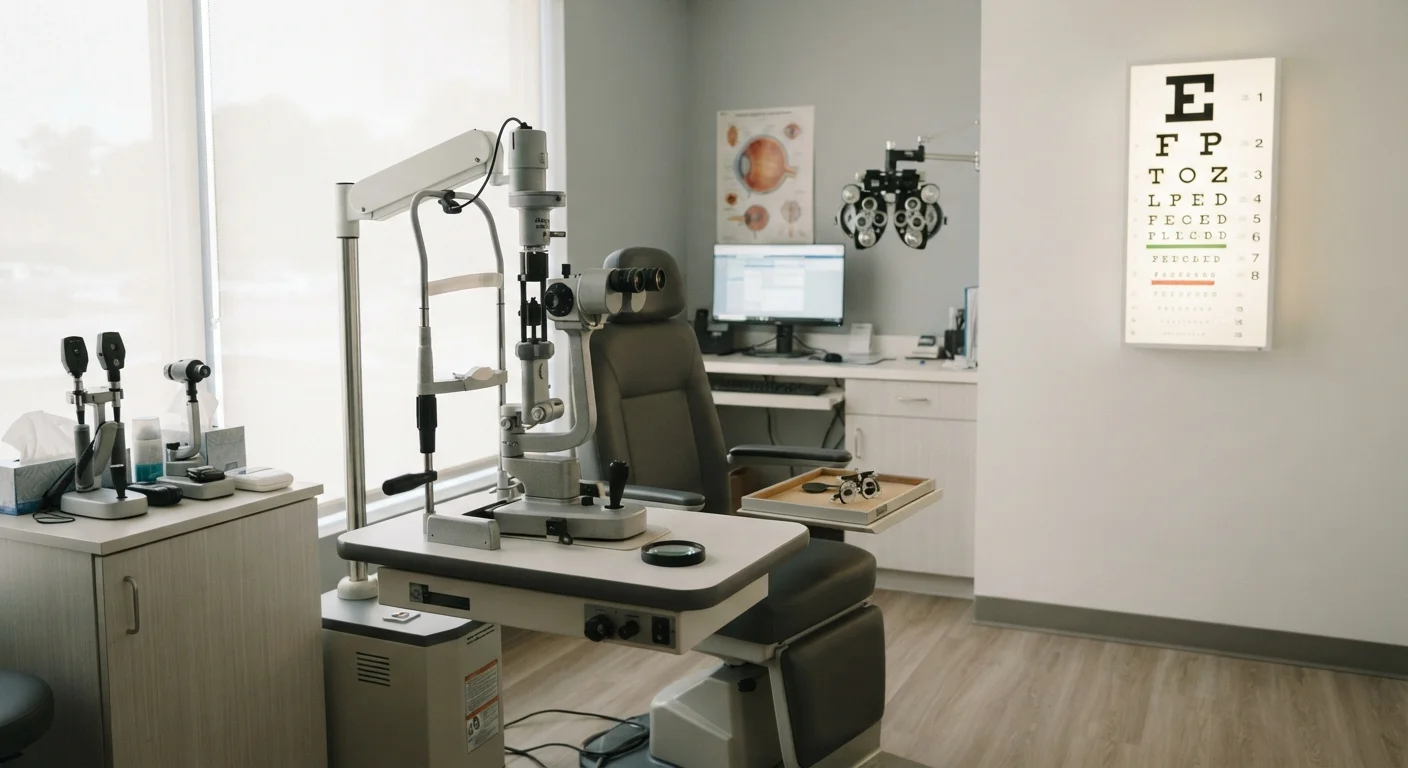
Photo: HerbHealWellness.com | Modern Guide To Wellness editorial
Key Takeaways
- Optometrists hold a Doctor of Optometry degree and handle most routine preventive eye care needs.
- Ophthalmologists are physicians who can perform surgery and manage complex or progressive eye disease.
- Most healthy adults can start with an optometrist for annual exams and prescription evaluations.
- Certain risk factors — including diabetes, family history of glaucoma, or sudden vision changes — may warrant an ophthalmologist.
- Optometrists routinely refer patients to ophthalmologists when findings exceed their scope of practice.
- Both professions contribute meaningfully to a proactive, lifelong eye health strategy.
Two Distinct Credentials, One Shared Goal
When most people schedule an "eye appointment," they may not realize they are choosing between two distinct types of clinicians. An optometrist earns a Doctor of Optometry (OD) degree after completing a four-year post-graduate program focused on the eye and visual system. An ophthalmologist is a medical doctor (MD or DO) who completed medical school followed by a residency — and often a fellowship — in ophthalmology. Both are licensed to examine eyes and diagnose conditions, but their training equips them for different levels of care.
Understanding this distinction helps you use the healthcare system more efficiently and ensures you see the right professional at the right time. As noted in related guidance, what an eye doctor can infer beyond your prescription depends on the depth of the examination — and both specialists contribute to that picture in different ways.
| Criterion | Optometrist (OD) | Ophthalmologist (MD/DO) |
|---|---|---|
| Degree | Doctor of Optometry (OD) | Medical Doctor (MD or DO) |
| Training length (post-undergrad) | 4-year optometry program | 4-year med school + 3–5 year residency |
| Routine eye exams | Yes — core scope | Yes — but less common focus |
| Prescribes corrective lenses | Yes | Yes |
| Prescribes eye medications | Yes (topical, varies by state) | Yes (full prescription authority) |
| Performs eye surgery | No | Yes |
| Manages complex eye disease | Limited; refers when needed | Yes — full scope |
| Typical appointment availability | Generally more accessible | May require referral or longer wait |
What Optometrists Do in Preventive Care
For most healthy adults, an optometrist is the appropriate first stop. A comprehensive optometric exam typically includes visual acuity testing, refraction (to determine your glasses or contact lens prescription), intraocular pressure measurement, and an evaluation of the front and back of the eye. Many optometrists also perform dilated fundus exams to screen for early signs of glaucoma, macular degeneration, and diabetic retinopathy.
Optometrists are also your go-to resource if you are weighing eyeglasses versus contact lenses — they can fit and prescribe both. In most states, optometrists are also licensed to prescribe topical medications for eye infections, dry eye, and inflammation, meaning many problems can be managed without a specialist referral.
~40,000
Practicing optometrists in the U.S.
The American Optometric Association estimates there are approximately 40,000 optometrists serving patients across the United States.
~18,000
Practicing ophthalmologists in the U.S.
The American Academy of Ophthalmology reports approximately 18,000 ophthalmologists currently in active patient care nationwide.
50%+
Adults who skip recommended eye exams
Research published by the CDC indicates that more than half of adults with vision loss had not seen an eye care professional in the past year.
When to See an Ophthalmologist
Ophthalmologists step in when conditions move beyond routine screening. They are the only eye care professionals who can perform surgery — including cataract removal, glaucoma procedures, and laser refractive surgery. They also manage complex medical conditions affecting the eye, such as uveitis (inflammation inside the eye), diabetic macular edema, and retinal tears or detachments.
You may be referred to an ophthalmologist by your optometrist, your primary care doctor, or an endocrinologist if a systemic condition puts your vision at risk. People with elevated risk factors — diabetes, a family history of glaucoma, or age-related changes — often benefit from co-managed care in which both an optometrist and an ophthalmologist play a role. For a deeper look at how aging affects the eyes and when specialist review becomes necessary, see protecting eye health as you age.
Co-Management Is Common and Effective
Building a Proactive Eye Care Routine
Preventive eye care is not a single event — it is an ongoing practice tied to your age, health status, and individual risk profile. The American Optometric Association and the American Academy of Ophthalmology both publish guidelines suggesting that adults with no known risk factors have a comprehensive eye exam at least every one to two years, with more frequent visits recommended after age 60 or for those with elevated risk.
For personalized guidance on how often you should be seen, eye exam frequency by age and risk factor provides a detailed breakdown by life stage and condition. Building a relationship with a primary eye care provider — whether an optometrist or ophthalmologist — is one of the most reliable ways to catch problems early, when treatment options are widest and outcomes are generally better.
This article is for informational purposes only and does not constitute medical advice. Consult a qualified eye care professional for guidance tailored to your individual health needs.
The content on this site is for informational purposes only and is not a substitute for professional advice. Always consult a qualified professional for guidance specific to your situation.