
Am I a Candidate for Laser Eye Surgery? Key Factors Clinicians Consider

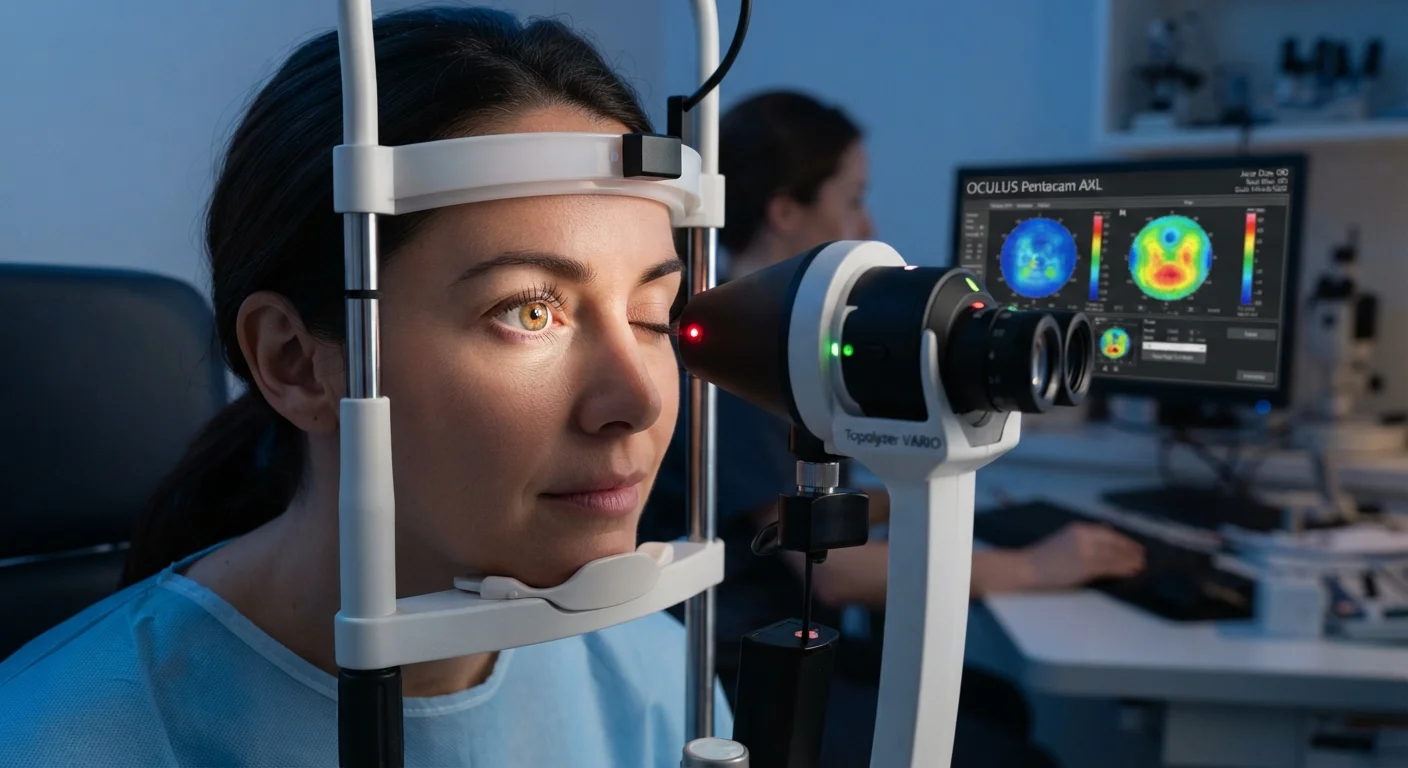
Photo: HerbHealWellness.com | Modern Guide To Wellness editorial
Key Takeaways
- Laser eye surgery is not suitable for everyone—candidacy depends on several clinical criteria.
- Corneal thickness is one of the most critical factors; thin corneas may rule out certain procedures.
- Your prescription must fall within a treatable range and remain stable for at least one to two years.
- Age, dry eye status, and underlying eye conditions can all affect eligibility.
- A comprehensive pre-surgical evaluation by a qualified ophthalmologist is essential before any decision.
Why Candidacy Evaluation Matters
The appeal of laser vision correction is understandable—the prospect of waking up with clear sight, free of glasses or contacts, is compelling for millions of Americans. But laser eye surgery is a permanent procedure that reshapes corneal tissue, and not every eye is anatomically or medically suited to it. Determining candidacy is a careful, individualized clinical process—not a checklist anyone can complete at home.
Understanding the criteria clinicians use helps you approach a consultation with realistic expectations and the right questions. For a broader overview of how laser surgery fits alongside other correction methods, see Glasses, Contact Lenses, and Surgery: Navigating Your Vision Correction Choices.
This Is General Information, Not a Diagnosis
Corneal Thickness and Shape
The cornea is the clear dome at the front of your eye, and laser procedures work by precisely removing microscopic layers of corneal tissue to reshape how your eye focuses light. This means the cornea must be thick enough to tolerate the procedure while retaining structural integrity.
Surgeons use a measurement called pachymetry to assess corneal thickness. Corneas that are too thin may not leave a sufficient safety margin after treatment, increasing the risk of a rare but serious complication called ectasia—a progressive weakening and bulging of the cornea.
Equally important is corneal shape. Corneal topography maps the curvature of the entire surface to detect irregular patterns associated with conditions like keratoconus. Even early, subclinical irregularities can disqualify a patient from laser surgery to protect long-term corneal health.
~500µm
Typical minimum safe corneal thickness for LASIK candidacy
Ophthalmologic guidelines generally cite a residual stromal bed of at least 250 micrometers post-treatment, requiring adequate pre-operative thickness.
45.2 million
Americans who have undergone laser vision correction
The American Refractive Surgery Council estimates this cumulative figure, reflecting decades of LASIK and related procedures in the US.
Prescription Stability and Range
Laser surgery corrects refractive errors—nearsightedness (myopia), farsightedness (hyperopia), and astigmatism—by altering the shape of the cornea. Each laser platform has an approved treatment range, and prescriptions outside those limits cannot be safely or fully corrected with the laser alone.
Equally important is prescription stability. If your glasses or contact lens prescription has changed significantly in the past year or two, your eye is still changing—and surgery performed on a moving target may not deliver lasting results. Most surgeons look for at least one to two years of stable refraction before proceeding.
For younger patients, this often means waiting. Eyes tend to stabilize in the mid-to-late 20s, though this varies by individual. Regular eye exams are the best way to track stability over time—see Eye Exam Frequency by Age and Risk Factor for guidance on how often to get checked.
Age, Dry Eye, and Overall Eye Health
Age affects candidacy from both ends of the spectrum. On the younger end, eyes may not yet be stable. On the older end—typically from the mid-40s onward—the natural lens inside the eye begins to lose flexibility, causing presbyopia (the gradual loss of near-focus ability). Laser surgery corrects the cornea but does not address the lens, so older candidates may still need reading glasses after surgery even if distance vision is corrected.
Dry eye disease is another significant consideration. LASIK involves cutting a corneal flap, which temporarily disrupts the nerves that regulate tear production. Patients with pre-existing, significant dry eye may experience a worsening of symptoms after surgery. Clinicians assess tear production and quality before proceeding and may recommend treating dry eye first.
General eye health also matters. Conditions such as glaucoma, uncontrolled diabetes affecting the eyes, a history of certain infections, or significant retinal disease may complicate surgery or recovery. Your surgeon will conduct a dilated eye exam and review your full ocular history as part of the evaluation.
Questions to Ask at Your Consultation
When Laser Surgery Is Not the Right Fit
Being told you are not a candidate for LASIK does not mean surgical vision correction is off the table entirely. Procedures like PRK (photorefractive keratectomy) avoid the corneal flap and may suit patients with thinner corneas. Newer options such as SMILE (Small Incision Lenticule Extraction) or implantable collamer lenses (ICL) address different anatomical profiles. Surgical Vision Correction Beyond LASIK: SMILE, ICL, and Refractive Lens Exchange explores these alternatives in detail.
For many people, glasses and contact lenses remain excellent, low-risk solutions that can be tailored to virtually any lifestyle. Eyeglasses vs. Contact Lenses: Which Fits Your Lifestyle? can help you evaluate those options if surgery is not the right path for you.
The most important step is a comprehensive evaluation with a board-certified ophthalmologist who can assess your individual anatomy, health history, and visual goals before any decision is made.
This article is for general informational and educational purposes only and does not constitute medical advice. Consult a qualified eye care professional to discuss your individual circumstances and determine the most appropriate course of action for your vision health.
Frequently Asked Questions
The content on this site is for informational purposes only and is not a substitute for professional advice. Always consult a qualified professional for guidance specific to your situation.