
Before Your First Contact Lens Fitting: What to Expect and Prepare

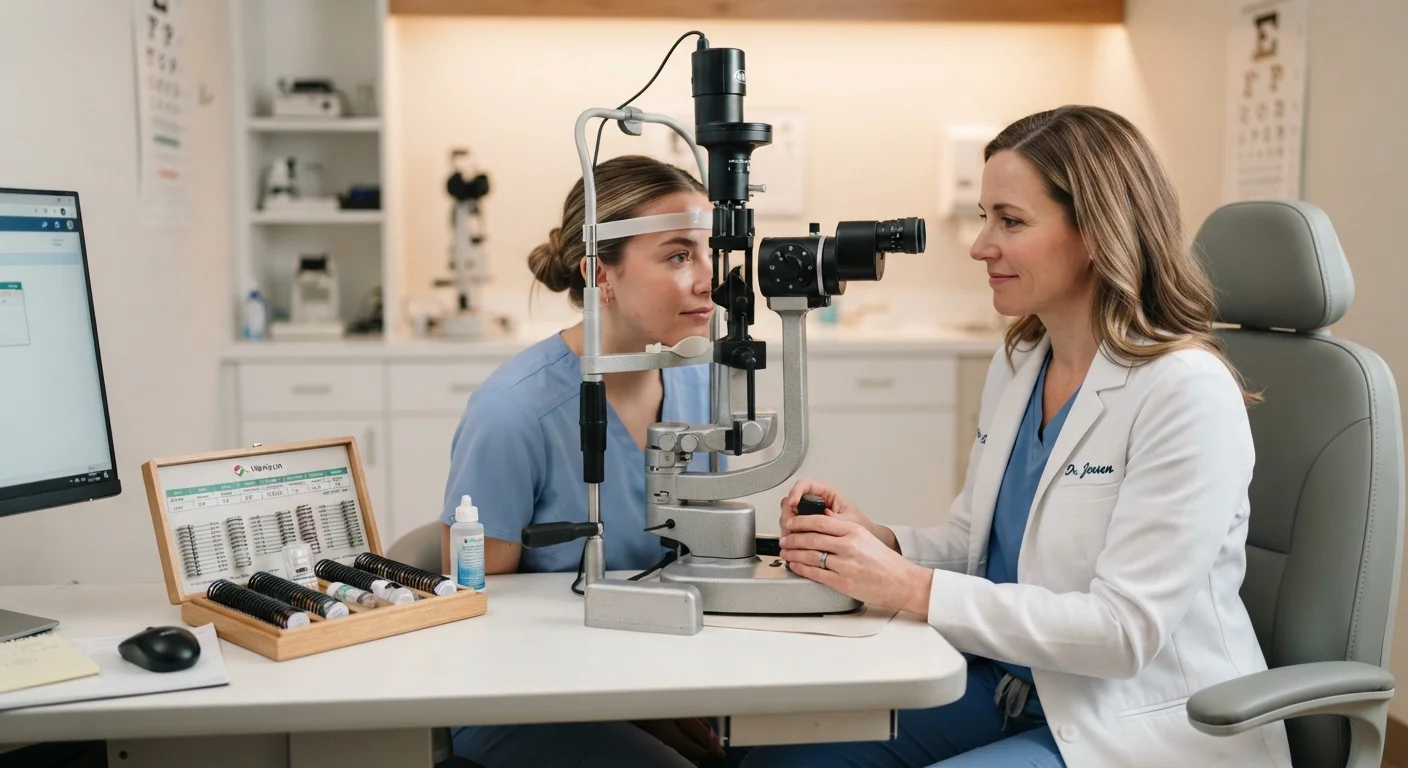
Photo: HerbHealWellness.com | Modern Guide To Wellness editorial
Key Takeaways
- A contact lens fitting is a separate appointment from a routine eye exam and involves additional measurements.
- Sharing your full medical history, medications, and lifestyle details helps your provider choose the right lens type.
- Most first-time wearers spend time in-office practicing insertion, removal, and basic care before leaving.
- Wearing contacts before your fitting appointment can temporarily alter corneal shape and skew measurements.
- Follow-up visits are a standard part of any contact lens fitting and should not be skipped.
Why a Contact Lens Fitting Is More Than a Regular Eye Exam
If you already wear glasses, you might assume your existing prescription is all you need to order contact lenses. In practice, a contact lens fitting is a distinct clinical appointment that goes well beyond refraction. Your eye care provider will measure the curvature and diameter of your cornea, assess your tear film, and evaluate how a trial lens actually sits on your eye. These steps determine the correct BC and lens diameter — numbers that do not appear on a glasses prescription.
Understanding what happens during a fitting helps you arrive prepared, ask the right questions, and start wearing lenses safely. If you are still weighing whether contacts are right for you at all, our comparison of glasses and contact lenses can help you think through comfort, cost, and lifestyle fit before you commit.
Before the Appointment
During the Fitting
Questions to Ask Your Provider
After the Fitting: First Two Weeks
Tools and Information Your Provider Will Use
Your eye care provider will use a combination of instruments and clinical judgment during the fitting. Knowing what they are can reduce any anxiety on the day.
Keratometer or Corneal Topographer
Measures the curvature of your cornea to determine the correct base curve and diameter for your lenses.
Slit Lamp Biomicroscope
Allows the provider to examine how a trial lens sits on the eye and assess corneal and conjunctival health.
Phoropter or Trial Lens Set
Used to refine your contact lens power, which may differ slightly from your glasses prescription.
Tear Film Assessment Tools
Evaluates tear quantity and quality to determine whether dry eye may affect lens comfort or suitability.
Trial Contact Lenses
Diagnostic lenses placed on the eye during the appointment to evaluate fit, comfort, and vision before a final prescription is issued.
Contact Lens Care Kit (starter)
Includes multipurpose solution and a lens case; often provided or recommended by the office so you can practice proper hygiene from day one.
Common Pitfalls to Avoid Before and After Your Fitting
Do Not Wear Contacts Before Your Fitting
Tap Water and Contact Lenses Do Not Mix
Once you leave the office with trial lenses, safe daily habits become your responsibility. Our guide on caring for contact lenses safely walks through cleaning routines, storage, and wearing schedules that protect your eyes long-term. For a broader checklist of what to bring and disclose at any eye appointment, see before your eye appointment.
Remove Lenses Immediately If These Symptoms Occur
This article is for general informational purposes only and does not constitute medical advice. Always consult a qualified eye care professional for guidance tailored to your individual vision and eye health needs.
The content on this site is for informational purposes only and is not a substitute for professional advice. Always consult a qualified professional for guidance specific to your situation.