
Caring for Contact Lenses Safely: Habits That Protect Your Eyes

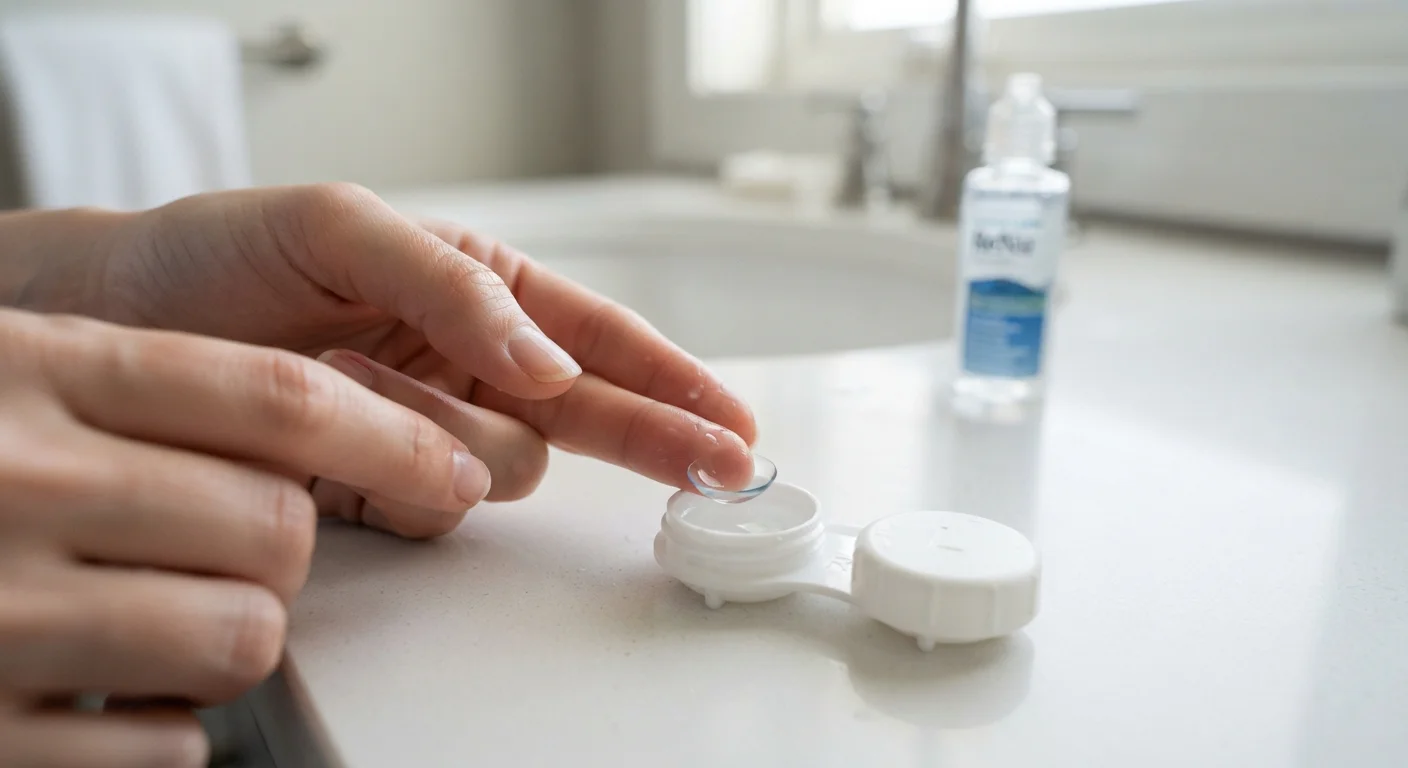
Photo: HerbHealWellness.com | Modern Guide To Wellness editorial
Key Takeaways
- Always wash and dry your hands thoroughly before handling contact lenses.
- Never rinse lenses or cases with tap water — use only sterile contact lens solution.
- Replace your lens case at least every three months to prevent bacterial buildup.
- Remove lenses before swimming, showering, or sleeping unless prescribed for extended wear.
- Follow your prescribed replacement schedule and attend annual eye exams.
Why Lens Hygiene Matters More Than Most Wearers Realize
Approximately 45 million Americans wear contact lenses, and the freedom they offer is real — but so is the risk when care routines slip. Contact lenses sit directly on the cornea, the eye's transparent outer surface, creating a potential pathway for bacteria, fungi, and parasites to cause infection. The good news: the large majority of contact lens-related eye problems are preventable with consistent habits.
If you are still weighing whether contacts are right for you, see our comparison of glasses and contact lenses to understand how each option fits different lifestyles. And if you are new to contacts, preparing for your first fitting covers the baseline habits to establish from day one.
~1 million
Annual U.S. doctor visits for contact lens-related eye infections
According to CDC estimates, roughly one million Americans seek medical care for contact lens complications each year.
99%
Of contact lens wearers who report at least one risky behavior
A CDC survey found that nearly all contact lens wearers acknowledge habits — such as sleeping in lenses or topping off solution — that increase infection risk.
Core Practices for Safe Contact Lens Care
The following evidence-based practices are recommended by optometric and public health authorities to minimize your risk of infection and keep your corneas healthy over the long term. Consistency matters — a single lapse in hygiene on the wrong day can be enough to introduce a harmful pathogen.
Daily Disposables Are Different
Wash and thoroughly dry your hands before every lens insertion and removal.
Use fresh, sterile contact lens solution every time you store your lenses — never top off old solution.
Rub and rinse your lenses with solution even if the packaging says 'no-rub.'
Replace your lens storage case at least every three months.
Never wear contact lenses while swimming, in the shower, or in a hot tub.
Adhere strictly to the replacement schedule prescribed by your eye care provider.
Warning Signs and When to Seek Care
Good hygiene significantly reduces risk, but it does not eliminate it entirely. Knowing the early warning signs of a contact lens complication is just as important as cleaning technique.
When to Remove Lenses Immediately
Prompt evaluation is essential because some infections — particularly bacterial keratitis — can progress rapidly. Never attempt to self-treat eye infections with over-the-counter drops without professional guidance. For a broader view of conditions that affect corneal health, visit our common eye conditions hub.
Annual comprehensive eye exams give your provider the opportunity to detect subclinical changes in corneal health before symptoms appear. Learn more about building a prevention-focused routine at our eye exam and prevention hub.
Start Today: Quick Wins for Safer Lens Wear
You do not need to overhaul every habit at once. A few targeted changes can meaningfully reduce your risk starting today. For context on how different lens materials and replacement schedules affect your care routine, see our overview of contact lens types.
This article is for general informational purposes only and is not a substitute for professional medical advice, diagnosis, or treatment. Always consult a qualified eye care provider regarding any questions about your vision or lens care.
The content on this site is for informational purposes only and is not a substitute for professional advice. Always consult a qualified professional for guidance specific to your situation.