
What Happens During a Comprehensive Eye Exam

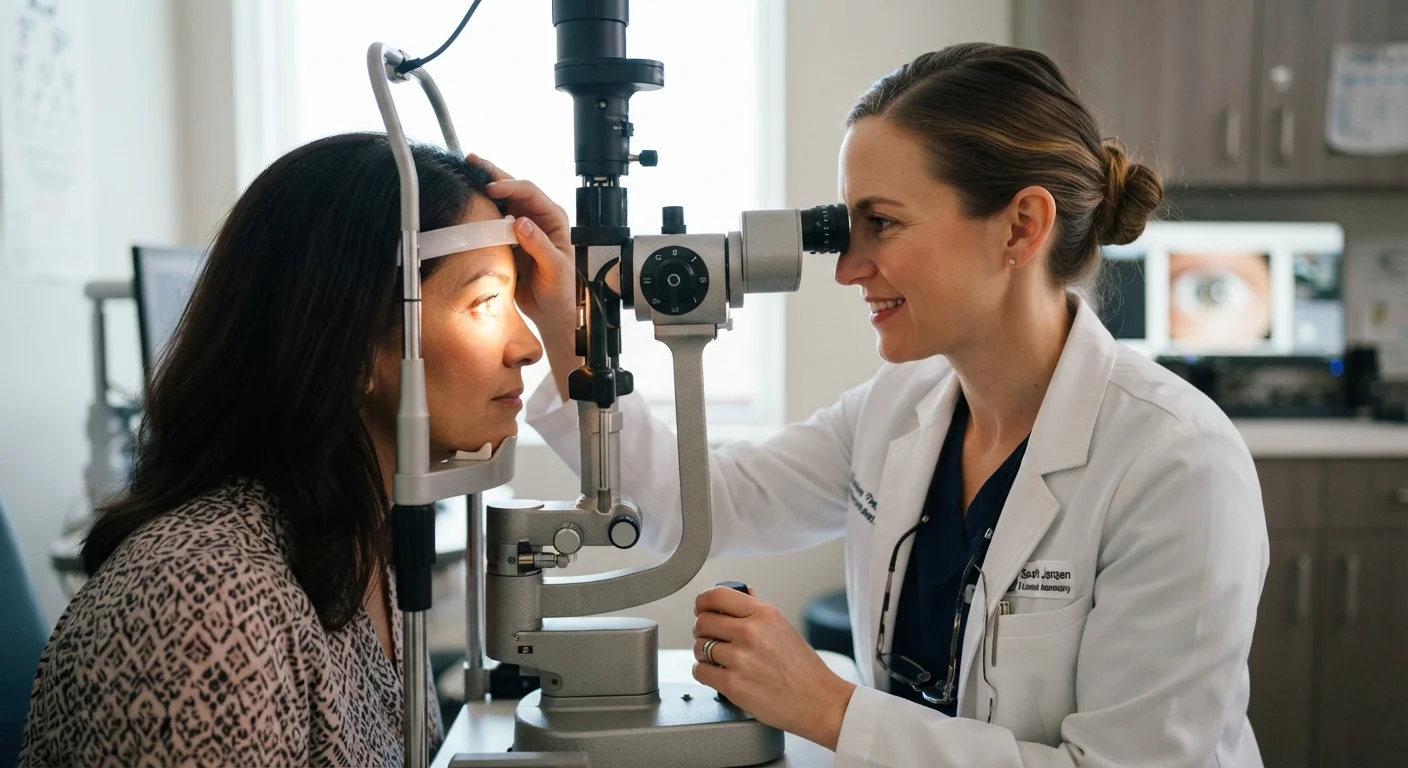
Photo: HerbHealWellness.com | Modern Guide To Wellness editorial
Key Takeaways
- A comprehensive eye exam tests both visual sharpness and internal eye health, not just your prescription.
- Dilation is a key step that allows your doctor to examine the retina and optic nerve in detail.
- Eye exams can reveal early signs of systemic conditions like diabetes and high blood pressure.
- Adults with no known eye problems are generally advised to have a comprehensive exam every one to two years.
- Bring a list of current medications and any symptoms to your appointment for the most productive visit.
More Than Just Reading Letters
Many people associate an eye exam with squinting at a wall chart and walking out with a new glasses prescription. In reality, a comprehensive eye exam is a multi-step clinical evaluation that assesses the full spectrum of your visual function and ocular health. Understanding what to expect can reduce anxiety, help you prepare, and ensure you get the most out of each visit.
For context on how this differs from a quick school or workplace check, the difference between a vision screening and a comprehensive exam is significant — screenings miss many conditions that a full exam would catch.
93M+
US adults at high risk for vision loss
According to the CDC, over 93 million US adults are at high risk for serious vision loss, yet only about half visited an eye doctor in the past year.
45–90 min
Typical duration of a comprehensive exam
The American Optometric Association notes that a full comprehensive exam generally takes between 45 and 90 minutes, depending on tests performed.
50%
Glaucoma cases that go undiagnosed
The Glaucoma Research Foundation estimates that roughly half of people with glaucoma in the US are unaware they have the condition, often because it has no early symptoms.
The Core Tests Performed
A comprehensive eye exam follows a structured sequence. While the exact order may vary by practice, the following components are standard:
- Patient history: Your doctor reviews your medical history, current medications, and any visual complaints. Conditions like diabetes and hypertension are relevant because they affect eye health.
- Visual acuity: You read letters from a standardized chart at distance and near. This establishes your baseline vision in each eye.
- Refraction: Using a phoropter — the instrument with multiple lens dials — your doctor determines the lens prescription, if any, that brings your vision to its sharpest. This identifies nearsightedness, farsightedness, and astigmatism.
- Binocular vision and eye movement testing: Your doctor checks how well your eyes work together, including alignment, focusing, and tracking — all critical for comfortable reading and depth perception.
- Intraocular pressure: A test for elevated eye pressure, which is a major risk factor for glaucoma. This may involve a gentle puff of air or a small probe lightly touching the eye surface after numbing drops.
- Slit lamp exam: A microscope illuminates the front structures of the eye — the cornea, iris, and lens — allowing the doctor to detect cataracts, corneal disease, and other anterior eye conditions.
Prepare Before You Arrive
Dilation and the Posterior Exam
One of the most distinctive parts of a comprehensive exam is dilation. Drops are placed in each eye to widen the pupil, giving the doctor a clear, unobstructed view of the retina, optic nerve, and blood vessels at the back of the eye.
This step allows your doctor to detect or monitor conditions including:
- Age-related macular degeneration
- Diabetic retinopathy
- Glaucomatous optic nerve changes
- Retinal tears or detachments
The dilation effect — blurred near vision and sensitivity to bright light — typically lasts two to four hours, though it varies by individual. Some practices use retinal imaging technology as a supplement or alternative to dilation for certain patients.
What the exam reveals can extend well beyond vision. As detailed in our article on what your eye doctor can infer beyond your prescription, signs of systemic conditions like hypertension, diabetes, and even neurological changes are often visible in the retina's blood vessels and tissue.
After the Exam: Understanding Your Results
Once testing is complete, your doctor will review findings with you. If a refractive error is identified, you will receive a prescription for glasses or contact lenses. Your doctor can also discuss whether you may be a candidate for refractive surgery options such as LASIK, based on your corneal measurements and overall eye health — though any surgical decision involves a separate, more detailed consultation.
If a health concern is detected, next steps may include monitoring, referral to a specialist, or additional imaging. You can explore a wide range of common eye conditions to better understand what conditions may be identified during an exam.
For a more detailed walkthrough of each test in a standard visit, see our companion article on what actually happens during a routine eye exam.
This article is for general informational purposes only and does not constitute medical advice. Consult a qualified eye care professional for guidance specific to your health and vision needs.
Frequently Asked Questions
The content on this site is for informational purposes only and is not a substitute for professional advice. Always consult a qualified professional for guidance specific to your situation.