
Therapeutic Ultrasound in Physiotherapy: A Plain-Language Overview

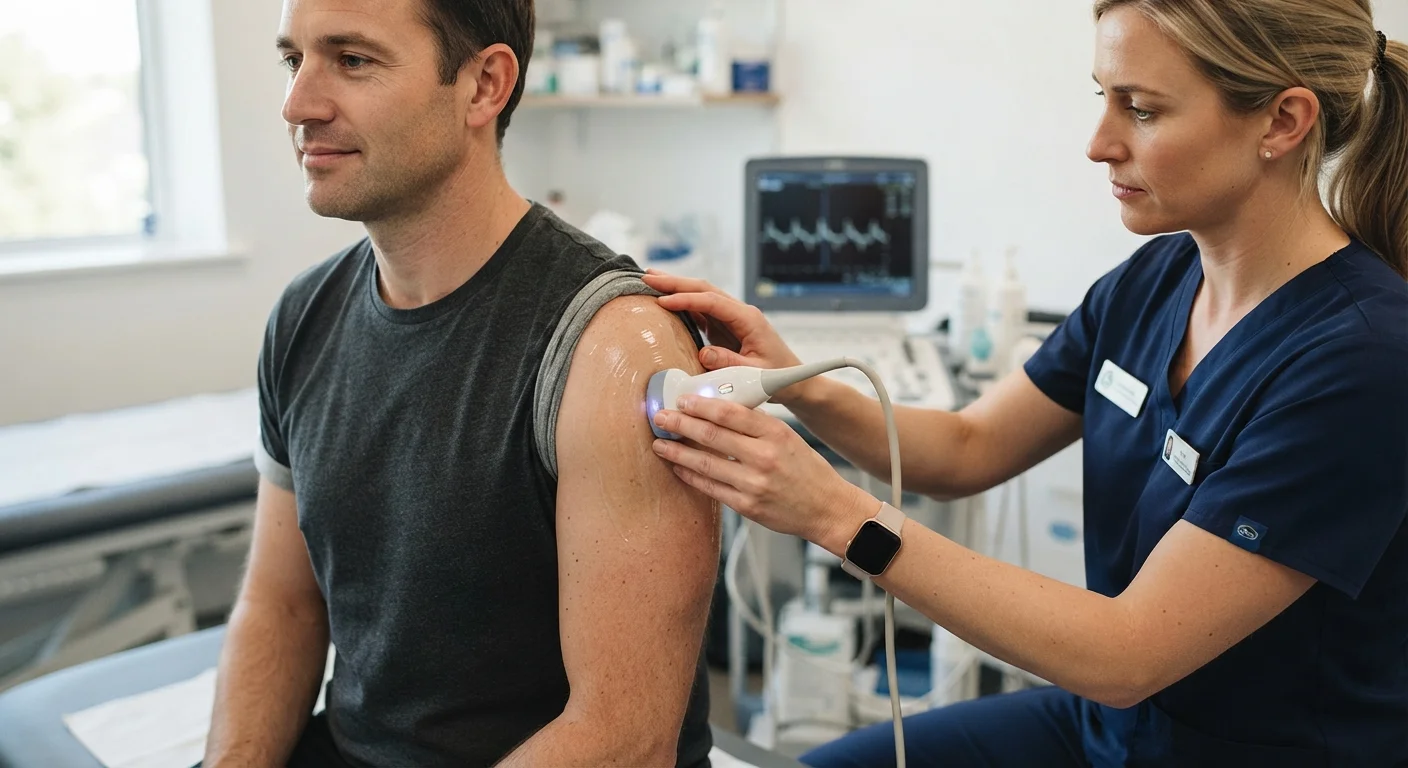
Photo: HerbHealWellness.com | Modern Guide To Wellness editorial
Key Takeaways
- Therapeutic ultrasound uses high-frequency sound waves to warm deep soft tissue, not to create diagnostic images.
- A physiotherapist moves a handheld transducer over gel-coated skin; the treatment is painless for most people.
- It is most commonly applied to tendons, ligaments, and muscle injuries rather than bone or joint conditions.
- Certain medical implants, active infections, and pregnancy near the treatment area are common contraindications.
- Evidence for its effectiveness varies by condition — always discuss expected benefits with your clinician.
What Is Therapeutic Ultrasound?
Therapeutic ultrasound is a physical modality used by physiotherapists to deliver sound energy into soft tissue. Unlike the diagnostic imaging you may have encountered in a hospital — which uses reflected sound waves to produce pictures of internal organs — therapeutic ultrasound is designed to have a biological effect on tissue itself. It is part of a broader class of interventions covered in our guide to therapeutic devices and how they work.
The treatment typically operates at frequencies between 1 MHz and 3 MHz. Lower frequencies (1 MHz) penetrate more deeply and are used for muscle and deeper soft tissue, while higher frequencies (3 MHz) act more superficially, targeting tendons and ligaments closer to the skin's surface.
Transducer
The handheld probe component of an ultrasound device that converts electrical signals into sound waves and applies them to tissue.
Piezoelectric crystal
A material inside the transducer that vibrates rapidly when an electric current passes through it, generating the ultrasound waves.
Acoustic cavitation
The oscillation or movement of microscopic gas bubbles in tissue fluid caused by sound waves, which may influence cell behavior and promote healing.
Coupling gel
A water-based gel applied to the skin before ultrasound treatment to allow sound waves to pass efficiently into the body without being blocked by air.
Pulsed mode
A setting on a therapeutic ultrasound device that delivers sound energy in intermittent bursts rather than continuously, minimizing heat buildup while retaining mechanical effects.
Continuous mode
A setting that delivers uninterrupted sound energy, producing a more pronounced heating effect in the target tissue.
How the Device Works
A therapeutic ultrasound unit consists of a generator and a handheld transducer — a smooth probe that converts electrical energy into mechanical sound waves via a piezoelectric crystal. The sound waves travel through a coupling gel applied to the skin, which prevents air from disrupting transmission.
These sound waves produce two main effects in tissue:
- Thermal effects: Continuous ultrasound causes collagen-rich structures such as tendons and joint capsules to absorb sound energy and convert it to heat. This raises local tissue temperature, increases blood flow, and can make connective tissue more pliable.
- Non-thermal (mechanical) effects: Pulsed ultrasound delivers intermittent sound energy, producing a phenomenon called acoustic cavitation — the oscillation of tiny gas bubbles in tissue fluid — which may influence cell membrane permeability and promote repair processes without significant heating.
Physiotherapists select the mode, frequency, intensity, and treatment duration based on the tissue depth and the therapeutic goal for each session.
Ask About the Mode Being Used
What Conditions It May Help
Therapeutic ultrasound is most commonly used for soft-tissue conditions, including:
- Tendinopathies (such as Achilles or rotator cuff tendon injuries)
- Ligament sprains and muscle strains
- Bursitis
- Scar tissue management and soft-tissue contractures
- Plantar fasciitis
It is sometimes used alongside other physiotherapy interventions rather than as a standalone treatment. For context, other energy-based modalities — such as photobiomodulation (low-level light therapy) — target similar soft-tissue conditions through entirely different mechanisms.
Therapeutic ultrasound is generally not indicated for bone fractures, acute inflammatory flare-ups, or conditions involving active infection.
What to Expect During a Session
Before beginning, your physiotherapist will assess the treatment area, confirm there are no contraindications, and explain the procedure. You will typically be seated or lying down with the target area exposed.
Coupling gel — a clear, water-based medium — is applied to your skin. The therapist then moves the transducer slowly and continuously in overlapping circles or strokes over the area. Keeping the transducer moving is essential: a stationary transducer can cause localized heating that becomes uncomfortable or harmful.
Most people experience little or no sensation. A gentle warmth is possible with continuous mode. Sessions usually last between five and ten minutes per target area. The gel is wiped off afterward, and the skin is inspected for any unexpected reactions.
Unlike some other modalities, therapeutic ultrasound produces no sound audible to the human ear during application — the frequencies used are well above the 20 kHz upper limit of human hearing. For a direct comparison with diagnostic scanning, see how ultrasound therapy differs from diagnostic scans.
Contraindications and Precautions
Therapeutic ultrasound is not appropriate in all situations. Established contraindications typically include:
- Application over active malignancy or tumor sites
- Treatment over a cardiac pacemaker or electronic neural implant
- Application directly over the pregnant uterus
- Areas of active infection, deep vein thrombosis, or open wounds
- Treatment over growth plates in children (epiphyses)
- Patients with severely impaired sensation who cannot report discomfort
Do Not Self-Treat Without Professional Guidance
Always disclose your full medical history, including implants, medications, and any skin conditions, before your first session. A qualified physiotherapist will conduct a formal contraindication screen.
Evidence and Limitations
The clinical evidence base for therapeutic ultrasound is mixed. Some systematic reviews have found modest benefits for specific conditions such as rotator cuff tendinopathy and plantar fasciitis, while others have found little advantage over sham treatment (placebo) for conditions like chronic low back pain. The heterogeneity of study designs, dosing protocols, and outcome measures makes direct comparison difficult.
This mirrors a broader pattern across physical therapy modalities — including electrical stimulation, as discussed in our overview of common misunderstandings about TENS machines. In clinical practice, therapeutic ultrasound is rarely used in isolation; it is typically one component within a broader rehabilitation programme that includes exercise and manual therapy.
Readers interested in how diagnostic ultrasound works across the wider clinical setting may also find our article on ultrasound in clinical practice a useful companion read.
This article is for general informational purposes only and does not constitute medical advice. Always consult a qualified physiotherapist or healthcare professional before beginning any therapeutic treatment.
Frequently Asked Questions
The content on this site is for informational purposes only and is not a substitute for professional advice. Always consult a qualified professional for guidance specific to your situation.