
Drug Interactions Explained: Why Two Safe Medicines Can Become Dangerous Together

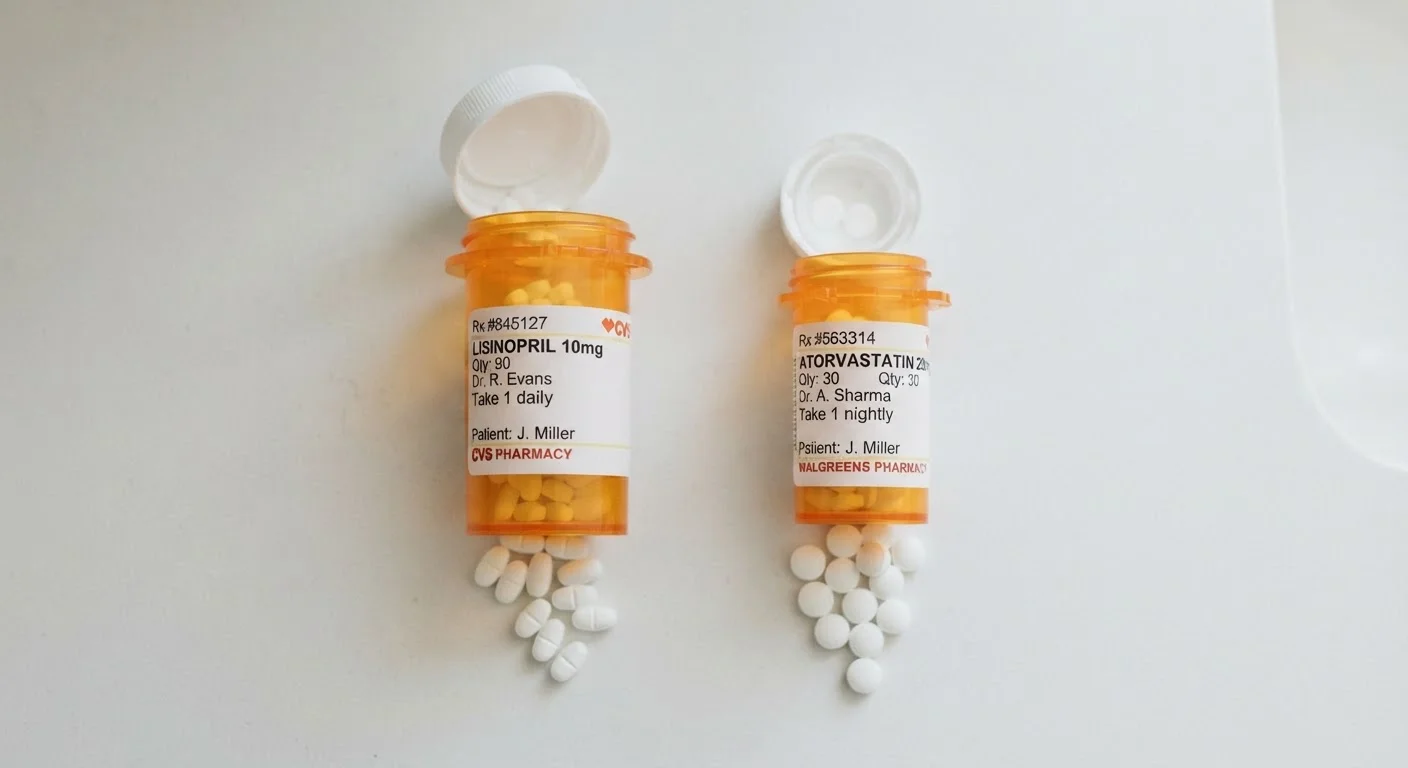
Photo: HerbHealWellness.com | Modern Guide To Wellness editorial
Key Takeaways
- A drug interaction can occur even when each medication is considered safe on its own.
- Interactions can make a drug stronger, weaker, or produce entirely unexpected effects.
- Over-the-counter drugs, supplements, and foods can all trigger interactions with prescription medicines.
- Your pharmacist is one of the best resources for checking whether your medications are safe together.
- Always disclose every medication and supplement you take to every healthcare provider you see.
How Drug Interactions Actually Happen
When you take a medication, your body works to absorb it, distribute it, break it down, and eliminate it. Introduce a second drug into that process and things get complicated. Each step — absorption, metabolism, and excretion — can be disrupted by another substance.
The most common site of interference is the liver, which uses a family of enzymes called cytochrome P450 (CYP450) to break down medications. Some drugs inhibit these enzymes, causing other drugs to build up to higher-than-intended levels. Others induce those same enzymes, causing drugs to be cleared too quickly — reducing their effectiveness. For a deeper look at how drugs move through the body, see the How Medications Work hub.
Interactions aren't limited to chemistry. Two drugs can also clash pharmacodynamically — meaning they work against each other at the receptor level, or amplify each other's effects beyond a safe threshold. A sedating antihistamine combined with a prescription sleep aid, for instance, can produce excessive central nervous system depression that neither drug would cause alone.
Interactions Aren't Always Harmful
Three Types of Interactions to Understand
Not all drug interactions work the same way. Understanding the main categories helps clarify why risk levels vary so widely.
- Drug–drug interactions: The most discussed type, occurring when two or more medications affect each other's absorption, metabolism, or action. This includes prescription-to-prescription, prescription-to-OTC, and OTC-to-OTC combinations.
- Drug–food interactions: Certain foods interfere directly with drug metabolism. Grapefruit juice is a well-documented example — it blocks an enzyme that clears many common medications, allowing drug levels to rise dangerously. High-vitamin-K foods can reduce the effectiveness of some anticoagulants.
- Drug–supplement interactions: Herbal supplements are biologically active substances, not inert additives. St. John's Wort, for instance, can significantly reduce the effectiveness of certain antidepressants, hormonal contraceptives, and antiretroviral drugs by speeding up their elimination.
For a molecular-level explanation of what happens when two drugs share a biological pathway, see Drug Interactions Demystified.
~125,000
US deaths annually linked to medication non-adherence and misuse
Estimates from the American College of Preventive Medicine suggest medication-related problems — including interactions — contribute to a significant share of preventable hospital admissions each year.
15%
Of hospitalised patients experience a drug interaction
Research published in clinical pharmacology literature consistently identifies drug interactions as a contributing factor in a meaningful proportion of adverse drug events among inpatients.
50%+
Of adults take at least one prescription drug
According to the CDC's National Center for Health Statistics, more than half of US adults use at least one prescription medication — making interaction awareness relevant to a majority of the population.
Who Is Most at Risk — and Why
Anyone can experience a drug interaction, but certain situations make them more likely.
People who see multiple specialists — a cardiologist, an endocrinologist, and a primary care physician, for example — may receive separate prescriptions from each provider without any single clinician reviewing the full picture. This is one of the central concerns explored in Polypharmacy: Understanding the Risks of Taking Multiple Medications at Once.
Older adults face compounded risk because age-related decline in liver and kidney function changes how drugs are processed. Individuals with chronic conditions that already affect organ function are similarly vulnerable. And anyone who takes over-the-counter medicines or supplements without mentioning them to their provider introduces unknown variables into their medication regimen.
Alcohol deserves special mention. It interacts with a wide range of common drugs, from antihistamines to antibiotics to blood pressure medications. Alcohol and Medications: Which Combinations Warrant Serious Caution covers this in detail.
Make Your Pharmacist Your First Call
What You Can Do to Reduce Your Risk
Awareness and open communication are the most effective tools available to patients.
- Keep a current medication list. Include every prescription, OTC drug, vitamin, and herbal supplement. Bring this list to every appointment and every pharmacy visit.
- Use one pharmacy when possible. A single pharmacy can flag cross-prescriber interactions that would otherwise go undetected. Your pharmacist's database sees all your filled prescriptions — but only if you fill them in one place.
- Ask before adding anything new. Before starting any new medication — including something as seemingly minor as a daily supplement — ask your pharmacist or provider whether it's safe with your current regimen.
- Read your prescription labels. Food and drug warnings printed on prescription bottles exist for a reason. Follow them, and ask for clarification if a warning is unclear.
- Know the warning signs. Unexpected drowsiness, confusion, rapid heartbeat, bleeding, or worsening of a controlled condition can all signal an interaction. Side Effects vs. Adverse Reactions explains when to seek help.
It's also worth revisiting commonly held assumptions about medication safety. Drug Safety Myths That Could Put You at Risk addresses several beliefs that can create unintended risk.
This article provides general health information only and is not a substitute for professional medical advice. Always consult your pharmacist or healthcare provider before making any changes to your medications or supplements.
Frequently Asked Questions
The content on this site is for informational purposes only and is not a substitute for professional advice. Always consult a qualified professional for guidance specific to your situation.