
Glaucoma's Silent Progression: Recognising the Warning Signs Before Vision Loss Occurs

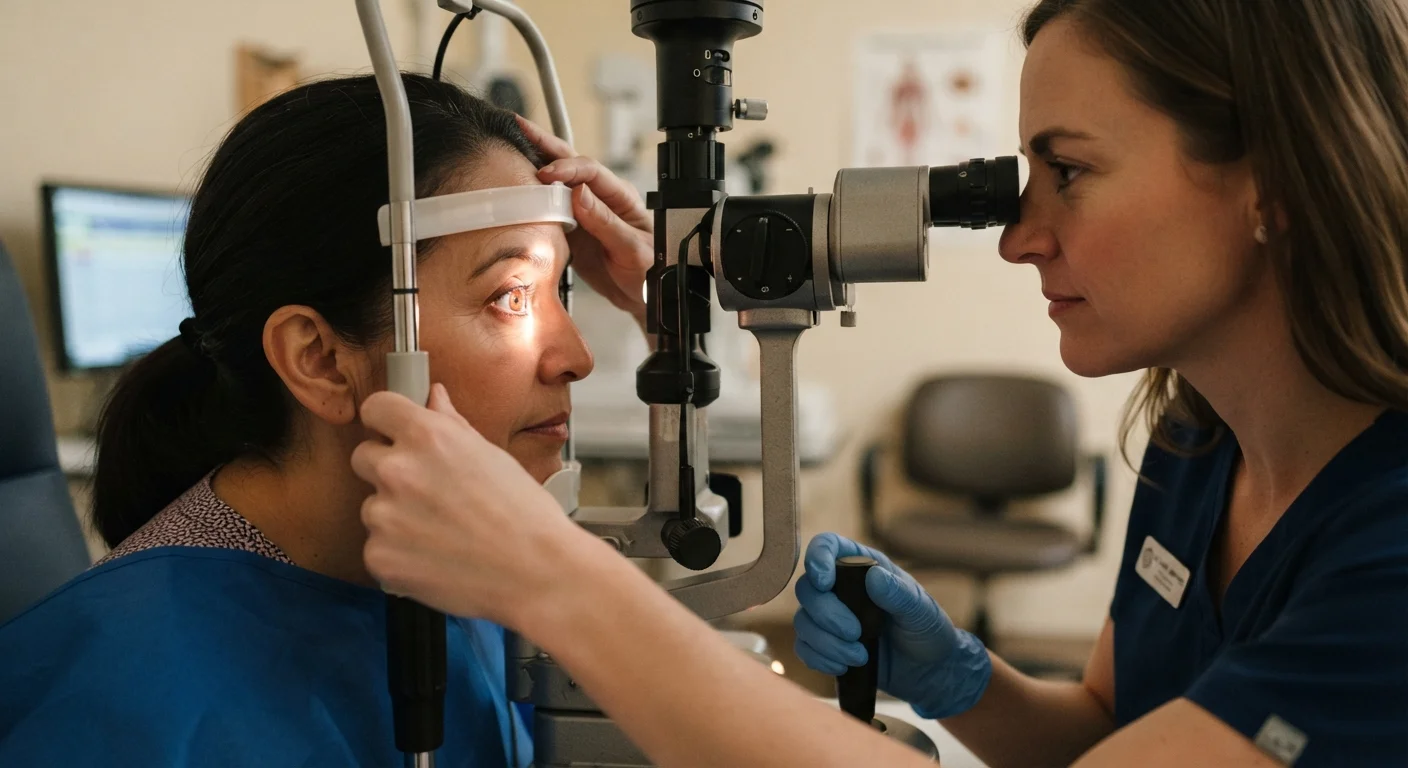
Photo: HerbHealWellness.com | Modern Guide To Wellness editorial
Key Takeaways
- Glaucoma often causes no pain or noticeable symptoms until substantial, irreversible vision loss has occurred.
- Peripheral (side) vision is usually affected first, making early self-detection nearly impossible without testing.
- Elevated eye pressure, age over 60, a family history of glaucoma, and certain medical conditions raise your risk.
- Regular comprehensive eye exams are the only reliable method to detect glaucoma in its early stages.
- Treatment can slow or halt progression but cannot restore vision already lost to optic nerve damage.
- Acute angle-closure glaucoma is a medical emergency — sudden eye pain and visual disturbance require immediate care.
Why Glaucoma Is Called the 'Silent Thief of Sight'
Glaucoma earns its reputation as a silent condition because, in its most prevalent form, it produces no pain and no dramatic visual symptoms in the early stages. The optic nerve — a bundle of over one million nerve fibers transmitting visual information from the eye to the brain — sustains damage gradually and without warning. The brain compensates remarkably well for early peripheral vision loss, meaning many people do not notice anything is wrong until the disease has progressed substantially.
This is fundamentally different from conditions like a corneal scratch or conjunctivitis, where discomfort signals that something needs attention. With open-angle glaucoma, the most common type, there is simply nothing to feel. As our related coverage explains, several serious eye conditions share this trait — advancing without the warning signals people expect.
Understanding this mechanism is the first step toward acting on it. Because symptoms arrive late, prevention-oriented behavior — specifically, regular eye examinations — becomes the primary tool available to most people.
Risk Factors You Should Know
While anyone can develop glaucoma, certain characteristics place individuals at meaningfully higher risk. Recognising these factors helps you and your eye care provider make informed decisions about screening frequency.
3 million+
Americans estimated to have glaucoma
According to the Glaucoma Research Foundation, approximately half of those affected are unaware they have the condition.
~50%
People with glaucoma who don't know they have it
The CDC estimates that roughly half of glaucoma cases in the United States remain undiagnosed, underscoring the importance of routine screening.
6x
Increased risk with a family history of glaucoma
The American Academy of Ophthalmology notes that first-degree relatives of people with glaucoma face a significantly elevated lifetime risk.
- Age: Risk increases significantly after age 60. African Americans face elevated risk starting around age 40.
- Family history: Having a parent or sibling with glaucoma substantially raises your likelihood of developing it.
- Elevated intraocular pressure (IOP): Higher-than-normal pressure inside the eye is the most widely recognized modifiable risk factor.
- Certain medical conditions: Diabetes, high blood pressure, and sickle cell anemia have associations with increased glaucoma risk.
- High myopia (nearsightedness): Severely nearsighted individuals face a higher risk for some types of glaucoma.
- Long-term corticosteroid use: Prolonged use of steroid medications — particularly eye drops — may elevate IOP in susceptible individuals.
If several of these apply to you, discuss a proactive screening schedule with an ophthalmologist or optometrist. This is also relevant context for anyone following our broader guide on protecting eye health as you age.
The Signs That Can Appear — and When to Act Immediately
In primary open-angle glaucoma, noticeable symptoms are typically absent until the disease is moderately advanced. When peripheral vision loss does become self-evident — objects disappearing from the edges of vision, difficulty seeing in low light, or a narrowing tunnel-like visual field — it usually reflects substantial optic nerve damage.
However, one form of glaucoma does produce unmistakable, urgent symptoms: acute angle-closure glaucoma. In this less common but serious variant, intraocular pressure rises suddenly and severely. Symptoms include:
- Sudden, severe eye pain
- Headache, nausea, or vomiting
- Halos or rainbow-colored rings around lights
- Rapid onset of blurred vision
- Eye redness
These symptoms constitute a medical emergency. Anyone experiencing them should seek immediate evaluation — do not wait for a routine appointment. Our editorial team has outlined which symptoms between exams require urgent attention for broader guidance on when to act quickly.
When to Seek Emergency Eye Care
How Glaucoma Is Detected and Why Exams Matter
No at-home test reliably detects glaucoma. A comprehensive eye examination by a qualified professional is the only effective screening method. During this exam, your provider may:
- Measure intraocular pressure (tonometry)
- Examine the optic nerve's appearance directly or via imaging
- Test your peripheral visual field (perimetry)
- Assess the drainage angle of your eye (gonioscopy)
- Measure corneal thickness, which affects pressure readings
Not every exam includes all of these tests by default — if you have risk factors, ask specifically about glaucoma screening components. As detailed in our coverage of the risks of delaying eye exams, postponing routine care allows conditions like glaucoma to progress unchecked to stages where treatment options are more limited.
Glaucoma differs from age-related macular degeneration — another optic condition with a silent early phase — in the structures it damages and the pattern of vision loss. Our complete overview of AMD provides useful context for understanding that distinction.
“The greatest challenge with glaucoma is that patients feel fine — there is no pain, no dramatic event. By the time vision changes are obvious to the patient, we have often already lost a significant portion of optic nerve function that we cannot recover.”
— American Academy of Ophthalmology, Professional society representing board-certified ophthalmologists in the United States
This article is for general informational purposes only and does not constitute medical advice. Consult a qualified eye care professional for evaluation, diagnosis, or treatment guidance specific to your situation.
Frequently Asked Questions
The content on this site is for informational purposes only and is not a substitute for professional advice. Always consult a qualified professional for guidance specific to your situation.