
Vital Signs 101: The Key Metrics Monitoring Devices Are Built to Track

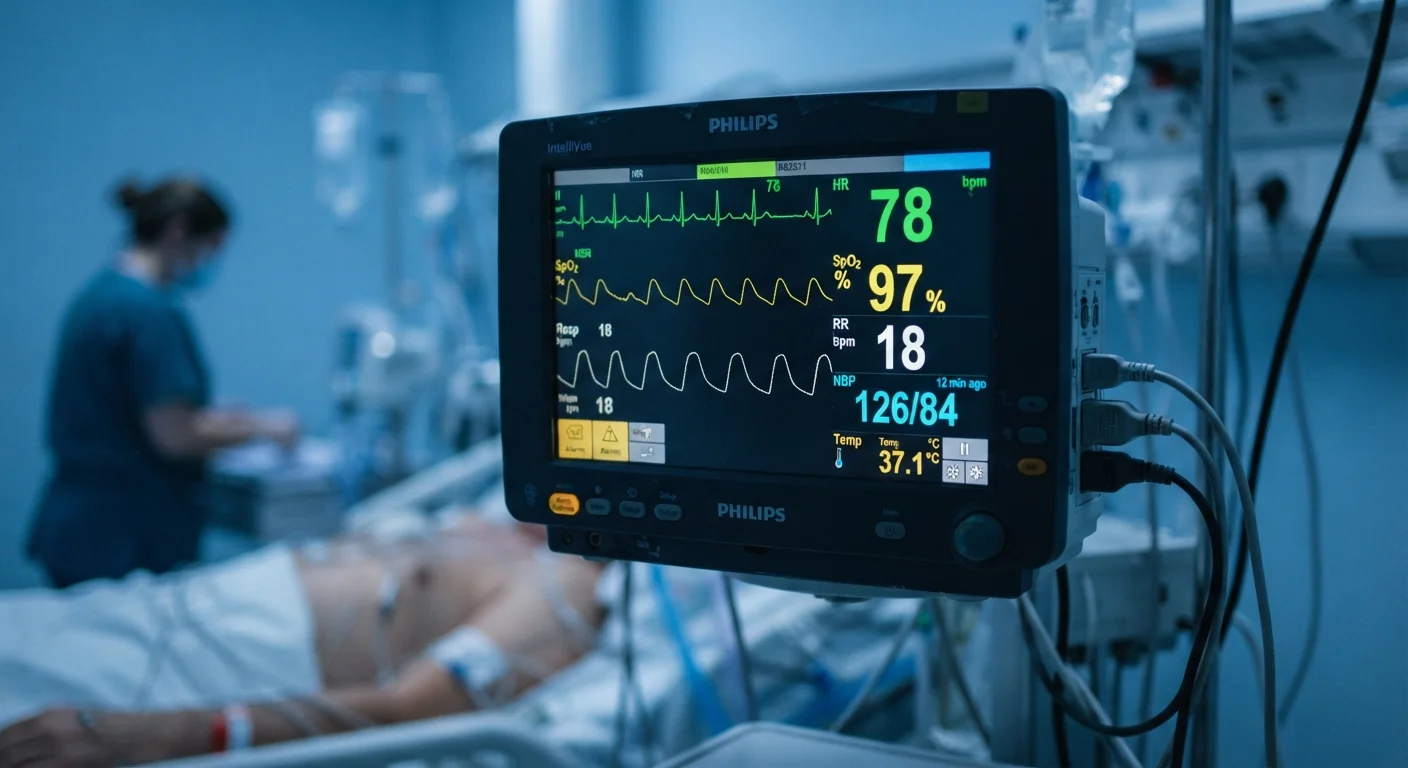
Photo: HerbHealWellness.com | Modern Guide To Wellness editorial
Key Takeaways
- Five core vital signs — heart rate, blood pressure, oxygen saturation, temperature, and respiratory rate — form the foundation of health monitoring.
- Each vital sign reflects a different physiological system and tells clinicians something distinct about how the body is functioning.
- Home monitoring devices are calibrated to measure these same signals, making self-tracking more accessible than ever.
- No single vital sign tells the whole story — patterns and combinations matter more than individual readings.
- Readings outside normal ranges should always be discussed with a qualified healthcare professional.
What Are Vital Signs?
Vital signs are a set of measurable physiological indicators that reflect the basic functions keeping the body alive. Clinicians have long relied on these markers to rapidly assess a patient's condition — and the same logic drives the design of every monitoring device, from hospital-grade equipment to consumer wearables.
Understanding what each vital sign represents — and why devices are engineered to track it — helps you interpret readings more meaningfully. This guide covers the five primary metrics: heart rate, blood pressure, oxygen saturation, body temperature, and respiratory rate.
Vital signs
A set of core physiological measurements — heart rate, blood pressure, oxygen saturation, temperature, and respiratory rate — used to assess the body's basic functioning.
Systolic pressure
The top number in a blood pressure reading; it represents the pressure in the arteries at the moment the heart contracts and pumps blood.
Diastolic pressure
The bottom number in a blood pressure reading; it measures arterial pressure between heartbeats, when the heart is at rest.
SpO2
Shorthand for peripheral oxygen saturation — the percentage of hemoglobin in the blood that is bound to oxygen, measured non-invasively by a pulse oximeter.
Hemoglobin
A protein in red blood cells responsible for carrying oxygen from the lungs to the rest of the body and returning carbon dioxide back to the lungs.
Respiratory rate
The number of breaths a person takes per minute; an early-warning indicator that can signal respiratory distress or systemic illness before other signs appear.
For a broader look at the devices built around these metrics, see our field guide to home health monitoring devices.
Heart Rate
Heart rate is the number of times the heart beats per minute (bpm). It reflects cardiac output and the efficiency with which your circulatory system delivers oxygenated blood to tissues. The American Heart Association identifies 60–100 bpm as the typical resting range for adults, though individual baseline varies with fitness level, age, medications, and stress.
Devices that measure heart rate — including chest-strap monitors, fingertip pulse oximeters, and smartwatch optical sensors — detect either the electrical signal triggering each heartbeat or the pulse wave it creates in blood vessels. Beyond raw rate, some devices also flag irregular rhythm patterns, which can be an early indicator of conditions such as atrial fibrillation. For a detailed look at electrical cardiac monitoring, see our guide on what an ECG measures and how to read it.
Measure heart rate under consistent conditions
Blood Pressure
Blood pressure measures the force blood exerts against artery walls, recorded as two values in millimeters of mercury (mmHg). The systolic number (top) captures peak pressure during a heartbeat; the diastolic number (bottom) reflects pressure between beats. Guidelines from the American Heart Association categorize readings below 120/80 mmHg as normal for most adults, though context — time of day, stress, recent activity — always affects any single reading.
Automated sphygmomanometers, the standard home blood pressure cuffs, inflate a cuff to restrict arterial flow and then detect pressure oscillations as the cuff deflates. Consistent technique is essential: seated position, arm supported at heart level, no caffeine or exercise within 30 minutes. Our article on understanding blood pressure monitor numbers explains how to decode exactly what the device is reporting.
White-coat and masked hypertension are real
Oxygen Saturation
Oxygen saturation, expressed as SpO2, is the percentage of hemoglobin molecules in the blood that are carrying oxygen. For healthy adults at sea level, SpO2 typically falls between 95% and 100%. Values below 90% are generally considered clinically significant and warrant prompt medical evaluation.
Pulse oximeters use a non-invasive optical method: two wavelengths of light (red and infrared) pass through a fingertip or earlobe. Oxygenated and deoxygenated hemoglobin absorb these wavelengths differently, allowing the device to calculate saturation. Nail polish, poor circulation, and motion can affect accuracy. Pulse oximeters became widely familiar during the COVID-19 pandemic, but they remain standard tools for anyone monitoring respiratory or cardiac conditions at home.
Body Temperature and Respiratory Rate
Body temperature reflects the balance between heat produced by metabolism and heat lost to the environment. The long-cited oral average of 98.6°F (37°C) represents a population mean, not a universal normal — research has shown individual baselines vary, and average body temperature has shifted slightly downward in modern populations over time. A fever is generally defined as a temperature at or above 100.4°F (38°C).
Thermometers vary in measurement site: oral, tympanic (ear), temporal artery (forehead), axillary (underarm), and rectal. Rectal measurement is generally the most accurate for young children, while temporal artery devices offer speed and convenience for general adult use. Monitoring age-specific considerations is explored further in our article on how monitoring needs change across the lifespan.
Respiratory rate — the number of breaths taken per minute — is the least commonly self-monitored vital sign but one of the most sensitive early indicators of deterioration. A normal adult rate at rest is approximately 12–20 breaths per minute. Advanced wearables and hospital monitors increasingly incorporate respiratory rate tracking through chest impedance or motion sensors.
Putting It All Together
No single vital sign tells the complete story. Heart rate rises during illness, exercise, or anxiety. Blood pressure fluctuates throughout the day. SpO2 may dip transiently. Clinicians and well-designed monitoring devices evaluate these metrics in combination, looking for patterns rather than isolated readings.
If you're building a home monitoring routine, consistency matters as much as the readings themselves. Our guide on setting up a home health monitoring routine covers how to log, time, and share your data effectively. For those interested in how these numbers intersect with broader screening results, see decoding the key numbers men are tested for. Unusual symptoms or consistently abnormal readings should always prompt a conversation with a qualified healthcare provider — monitoring devices inform; they do not diagnose.
American Heart Association – Understanding Blood Pressure Readings
The AHA provides a clear, publicly accessible breakdown of blood pressure categories and what each range means for cardiovascular health — a reliable reference for anyone interpreting home monitor results.
CDC – Measuring Vital Signs
The Centers for Disease Control and Prevention offers educational resources on how vital signs are used in clinical and public health contexts, useful for understanding the broader significance of these metrics.
This article is for informational purposes only and is not a substitute for professional medical advice, diagnosis, or treatment. Always consult a qualified healthcare provider with questions about your health or any readings from monitoring devices.
Frequently Asked Questions
The content on this site is for informational purposes only and is not a substitute for professional advice. Always consult a qualified professional for guidance specific to your situation.