
Biofeedback Devices: Training the Body by Reading Its Own Signals

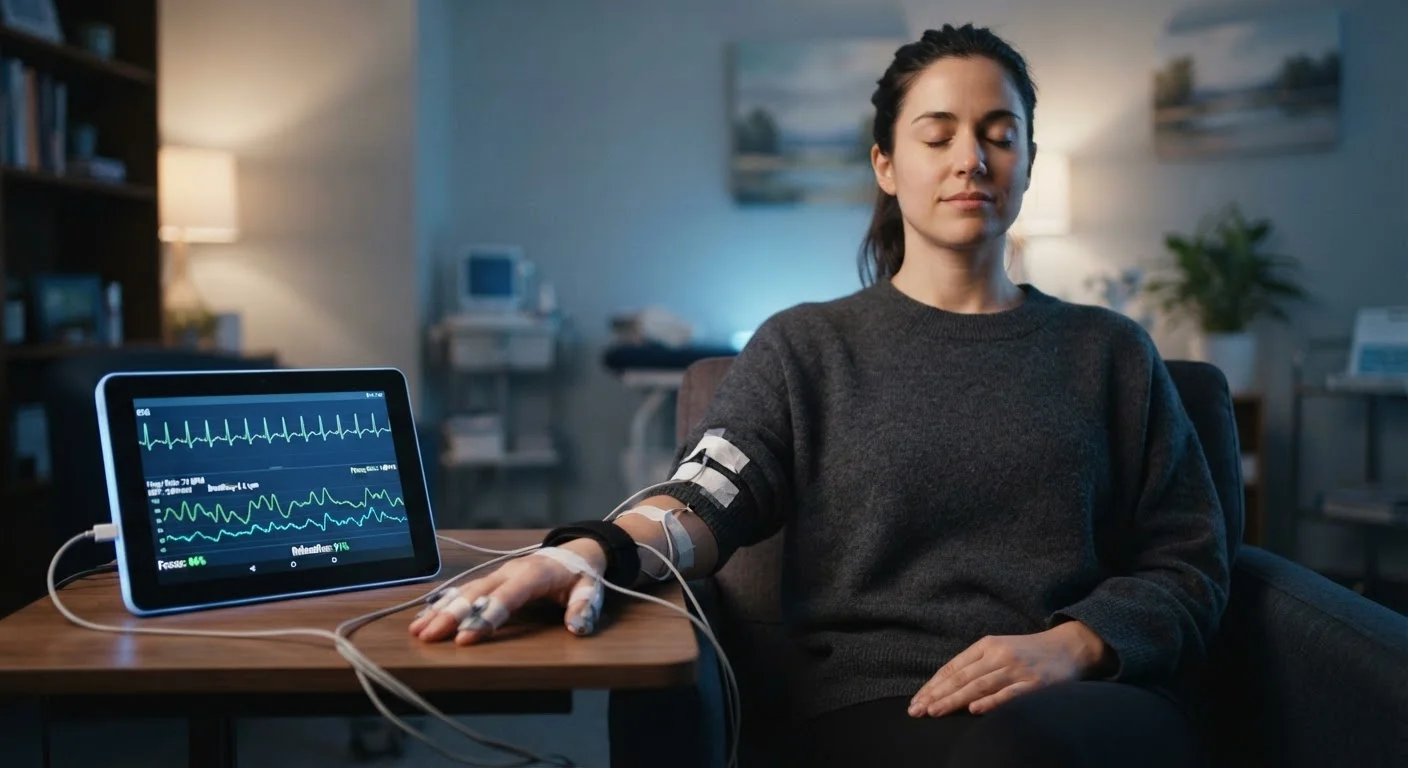
Photo: HerbHealWellness.com | Modern Guide To Wellness editorial
Key Takeaways
- Biofeedback devices measure real physiological signals and display them as actionable feedback in real time.
- Common modalities include EMG (muscle tension), heart rate variability, skin conductance, and thermal feedback.
- The goal is to train self-regulation skills that persist even after the device is removed.
- Biofeedback is used clinically for conditions like chronic pain, anxiety, and pelvic floor disorders.
- Always work with a qualified healthcare provider to determine whether biofeedback is appropriate for your situation.
How Biofeedback Devices Work
A biofeedback device is built around a simple feedback loop: measure, display, respond, and repeat. Sensors attached to the skin or body detect a specific physiological signal — electrical activity in a muscle, the interval between heartbeats, electrical conductance of the skin, or surface temperature. That raw signal is amplified, processed, and translated into a format the patient can perceive: a moving line on a screen, a changing tone, a number, or even a game element that responds to their internal state.
The patient then attempts to shift the display — slow a rising tone, move a cursor, or calm a fluctuating graph — using mental and physical self-regulation strategies such as controlled breathing, progressive relaxation, or focused attention. Over time, repeated sessions build the skill of voluntary control over what were previously automatic processes. The device is the training tool; the skill ultimately belongs to the patient.
Unlike home monitoring devices that simply record data for review, biofeedback devices are designed to change behavior in the moment of measurement. Understanding this distinction is key to appreciating why biofeedback is classified as a therapeutic modality rather than a diagnostic one. See also our overview of therapeutic devices for broader context on how this category of equipment functions.
Common Types of Biofeedback Modalities
Different physiological signals require different sensor types, and clinicians select a modality based on the condition being addressed:
- Electromyography (EMG): Surface electrodes measure electrical activity in muscles. Used for tension headaches, chronic pain, and rehabilitation after injury.
- Heart Rate Variability (HRV): Sensors — often a finger clip or chest strap — measure the variation in time between heartbeats. HRV biofeedback is used for stress, anxiety, and cardiovascular conditions. It relates directly to the vital signs clinicians routinely track.
- Thermal (Temperature) Feedback: A thermistor on a fingertip detects skin temperature, which reflects blood flow. Used for Raynaud's disease and migraine management.
- Electrodermal Activity (EDA): Measures subtle changes in skin electrical conductance driven by sweat gland activity — a marker of autonomic arousal useful in anxiety training.
- Electroencephalography (EEG / Neurofeedback): Electrode caps detect brainwave patterns. Applied in research and clinical settings for attention and anxiety disorders.
- Pelvic Floor EMG: Specialized internal or external sensors detect pelvic floor muscle activity, used for urinary incontinence and pelvic pain rehabilitation.
70%+
Headache reduction in EMG biofeedback studies
Multiple clinical reviews have reported meaningful reductions in tension headache frequency with EMG biofeedback training compared to control conditions.
~50
Years biofeedback has been in clinical use
Biofeedback as a formalized therapeutic technique emerged in the late 1960s and has been studied and refined across decades of clinical research.
6–10
Typical sessions in a clinical biofeedback program
Most structured biofeedback protocols involve between six and ten guided sessions, though this varies by condition and individual response.
What Biofeedback Is — and Isn't
Biofeedback is sometimes conflated with wearable consumer technology, but the distinction matters clinically. Devices like smartwatches can collect heart rate data continuously, but they are primarily designed for monitoring and logging. Biofeedback devices are structured around active training sessions with specific therapeutic targets. For a deeper look at how wearable sensors fit the diagnostic landscape, see wearable diagnostic sensors.
Biofeedback also should not be confused with electrical stimulation therapies — it reads signals from the body but does not send electrical current into it. The technique works through learning, not through direct physiological alteration by the device itself.
“Biofeedback gives patients a window into physiological processes they never knew they could influence. The technology doesn't do the work — it makes the invisible visible so the person can.”
— Association for Applied Psychophysiology and Biofeedback, Professional organization representing biofeedback clinicians and researchers
This article is for general informational and educational purposes only and does not constitute medical advice. Consult a qualified healthcare professional before starting any new therapeutic approach or using biofeedback for a medical condition.
Using Biofeedback in Clinical and Home Settings
Biofeedback sessions are most commonly conducted by trained practitioners — physical therapists, psychologists, or licensed biofeedback therapists — who guide the patient through exercises while interpreting the data. The therapist adjusts session goals based on how the patient responds, which distinguishes professional biofeedback from unsupervised device use.
Ask About Credentials Before Starting
Consumer biofeedback devices have expanded the home-use market considerably. HRV breathing trainers and pelvic floor apps with sensor attachments are widely available. Their utility is highest when a practitioner has first established a training protocol and the patient is reinforcing skills learned in clinic. If you are using a home blood pressure monitor alongside biofeedback training for hypertension, accurate readings matter — see how to get accurate home blood pressure readings for guidance on measurement best practices.
Special populations — including those who are pregnant, elderly, or managing complex chronic conditions — should always seek explicit guidance from their care team before using any biofeedback device, even consumer-grade products.
Frequently Asked Questions
The content on this site is for informational purposes only and is not a substitute for professional advice. Always consult a qualified professional for guidance specific to your situation.