
Signs Your Mouth Might Be Flagging a Systemic Problem

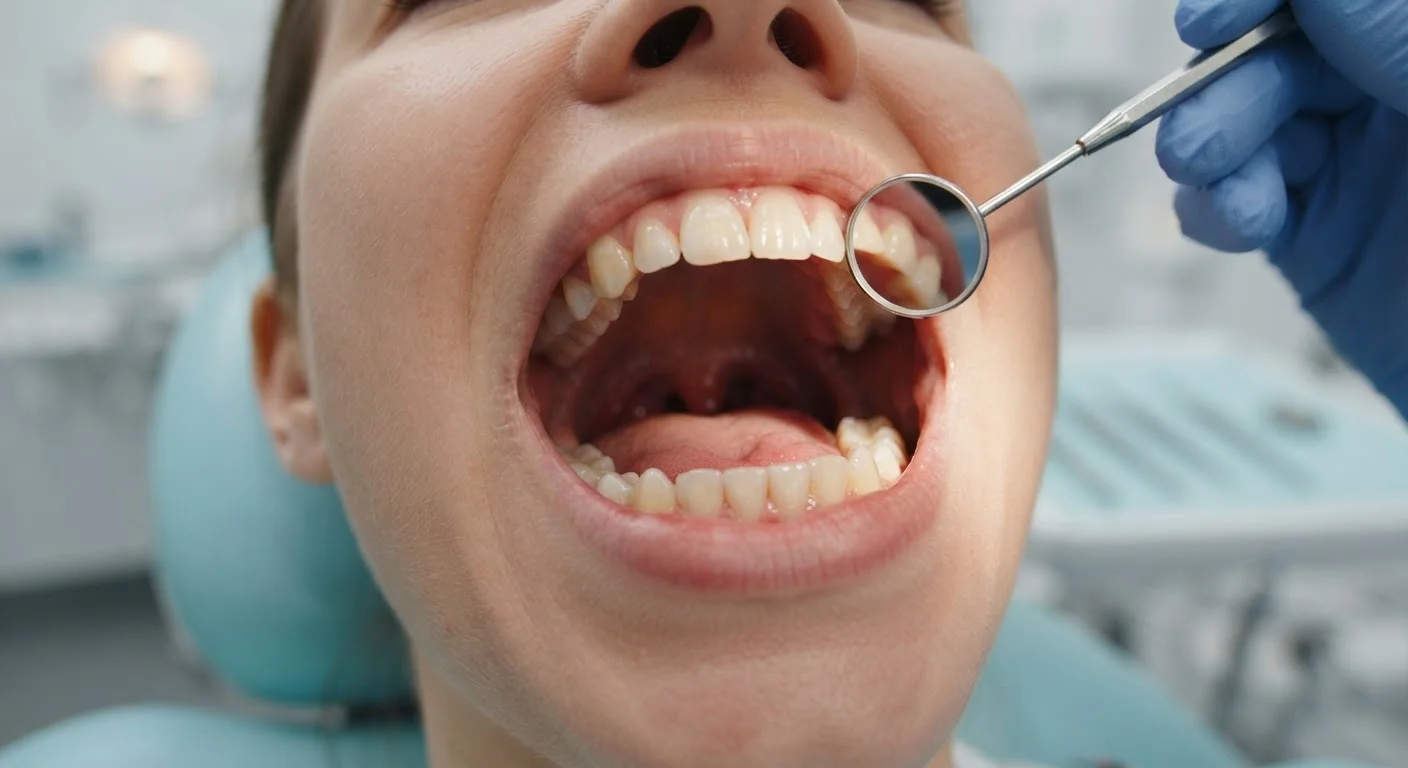
Photo: HerbHealWellness.com | Modern Guide To Wellness editorial
Why the Mouth Is a Window to Whole-Body Health
The mouth is more than the starting point of digestion — it is one of the body's most accessible diagnostic windows. Mucosal tissue, saliva, gum tissue, and even the tongue can reflect the state of immune function, nutritional status, blood chemistry, and hormonal balance. Clinicians in both dentistry and medicine increasingly recognize that certain oral changes are not isolated findings but early indicators of systemic conditions that may not yet be producing obvious symptoms elsewhere.
Understanding which oral signs warrant a second look — and why — can help you make better-informed decisions about when to seek professional evaluation. This article functions as a reference guide to the most clinically significant mouth-to-body connections currently supported by evidence.
For a broader overview of how dentists may detect systemic conditions before other clinicians do, see what your dentist can detect before your doctor does.
Key Oral Signs and What They May Indicate
Not every sore or patch signals a serious problem, but certain patterns, locations, and persistence levels are worth discussing with a clinician. The following are among the most clinically recognized oral signs associated with systemic conditions.
Persistent Mouth Ulcers
Occasional canker sores (aphthous ulcers) are common and usually resolve within two weeks. Ulcers that recur frequently, appear in clusters, or persist beyond three weeks may be associated with inflammatory bowel disease, celiac disease, Behçet's syndrome, or nutritional deficiencies — particularly in iron, folate, or vitamin B12. Signs of low iron can show up in the mouth before they appear elsewhere.
Bleeding or Severely Inflamed Gums
While gingivitis caused by plaque is the most common reason gums bleed, persistent or unprovoked gum bleeding can also reflect clotting disorders, leukemia, or poorly controlled diabetes. Gum changes deserve attention and should not be dismissed as purely a hygiene issue when they don't respond to improved home care.
White or Red Patches
Leukoplakia (white patches) and erythroplakia (red patches) that cannot be wiped away or explained by recent trauma are considered potentially premalignant lesions and require prompt professional assessment. White patches that can be wiped off may point to oral thrush — a fungal infection often linked to immune suppression, antibiotic use, or uncontrolled diabetes. Learn how to distinguish these in our article on oral thrush and white patches.
Dry Mouth (Xerostomia)
Saliva is critical for neutralizing acids and controlling oral bacteria. Chronic dry mouth frequently results from medication use, autoimmune conditions such as Sjögren's syndrome, or radiation therapy to the head and neck. Dry mouth and its systemic connections are more significant than many patients realize.
Gum Recession or Unusual Bone Loss
Advanced, rapidly progressing periodontitis — especially in younger patients or those with otherwise good hygiene — may indicate undiagnosed diabetes, osteoporosis, or HIV infection. The association between oral bacteria and systemic inflammation is well-documented and bidirectional.
Leukoplakia
A white patch or plaque on the oral mucosa that cannot be rubbed off and cannot be diagnosed as any other condition. It is considered a potentially premalignant lesion and should be evaluated by a clinician.
Erythroplakia
A red, velvety patch on the oral mucosa that cannot be attributed to another cause. It carries a higher risk of malignant change than leukoplakia and requires prompt professional assessment.
Xerostomia
The clinical term for dry mouth — a reduction in saliva production that can increase risk of tooth decay, oral infections, and discomfort. It is frequently a side effect of medications or a symptom of systemic disease.
Aphthous Ulcer
A common, benign, recurrent sore inside the mouth (also called a canker sore). Isolated ulcers typically resolve on their own; frequent or persistent ulcers may warrant investigation.
Periodontitis
A serious gum infection that damages the soft tissue and bone supporting the teeth. It is linked to systemic conditions including diabetes and cardiovascular disease.
Oral Candidiasis (Thrush)
A fungal infection of the mouth caused by Candida species, presenting as white, removable patches. It can signal immune suppression, uncontrolled diabetes, or recent antibiotic use.
When to Act and Who to See
A general rule supported by clinical guidelines: any oral change that persists for more than two to three weeks without an obvious cause deserves professional evaluation. This applies to ulcers, patches, swelling, or unexplained changes in taste or saliva production.
Your dentist is often the right first point of contact — particularly for lesions, gum changes, and structural abnormalities. Depending on findings, a referral to a physician, oral medicine specialist, or other clinician may follow. Because systemic conditions can show up in your mouth first, coordinated care between dental and medical providers leads to better outcomes.
Readers managing chronic illness should also be aware that conditions like diabetes and rheumatoid arthritis can complicate dental care and vice versa. See keeping your mouth healthy when you have a chronic illness for evidence-informed guidance.
Oral Signs in Special Populations
This article is for general informational purposes only and does not constitute medical or dental advice. Always consult a qualified healthcare professional about any symptoms or concerns specific to your health.
The content on this site is for informational purposes only and is not a substitute for professional advice. Always consult a qualified professional for guidance specific to your situation.